
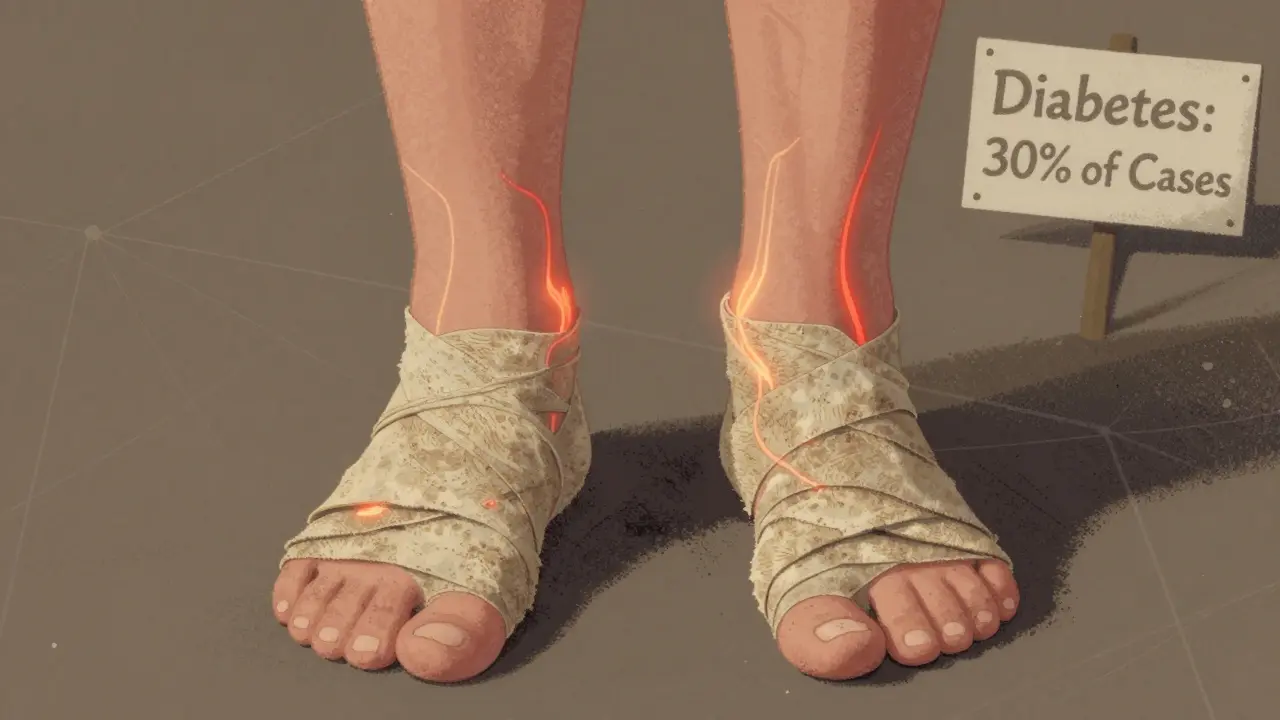
Peripheral neuropathy affects over 20 million Americans, often from diabetes or vitamin deficiencies. Learn the real causes, what treatments actually work, and how to manage pain without opioids.
View More
Glaucoma surgery options like trabeculectomy and MIGS help lower eye pressure to prevent vision loss. Learn how they compare in effectiveness, safety, recovery, and when each is recommended.
View More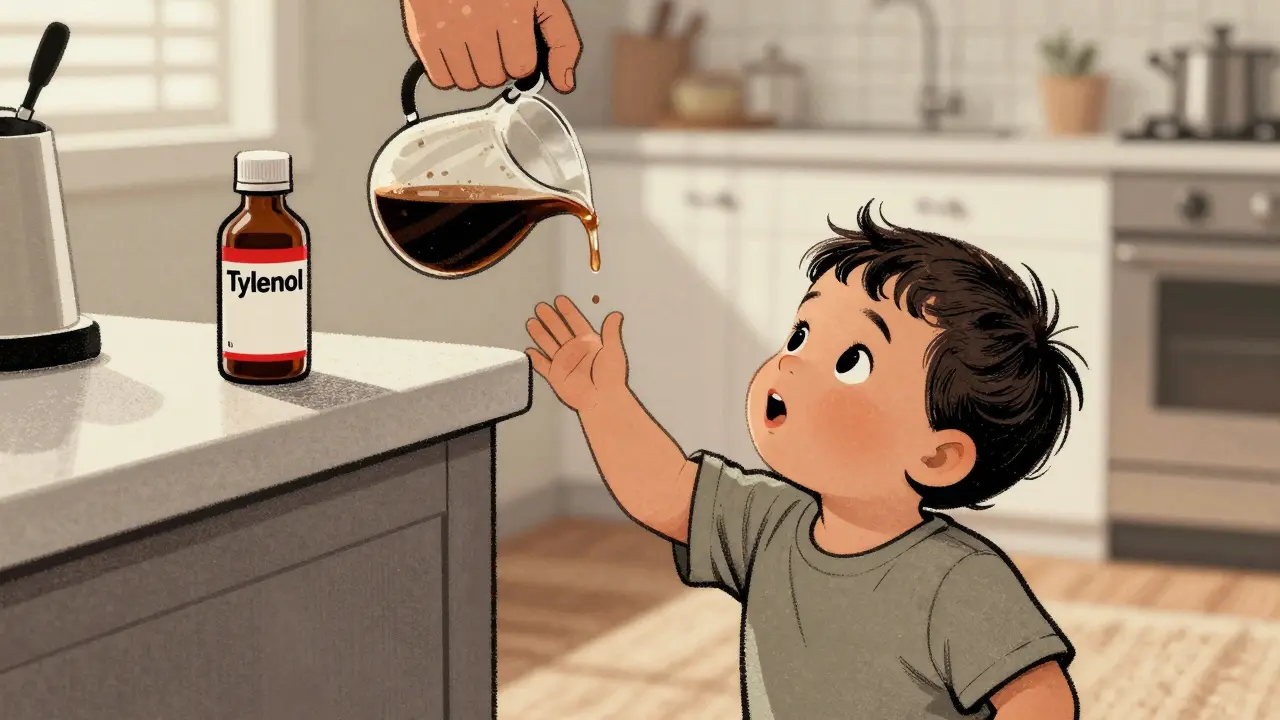
Accidental medicine poisoning in kids is more common than you think-and often happens when parents are nearby. Learn the top risks, storage mistakes, and proven steps to lock it down for good.
View More
Clinician communication is the most powerful factor in shaping whether patients accept generic medications. Clear, confident explanations about bioequivalence and safety can reduce skepticism, prevent nocebo effects, and improve adherence-turning cost savings into real health outcomes.
View More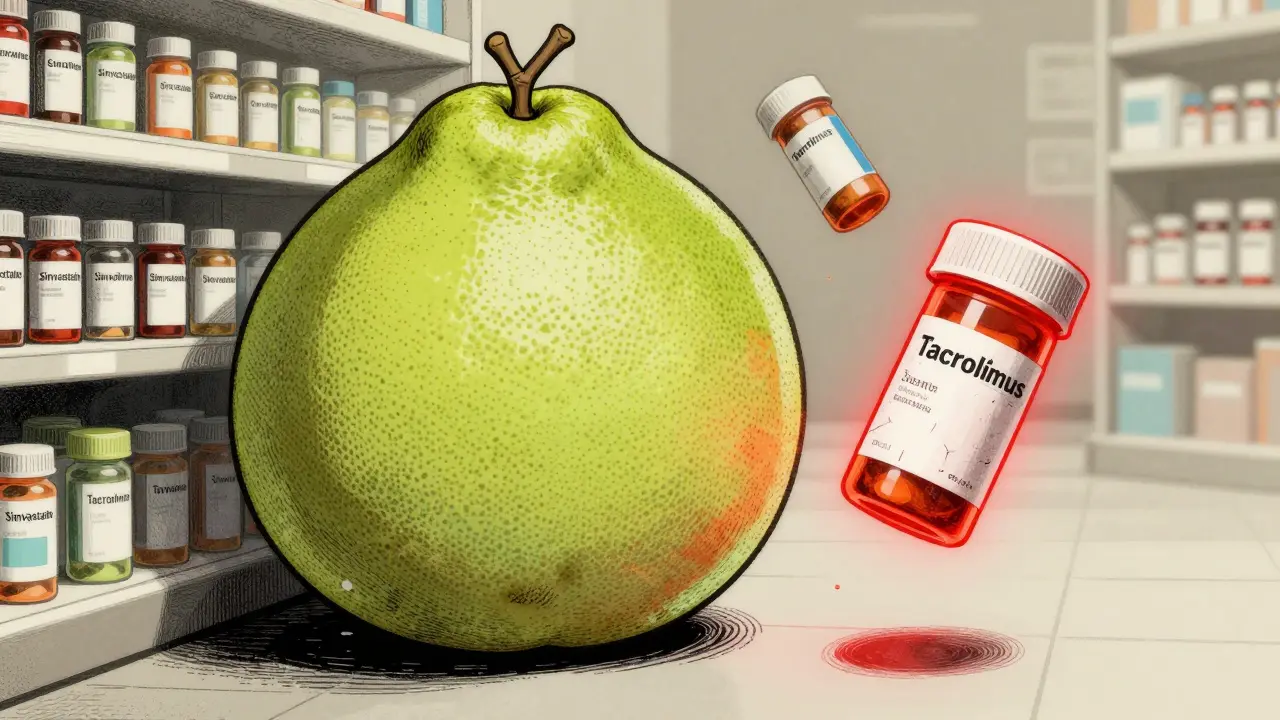
Pomelo and Seville orange can be just as dangerous as grapefruit when taken with medications, often causing stronger drug interactions. Many people don't realize these fruits contain the same harmful compounds - and aren't warned about the risks.
View More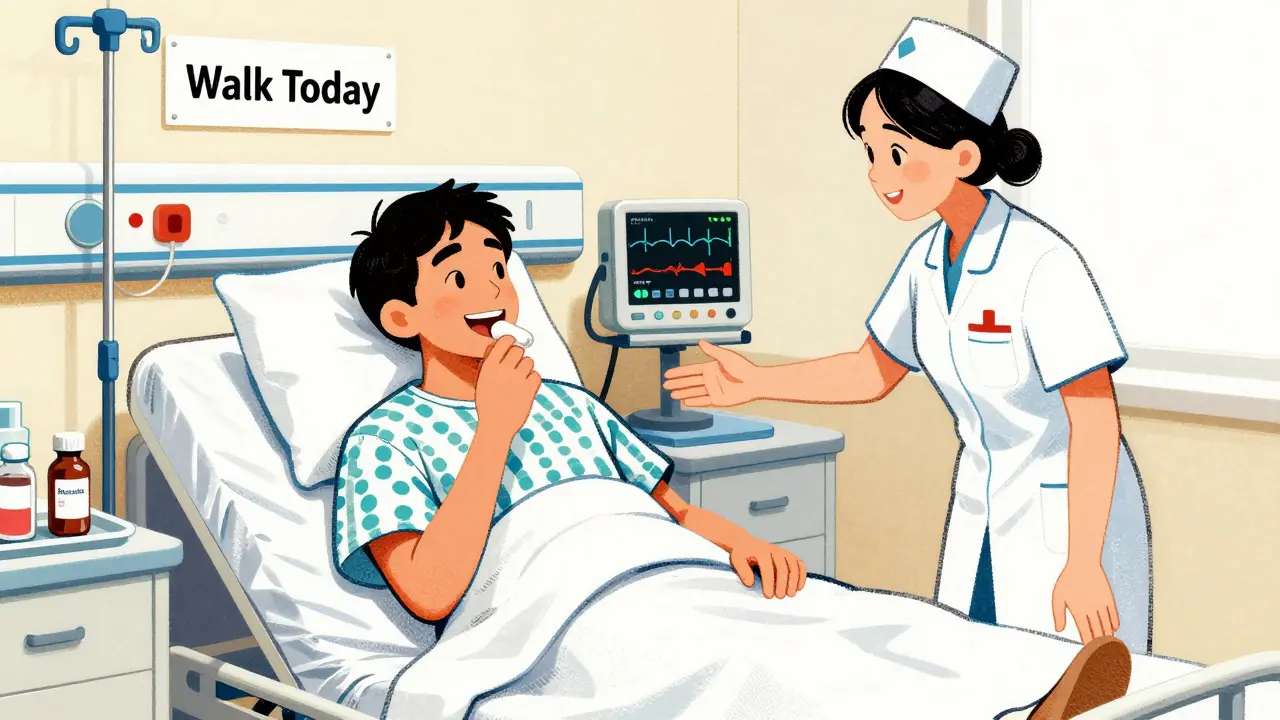
Postoperative ileus delays recovery after surgery, often caused by opioid painkillers. Learn how to prevent it with low opioid use, early movement, chewing gum, and multimodal pain control.
View More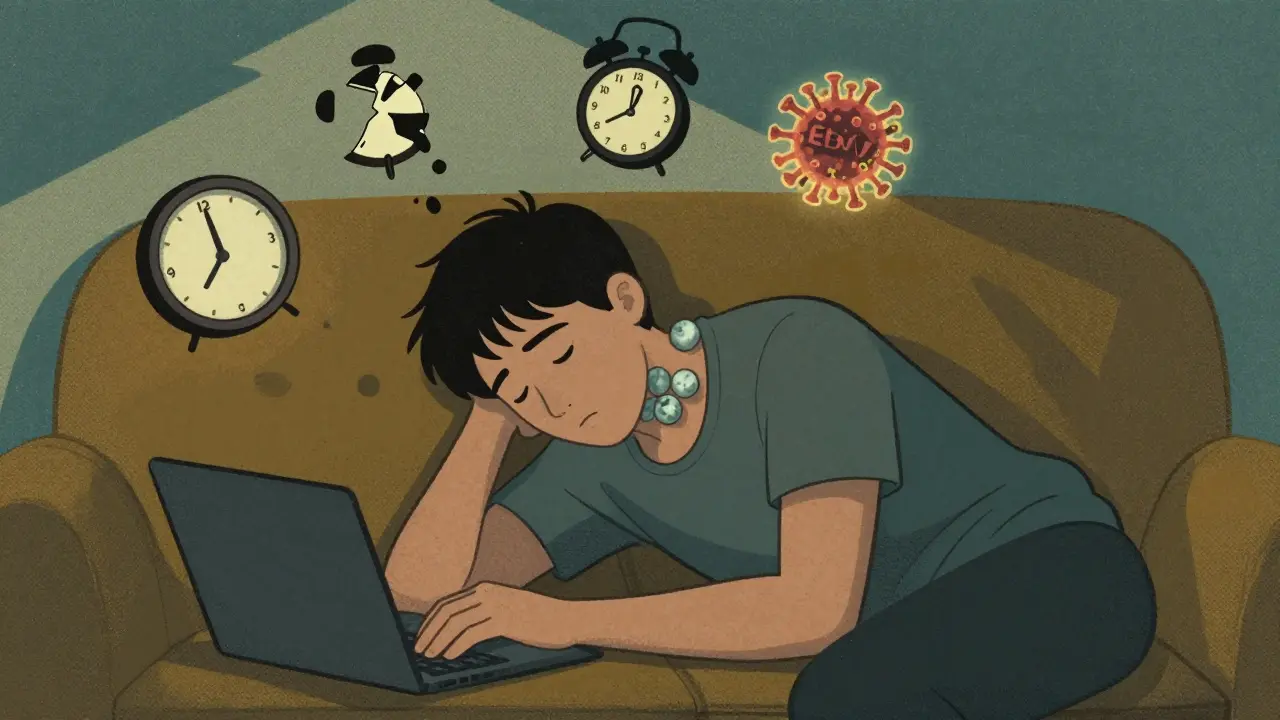
Mononucleosis, caused by the Epstein-Barr virus, leads to severe fatigue and prolonged recovery. Learn how it spreads, why rest is critical, and what actually helps you heal - not just the symptoms.
View More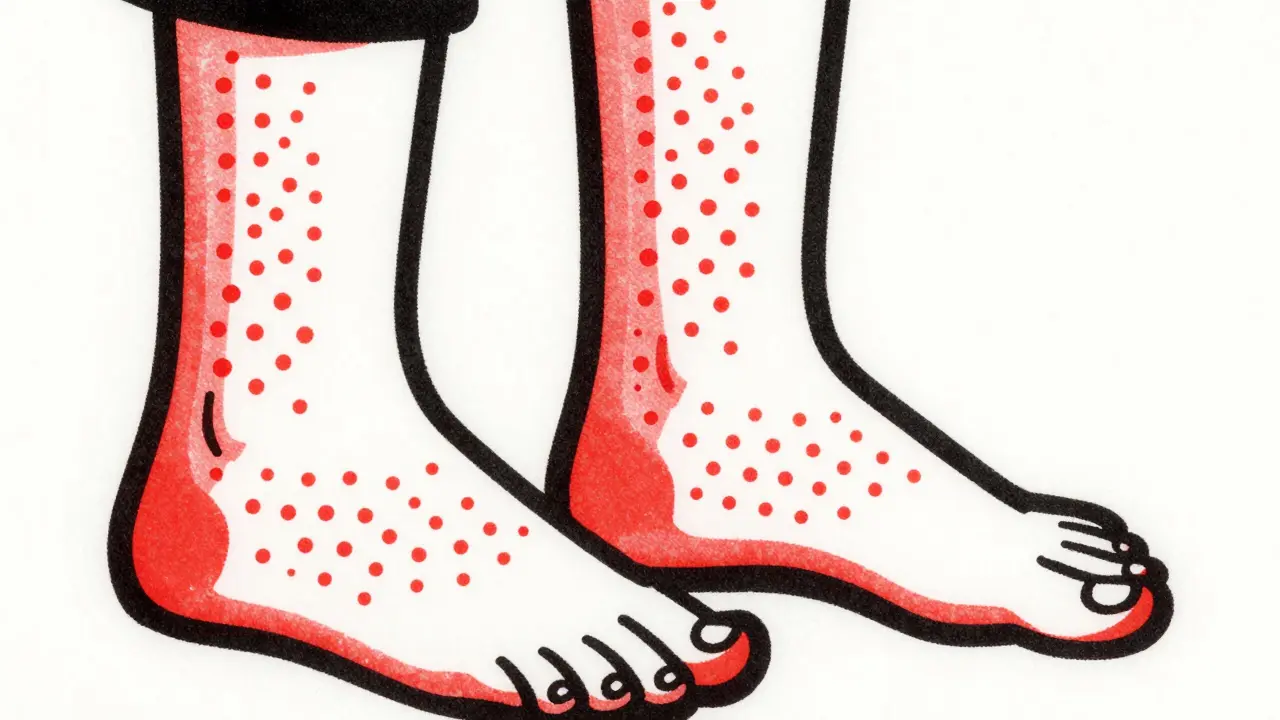
Medication-induced neuropathy causes tingling and numbness. Learn which drugs cause it, early signs to watch for, and how to prevent permanent nerve damage. Early detection is key.
View More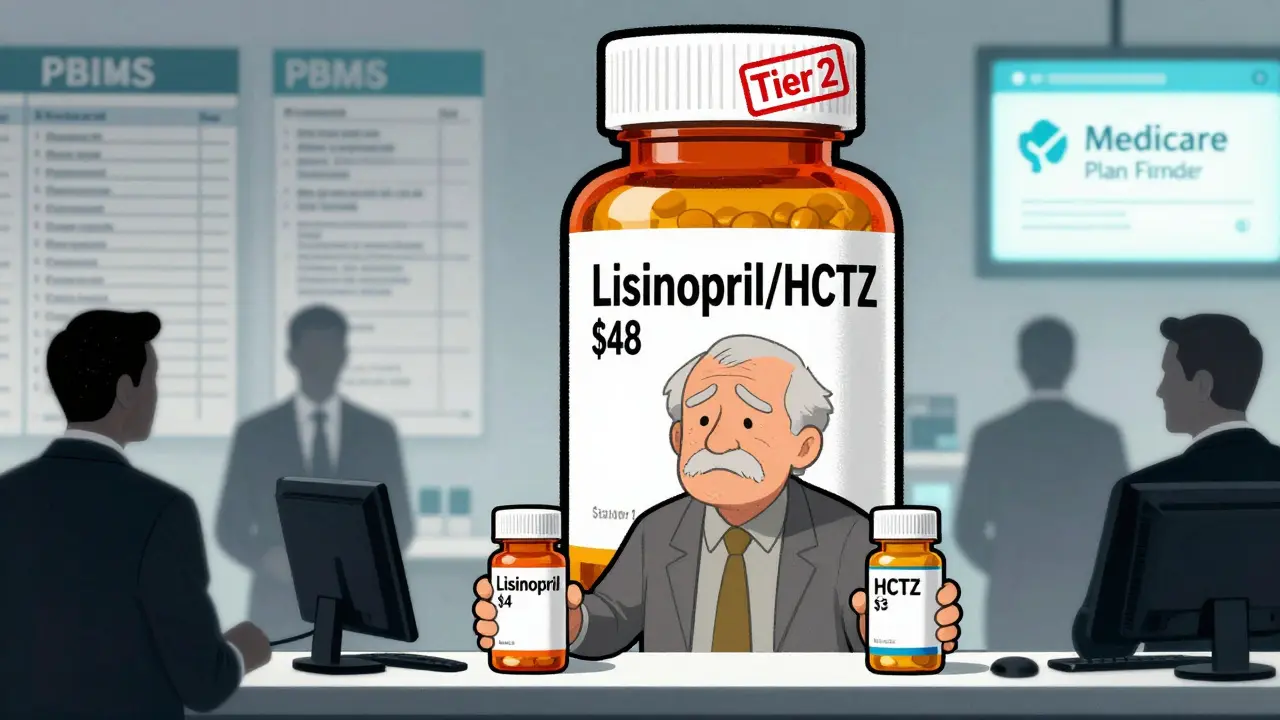
Generic combination drugs can save money-or cost more than two separate generics. Learn how insurance tiers, PBMs, and formulary rules affect what you pay, and what you can do to get the best deal.
View More
Learn about common medication side effects, when they’re normal, and which ones require urgent medical attention. Know what to watch for and how to report reactions to keep yourself and others safe.
View More