
When your body overreacts to something harmless—like peanuts, bee stings, or pollen—you’re experiencing an allergic reaction, an immune system response to a substance it wrongly sees as dangerous. Also known as hypersensitivity reaction, it can be a sneeze or a shutdown—and knowing the difference saves lives. Not all allergic reactions are the same. Some itch. Some swell. Some stop your breathing. And if you mistake a dangerous one for a mild one, you could be in serious trouble.
The go-to fix for many people is an antihistamine, a drug that blocks histamine, the chemical that causes itching, runny nose, and hives. Drugs like Zyrtec or Claritin work fine for seasonal sniffles or a mild rash. But if your throat closes, your tongue swells, or your blood pressure drops, antihistamines won’t cut it. That’s when you need an epinephrine, a fast-acting hormone that reverses airway swelling and stabilizes blood pressure during severe reactions. It’s not a cure—it’s a lifeline. And if you have a history of serious allergies, you should carry it with you, always.
People often delay using epinephrine because they think it’s overkill. But waiting even 10 minutes can make the difference between recovery and death. Studies show that delays in epinephrine use are the top reason people die from anaphylaxis, the most severe, whole-body allergic reaction that can lead to shock and cardiac arrest. It’s not about being dramatic. It’s about acting before your body shuts down.
What triggers these reactions? It’s not just food. Medications like penicillin, latex in gloves, insect venom, and even some supplements can set off a chain reaction. And sometimes, the same person who reacts to peanuts one year might react to shellfish the next. Allergies change. Your treatment plan should too. Regular check-ins with a doctor aren’t optional—they’re essential.
There’s a lot of noise out there about natural remedies, homeopathy, or "detoxing" to cure allergies. None of it works. Allergic reaction treatment isn’t about boosting your immune system—it’s about stopping it from going haywire. The science is clear: epinephrine for emergencies, antihistamines for mild cases, and avoidance as the only real long-term strategy.
Below, you’ll find real-world guides on how to spot hidden triggers, understand why your allergy meds stop working, and what to do when common drugs like antibiotics or NSAIDs make things worse. These aren’t theoretical tips. They’re based on what people actually experience—and what saves lives when seconds count.
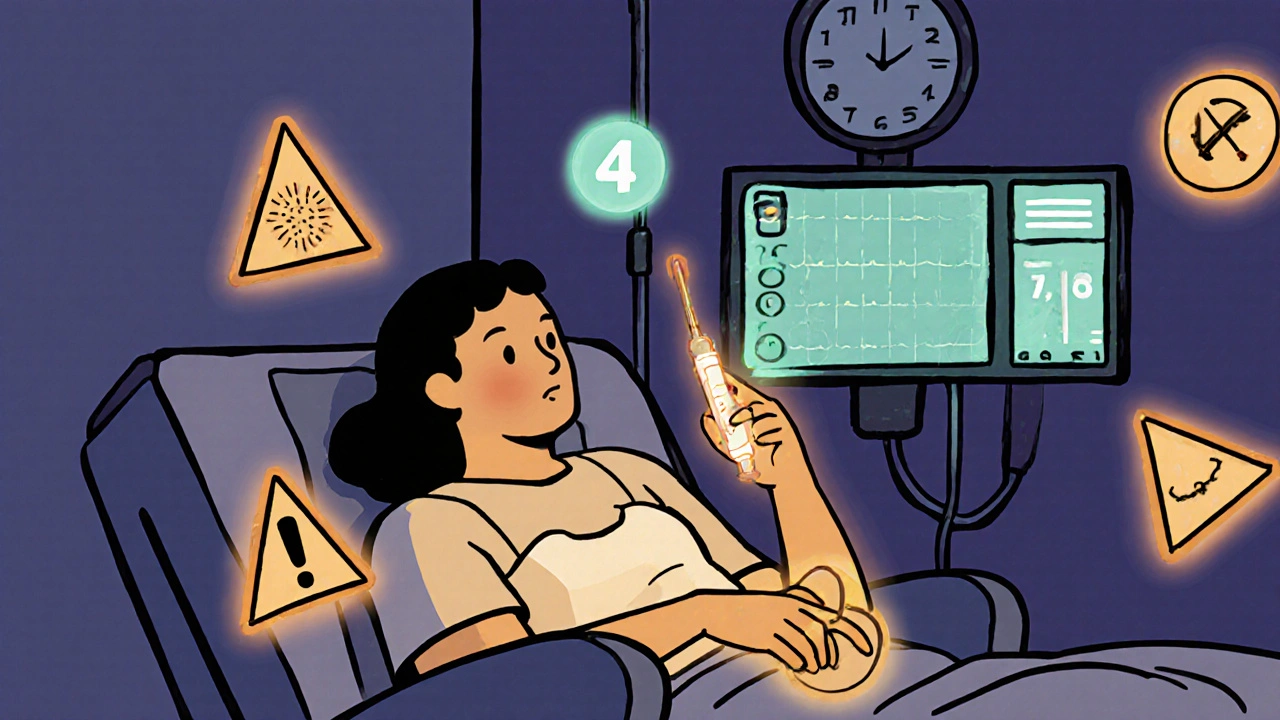
Desensitization protocols allow patients with severe drug allergies to safely receive life-saving medications like antibiotics and chemotherapy. Learn when it’s used, how it works, and why it’s often the only option.
View More