
When you drive a commercial vehicle for a living, your drug use isn’t just a personal choice—it’s regulated by the DOT drug policy, a federal set of rules enforced by the Department of Transportation to ensure safety on U.S. roads. Also known as FMCSA drug testing requirements, this policy applies to anyone operating a commercial motor vehicle that weighs over 10,000 pounds, carries 16 or more passengers, or transports hazardous materials. It’s not optional. It’s not up for debate. If you’re in the industry, you’re subject to it—and if you’re an employer, you’re responsible for enforcing it.
The DOT drug testing, a standardized process that screens for five specific drug classes. Also known as 5-panel drug screen, it checks for marijuana, cocaine, amphetamines (including methamphetamine and MDMA), opioids (like heroin, codeine, morphine, oxycodone), and phencyclidine (PCP). These aren’t random choices. They’re based on real data showing which substances most commonly impair drivers. The FMCSA regulations, the official guidelines that spell out exactly how and when testing must happen require testing before hiring, after accidents, randomly, when there’s reasonable suspicion, and during return-to-duty and follow-up periods. No exceptions. No loopholes. A positive test means immediate removal from safety-sensitive duties—and it follows you in a national database.
Employers don’t get to pick their own testing labs. They must use SAMHSA-certified labs. Drivers can’t just refuse a test—it’s treated the same as a positive result. And if you’re caught trying to cheat? That’s a violation, too. The system is designed to be strict, because one impaired driver can cause dozens of deaths. It’s not about punishment. It’s about keeping everyone else safe on the road.
What you’ll find below is a collection of real, practical guides that connect directly to the DOT drug policy. You’ll see how generic drug approvals, like those under the Hatch-Waxman Act, impact the availability of medications that drivers might be taking. You’ll learn about drug interactions that could trigger false positives or reduce effectiveness. You’ll get clarity on how medications like bupropion or antihistamines might show up in tests—and what to do if they do. There’s no fluff. No theory. Just what matters when you’re behind the wheel and subject to federal rules. These posts help you navigate the gray areas: what’s legal, what’s risky, and what could cost you your job.
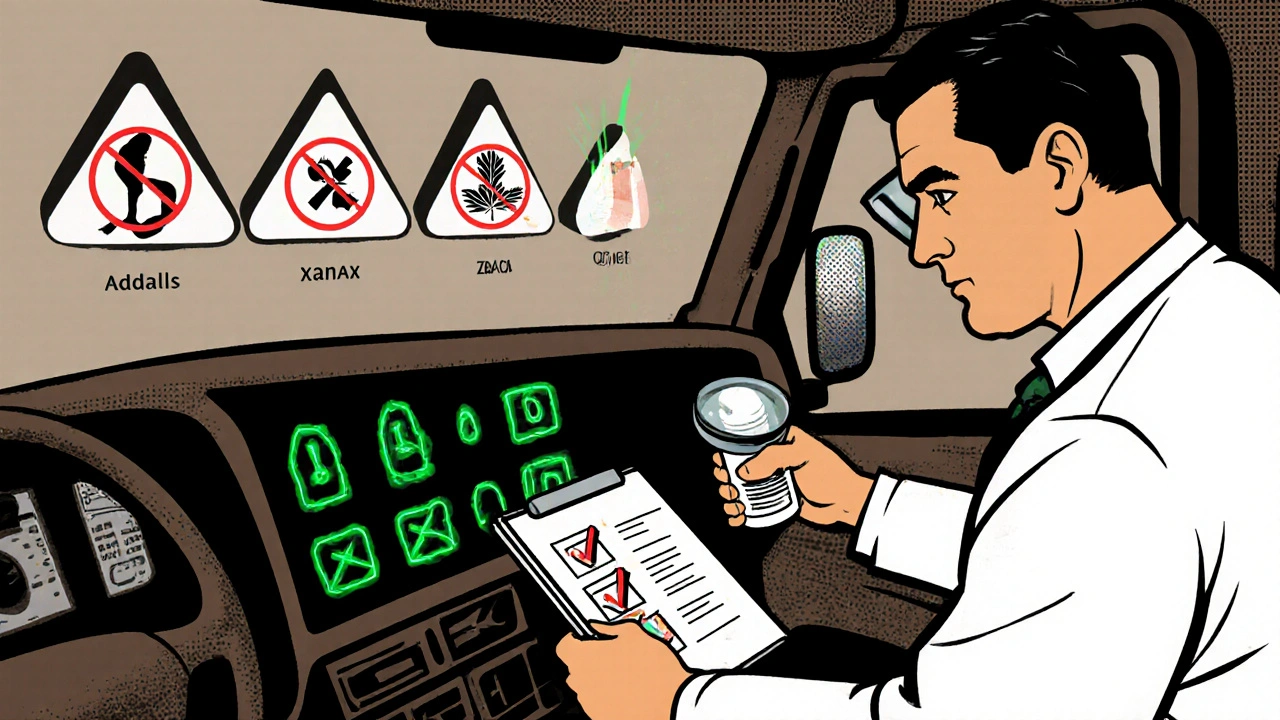
Commercial drivers must follow strict DOT medication rules to stay on the road. Learn which prescriptions are banned, how to stay compliant, and what alternatives exist for common conditions like ADHD and chronic pain.
View More