
When your body overreacts to a medicine you need, drug desensitization, a controlled medical process that gradually introduces a drug to reduce allergic reactions. Also known as therapeutic desensitization, it lets people who’ve had life-threatening reactions take antibiotics, chemotherapy, or even insulin without going into shock. This isn’t about building tolerance over time—it’s a supervised step-by-step reset of your immune system’s alarm response.
It’s not for every allergy. If you broke out in hives after penicillin, you might get a different antibiotic. But if you need that exact drug—say, for an infection no other medicine can touch—drug desensitization becomes your only option. Clinics use it for hypersensitivity to drugs like carboplatin, vancomycin, or monoclonal antibodies. The process takes hours, sometimes days, with tiny doses given every 15 to 30 minutes while staff watch your vitals. One wrong move and you could crash. But done right, it works in over 90% of cases.
Why isn’t this more common? Because it’s risky, expensive, and needs trained staff. You can’t do it at home. You can’t rush it. And if you stop the drip, even for a few hours, you might have to start all over. That’s why it’s usually reserved for critical cases: cancer patients, people with severe infections, or those with no alternatives. But when it’s needed, it’s the difference between life and a dead-end treatment plan.
What you’ll find below isn’t theory—it’s real-world guidance. Posts cover how drug desensitization fits into broader medication safety, what goes wrong when it’s mismanaged, and how it connects to other issues like drug interactions, antibiotic absorption, and immunosuppressants. You’ll see how one patient’s reaction to a common drug can ripple into bigger questions about safety, access, and how we balance risk with necessity in modern medicine.
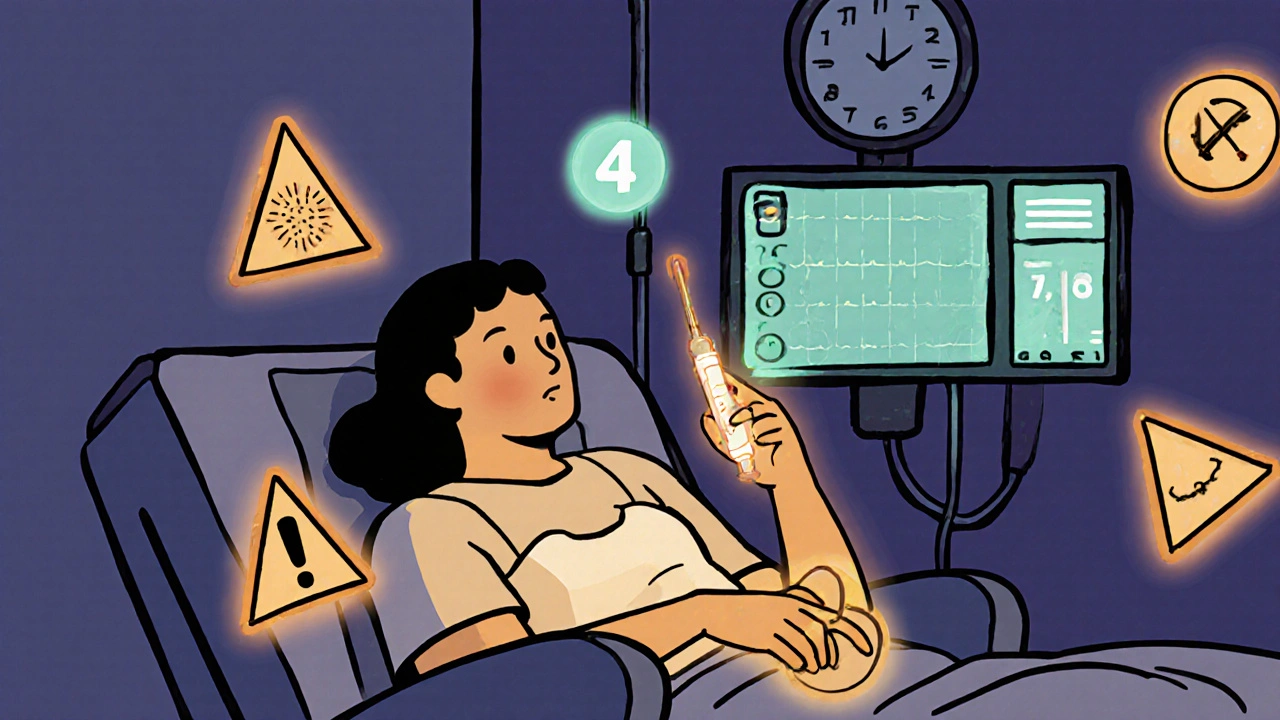
Desensitization protocols allow patients with severe drug allergies to safely receive life-saving medications like antibiotics and chemotherapy. Learn when it’s used, how it works, and why it’s often the only option.
View More