
When your liver stores too much fat, it’s called fatty liver, a condition where excess fat builds up in liver cells, often without symptoms until damage occurs. Also known as hepatic steatosis, it’s not just about drinking too much—it’s tied to weight, sugar, insulin, and even your gut. About 25% of adults worldwide have some form of fatty liver, and most don’t know it until a blood test or ultrasound spots it.
Fatty liver comes in two main types: nonalcoholic fatty liver disease (NAFLD), which happens without heavy drinking, and alcohol-related liver disease, caused by long-term alcohol use. NAFLD is the most common, and it often shows up with obesity, type 2 diabetes, or high triglycerides. It’s not just a liver problem—it’s a signal your whole metabolism is out of balance. The scary part? It can quietly turn into inflammation (NASH), scarring (fibrosis), and even cirrhosis if ignored.
What makes fatty liver tricky is that it doesn’t always cause pain or obvious signs. No jaundice, no vomiting—just fatigue, maybe a dull ache under the ribs, or nothing at all. That’s why it’s called a silent disease. But the fixes aren’t magic pills. They’re lifestyle shifts: cutting back on sugar, losing even 5-10% of body weight, moving more, and avoiding unnecessary meds that stress the liver. Some supplements and drugs are being studied, but none replace the basics.
You’ll find posts here that dig into how common drugs—like certain antibiotics, statins, or even probiotics—can affect liver fat. Others show how gut health, medication timing, and even counterfeit pills might play a role. There’s no single cure, but there’s plenty you can do to reverse it early. This collection gives you the real, science-backed tools—not hype, not supplements sold as miracles, but what actually works when you’re trying to protect your liver before it’s too late.
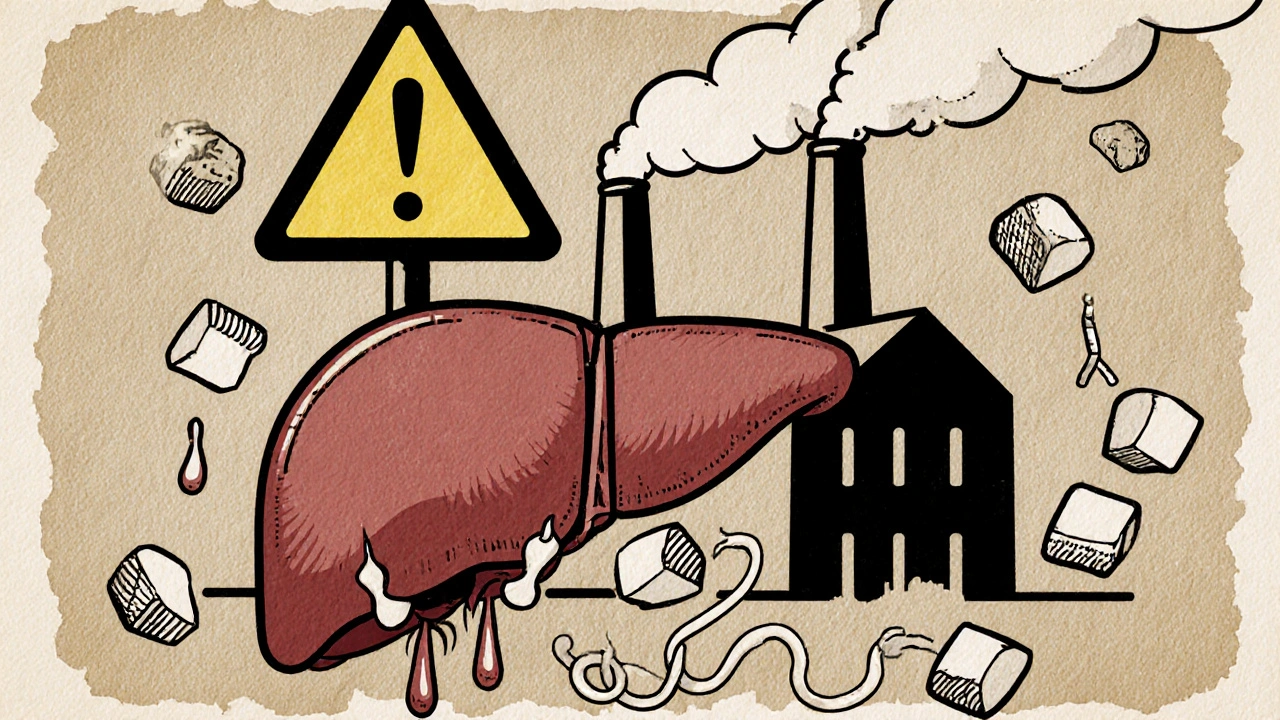
MASLD is a common liver condition driven by metabolic dysfunction. Losing 10% of body weight can reverse liver damage, and GLP-1 drugs like semaglutide help by reducing fat, inflammation, and improving insulin sensitivity. Combined with lifestyle changes, they offer real hope.
View More