
When you pick up a generic pill at the pharmacy, you’re seeing the result of the Hatch-Waxman Act, a 1984 U.S. law that created a legal pathway for generic drugs to enter the market without repeating expensive clinical trials. Also known as the Drug Price Competition and Patent Term Restoration Act, it’s the reason your $150 brand-name drug now costs $5 as a generic. Before this law, companies could sit on patents forever and block cheaper versions. Hatch-Waxman changed that—by letting generic makers prove their drugs were the same, not better, and by giving brand-name companies a little extra patent time to make up for delays in FDA approval.
This law didn’t just lower prices. It created a whole system of ANDA, Abbreviated New Drug Applications that let generic companies skip animal and human trials if they match the brand drug’s active ingredient, strength, and how it’s absorbed. But here’s the catch: the system relies on patents. If the brand company sues over patent infringement, the FDA can’t approve the generic—no matter how ready it is. That’s why you see tentative approval, a status meaning the generic is scientifically approved but stuck in legal limbo. It’s not a delay in science—it’s a delay in courtrooms. And those delays? They’re often about money, not safety.
The Hatch-Waxman Act also gave brand-name drugmakers a 30-month clock to fight generics in court. If they don’t win, the generic comes out. If they do, they get to keep the monopoly longer. That’s why some drugs take years to go generic—even after the original patent expires. It’s not broken. It’s designed this way. But it’s why you might still pay full price for a drug that’s been around for decades.
What you’ll find below are real stories from this system: why some generics sit on the shelf, how patent tricks delay access, and how pharmacists and patients are navigating the gaps. These aren’t abstract policies—they’re the reason your prescription costs what it does, and why some medicines take forever to become affordable.
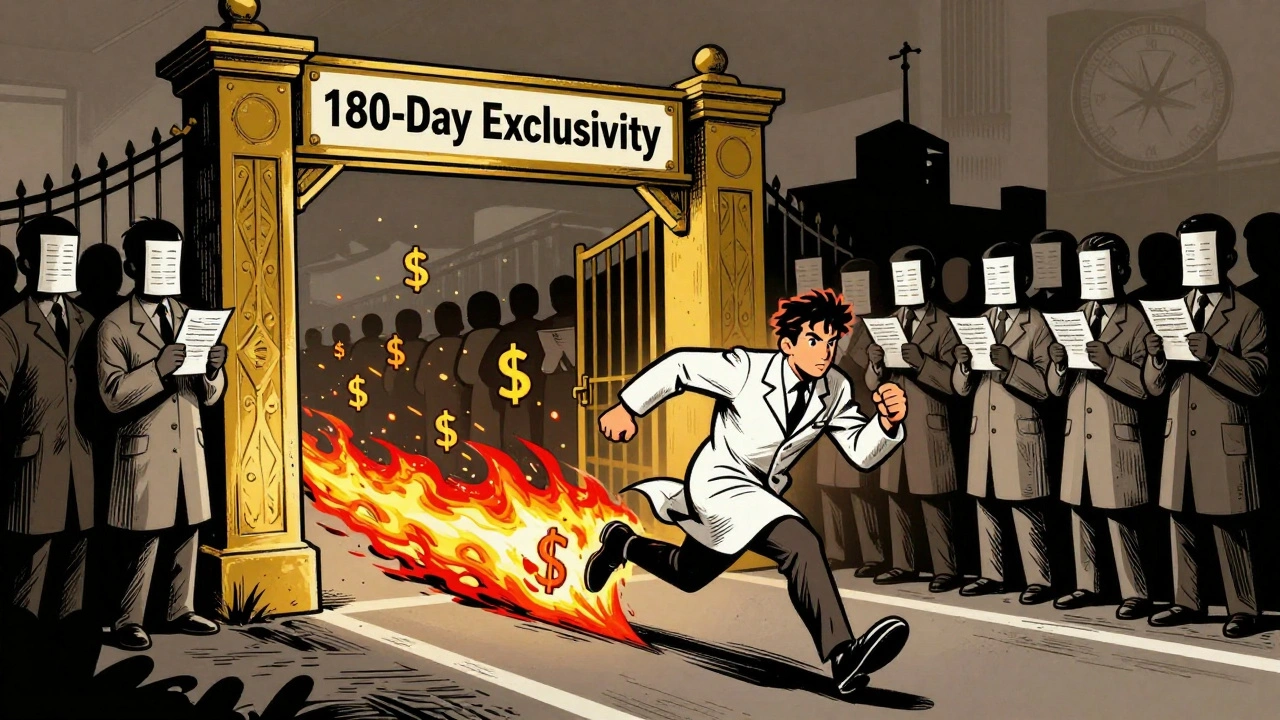
After the first generic enters the market, a cascade of competitors follows, triggering massive price drops. Learn how authorized generics, PBM contracts, and manufacturing bottlenecks shape the chaotic race to dominate generic drug markets.
View More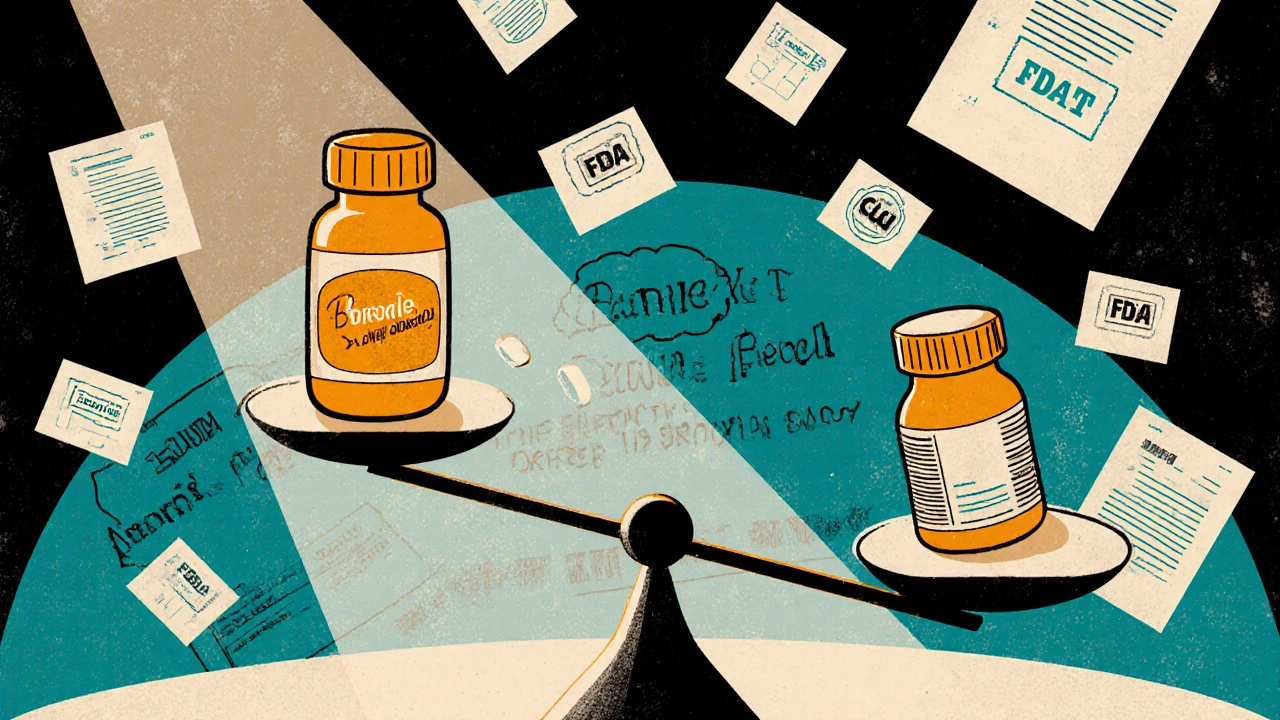
The Hatch-Waxman Act created the modern U.S. generic drug system by balancing patent protections for brand drugs with faster approval paths for generics. It slashed drug costs and increased access-but also opened the door to patent abuse.
View More