
When we talk about liver health, the liver is your body’s main filter for toxins, drugs, and waste. Also known as hepatic function, it’s the organ that processes everything you take—whether it’s a prescription, an over-the-counter pill, or a supplement. If your liver isn’t working right, even harmless-seeming drugs can turn dangerous. It doesn’t scream when it’s in trouble. By the time you feel it, damage might already be done.
Medication side effects, especially from common drugs like NSAIDs, statins, and antibiotics, are a leading cause of liver stress. You might not realize that something as simple as ibuprofen or a daily multivitamin can pile up over time. The liver breaks down these substances, but if you’re taking multiple meds or have a history of alcohol use, your liver gets overwhelmed. Drug interactions, like mixing lithium with diuretics or antibiotics with dairy, can spike toxicity levels without warning. And it’s not just prescriptions—some herbal supplements, like kava or green tea extract, have been linked to serious liver injury.
Your liver doesn’t just handle drugs. It also deals with the fallout from poor diet, viral infections like hepatitis, and even long-term use of certain antidepressants. That’s why liver function, measured through blood tests like ALT and AST, matters more than most people think. A simple blood test can catch early signs of inflammation or damage before symptoms show up. But here’s the catch: most people don’t get checked unless they’re already feeling sick. And by then, it’s often too late for easy fixes.
The posts below cover real-world cases where medications, supplements, and everyday habits quietly harm the liver. You’ll find out why some antibiotics need to be timed around meals, how common painkillers can sneak up on your liver, and which supplements are riskier than they look. You’ll also see how drug shortages and generic manufacturing issues can lead to unsafe substitutes that stress your system even more. This isn’t about fear—it’s about awareness. Your liver works nonstop for you. It deserves more than a passing thought.
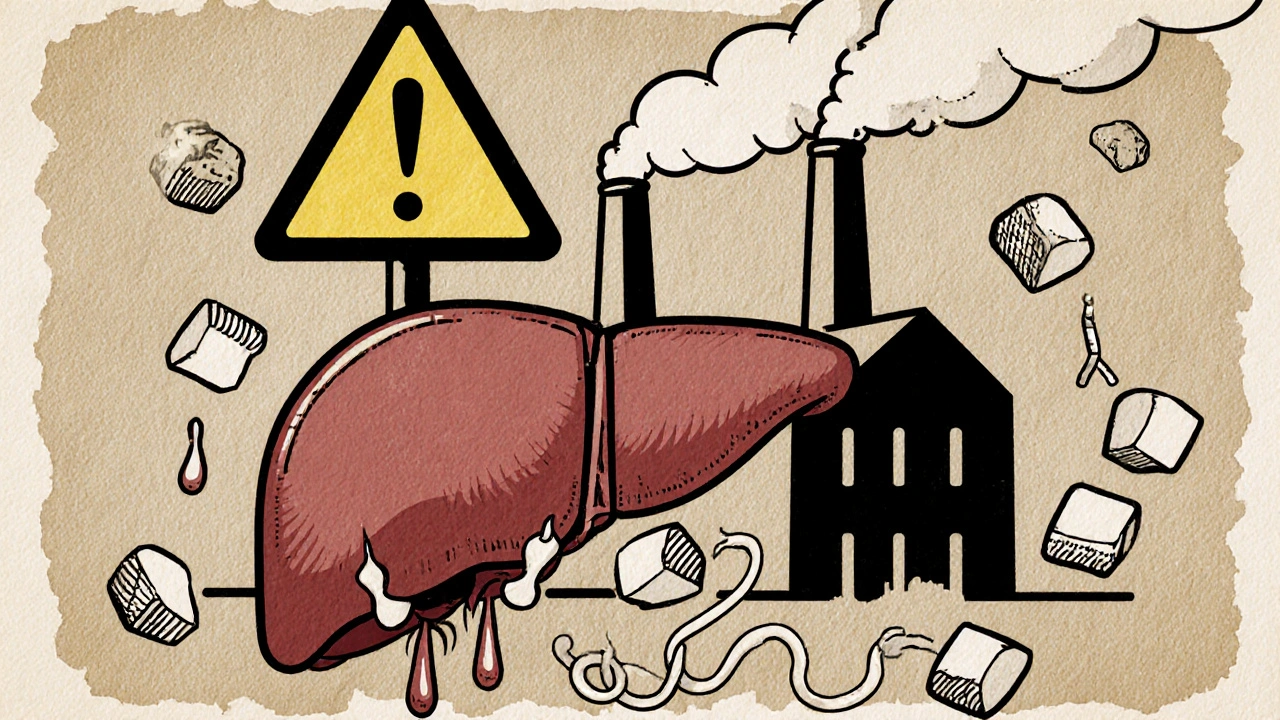
MASLD is a common liver condition driven by metabolic dysfunction. Losing 10% of body weight can reverse liver damage, and GLP-1 drugs like semaglutide help by reducing fat, inflammation, and improving insulin sensitivity. Combined with lifestyle changes, they offer real hope.
View More