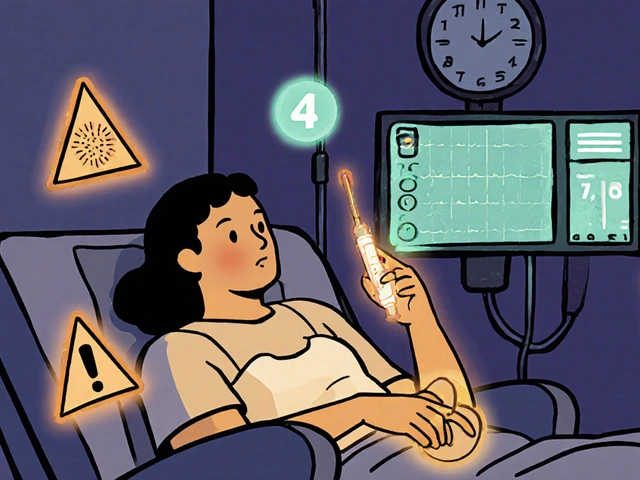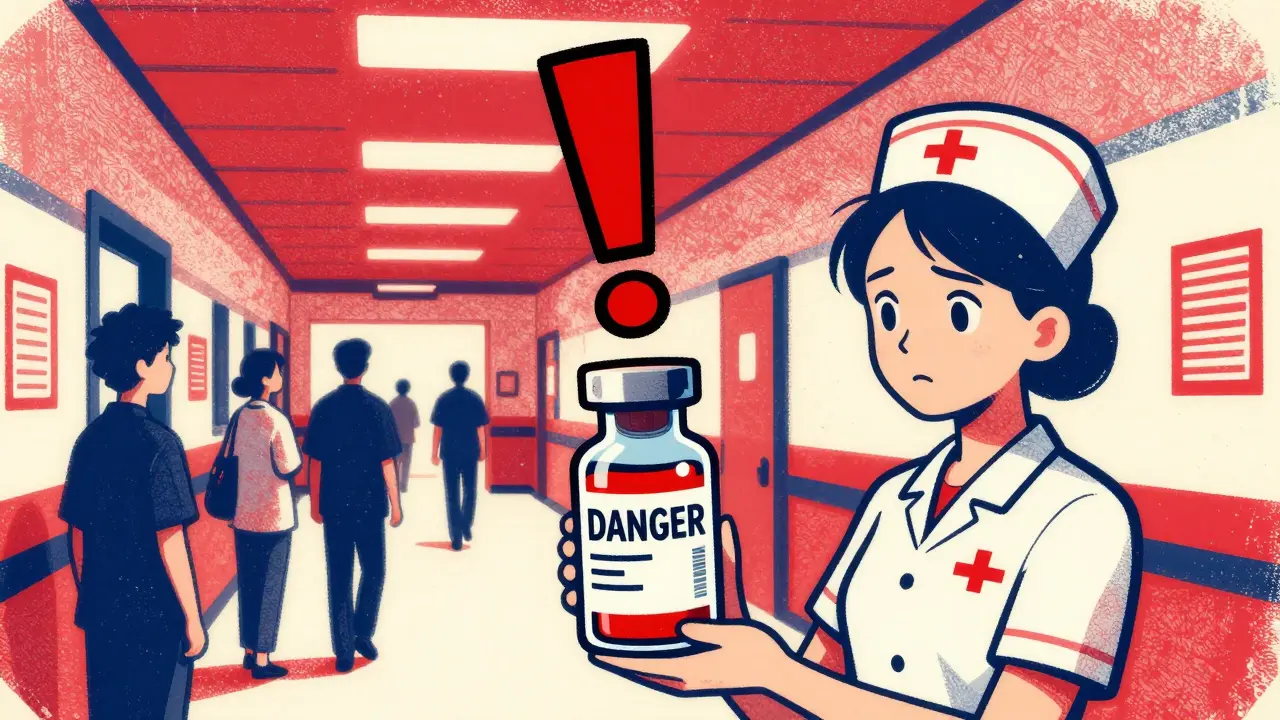
The goal isn't just to have two people look at a vial; it's to create a redundant system where a second set of eyes catches a mistake the first person missed. If you're a clinician or a pharmacy technician, knowing exactly which drugs trigger this requirement and how to perform the check properly is the difference between a safe shift and a sentinel event.
What Exactly Are High-Alert Medications?
Not every medication is created equal. While any drug can be given in error, High-Alert Medications is a category of pharmaceutical agents that pose a significant risk of causing severe patient harm or death when used in error . The scary part? They aren't necessarily mismanaged more often than other drugs; it's just that when they *are* messed up, the consequences are far more severe.
These drugs typically have a "narrow therapeutic index," meaning the window between a dose that heals and a dose that harms is incredibly small. For instance, a small increase in a potent anticoagulant can lead to internal bleeding, while a slight decrease in an insulin infusion can cause a hyperglycemic crisis. Because of this, the Institute for Safe Medication Practices (or ISMP) maintains a specialized list, updated as recently as January 2024, to help hospitals identify these high-risk agents.
Identifying Which Medications Require Double Checks
Depending on where you work, your facility might follow the ISMP guidelines or a specific internal policy like those used by the Veterans Health Administration (VHA) or Providence Health System. However, most high-alert lists share a common core of "red flag" medications. If you see these in a prescription, you should immediately trigger a double-check protocol.
- Insulin and Glucose Control: Any IV push or continuous insulin infusion is a top priority.
- Anticoagulants: Intravenous Heparin is a classic example, along with direct thrombin inhibitors like Argatroban or Bivalirudin.
- Concentrated Electrolytes: Potassium chloride or potassium phosphate concentrates (1mEq/ml and above) are extremely dangerous if infused too quickly.
- Neuromuscular Blocking Agents: Paralytics used in intubation or surgery require strict verification.
- Chemotherapeutic Agents: Due to their toxicity and complex dosing, all forms of chemotherapy generally require a witness.
- Opioids and PCA: Injectable narcotics delivered via Patient-Controlled Analgesia (PCA) pumps are high-risk due to the potential for respiratory depression.
Beyond specific drugs, some processes also require double checks, such as Total Parenteral Nutrition (TPN) or any medication administered to a neonatal or pediatric patient, where dosing is based on weight and errors are amplified.
| Medication Type | Primary Risk | Standard Safeguard | Verification Method |
|---|---|---|---|
| IV Insulin | Severe Hypoglycemia | Independent Double Check (IDC) | Dose + Pump Setting |
| Heparin Infusion | Hemorrhage | IDC + Smart Pump | Concentration + Rate |
| Potassium Chloride | Cardiac Arrest | Strict Dilution + IDC | Concentration + Route |
| Chemotherapy | Systemic Toxicity | Pharmacist + Nurse IDC | Patient ID + Dose Calc |
How to Perform a True Independent Double Check (IDC)
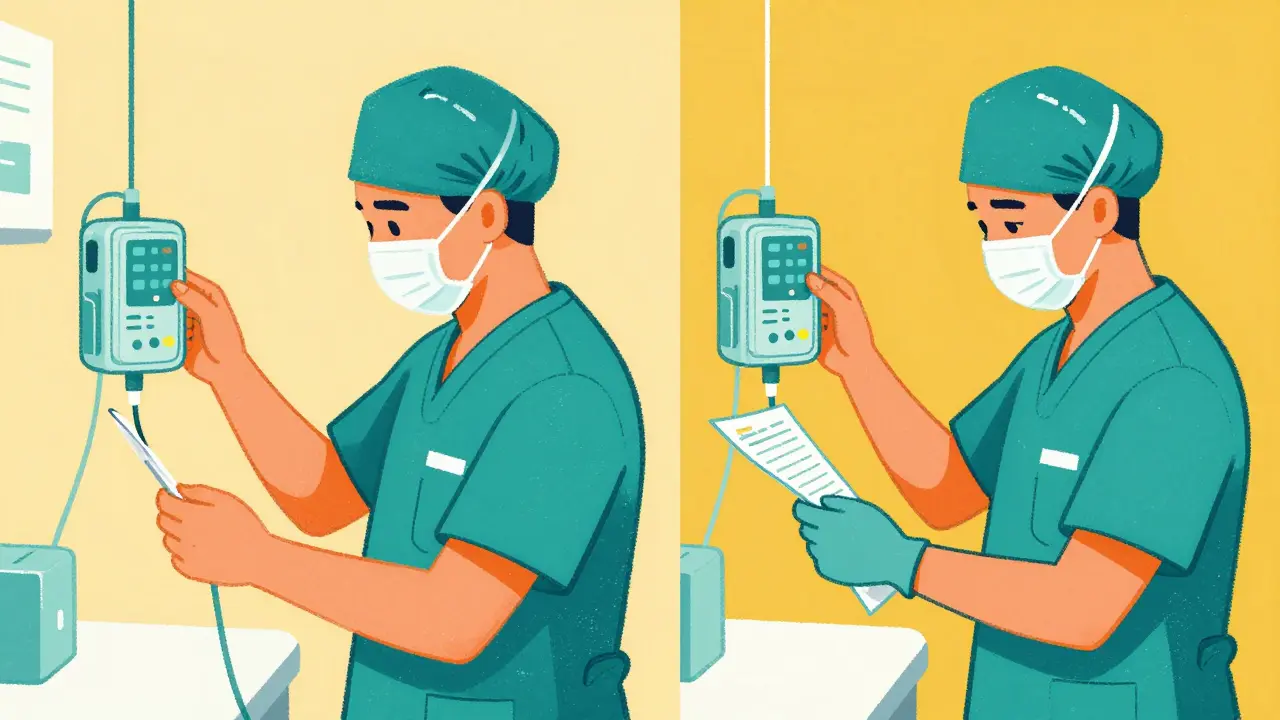
Here is the hard truth: most "double checks" in hospitals are fake. We've all seen it-one nurse holds up a vial and says, "This is 5 units of Morphine, right?" and the second nurse just nods and signs the paper. That is a simultaneous check, not an independent check. A 2017 study in the Journal of Patient Safety showed that while true IDCs catch about 87% of errors, these "nod-and-sign" checks only catch 32%.
To do a real Independent Double Check (or IDC) is a safety process where two clinicians verify a medication order alone and apart from each other before comparing their results , follow these steps:
- Isolate the Process: The first clinician prepares the medication and verifies the five rights (Patient, Drug, Dose, Route, Time) without telling the second clinician what they found.
- Independent Verification: The second clinician performs the same check from scratch. They look at the original order, the medication label, and the pump settings independently.
- Compare Results: Only after both have finished do they compare their findings. If there is any discrepancy, the process stops until the error is identified.
- Confirm Settings: For IV drips, both must verify the pump's programmed rate and volume to ensure they match the prescription.
- Dual Documentation: Both clinicians sign the Electronic Medication Administration Record (or eMAR) to create a legal audit trail.
Why Some Hospitals are Moving Away from Manual Checks
You might hear some experts, including leaders at the ISMP, suggesting that we shouldn't use IDCs for everything. Why? Because "alert fatigue" is real. When nurses are forced to double-check every single drip, they start treating it as a bureaucratic chore rather than a safety measure. This leads to the very workarounds that cause errors.
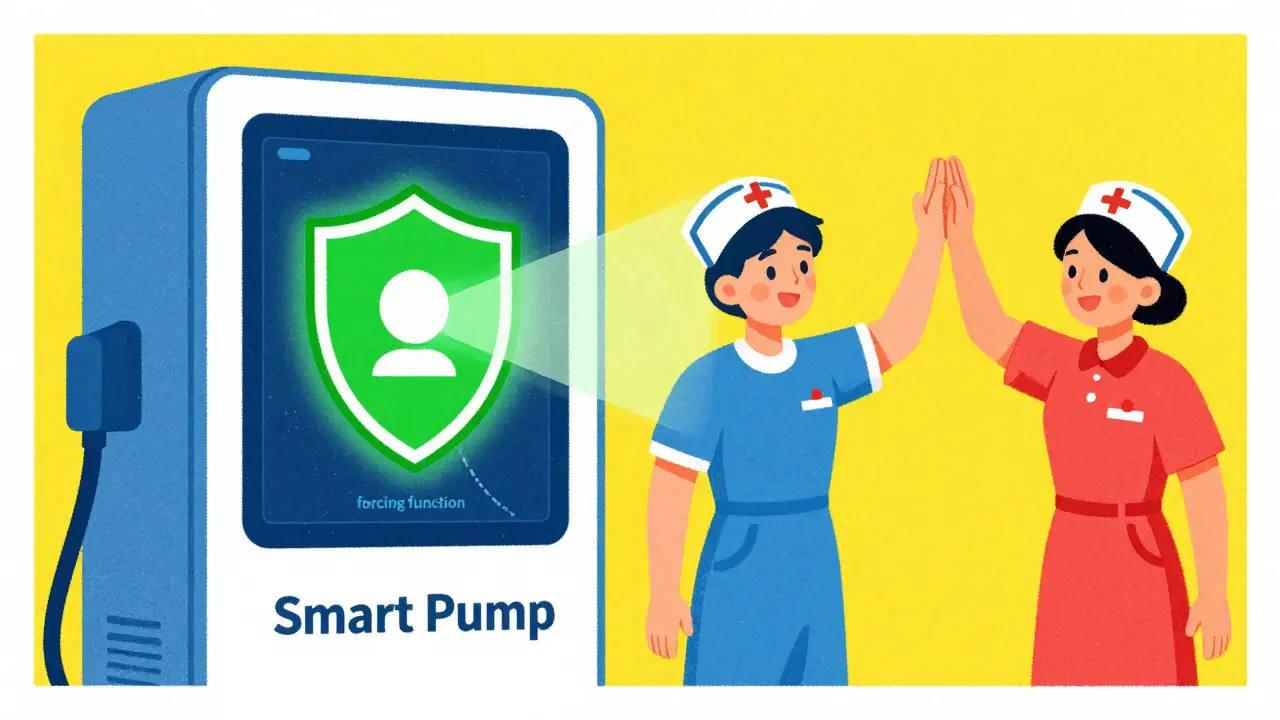
The modern trend is shifting toward forcing functions. A forcing function is a technical barrier that makes it impossible to commit an error. For example, Smart Pumps is infusion devices equipped with Dose Error Reduction Systems (DERS) that alert clinicians if a dose exceeds safe limits . According to the ECRI Institute, hospitals that combine smart pumps with targeted IDCs for the most dangerous drugs reduce errors by 63%, compared to only 42% for those relying purely on manual human checks.
The goal is to use the "human" check for the most complex tasks-like pediatric chemotherapy or titration of a potent vasopressor-while letting technology handle the routine safeguards.
Common Pitfalls and How to Avoid Them
Even with a policy in place, things go wrong. Staffing shortages are the biggest enemy of safety. When a unit is understaffed, the "second nurse" is often multitasking or rushed, leading to a superficial check. To avoid this, leadership needs to build IDC time into the staffing calculations, treating the check as a clinical task rather than a favor.
Another pitfall is confirmation bias. This happens when the first person says, "I've got the Heparin set to 12 units/hr," and the second person subconsciously looks for the number 12 instead of actually calculating if 12 is the correct dose. To kill this bias, the first person must remain silent until the second person has independently reached their own conclusion.
What is the difference between a double check and an independent double check?
A standard double check is often simultaneous, where one person leads the process and the other simply agrees. An Independent Double Check (IDC) requires both clinicians to perform the verification separately and without communication until the very end. This prevents the second person from being influenced by the first person's assumptions.
Which medications absolutely require an IDC?
While institutional policies vary, the most critical include IV insulin, concentrated potassium, intravenous heparin, chemotherapy agents, and neuromuscular blocking agents (paralytics). Any medication with a narrow therapeutic index or high potential for fatal outcomes should be on your list.
Can a smart pump replace the need for a second nurse?
Smart pumps with Dose Error Reduction Systems (DERS) significantly reduce risk, but they don't replace the need for human verification of the "Right Patient" and the clinical appropriateness of the drug. The best approach is a hybrid: use technology to catch dosing errors and a second clinician to verify the patient and the overall plan of care.
What should I do if the second nurse is unavailable during an emergency?
In critical resuscitations, strict IDCs can be impractical. Many hospitals allow a "modified check" or prioritize the most dangerous drugs first. However, you should always document the reason for the deviation and perform a retrospective check as soon as the patient is stabilized.
How often should high-alert medication lists be updated?
The ISMP typically updates its Acute Care High-Alert Medications list biennially. Hospitals should review their lists at least every two years or whenever new high-risk medications are introduced to their formulary.
Next Steps for Improving Safety
If you're managing a team or looking to improve your own practice, don't just memorize a list of drugs. Instead, focus on the culture of verification. Encourage your colleagues to speak up if they feel a check was rushed. If you're in a leadership position, audit your eMAR signatures-if two signatures always appear within 5 seconds of each other, you don't have an IDC process; you have a signature process.
For those working in high-pressure areas like the ICU or ER, the best move is to advocate for interoperability between your eMAR and your smart pumps. When the pump automatically pulls the dose from the physician's order, the chance of a manual entry error drops significantly, leaving the human double-check to focus on the most important part: the patient.