
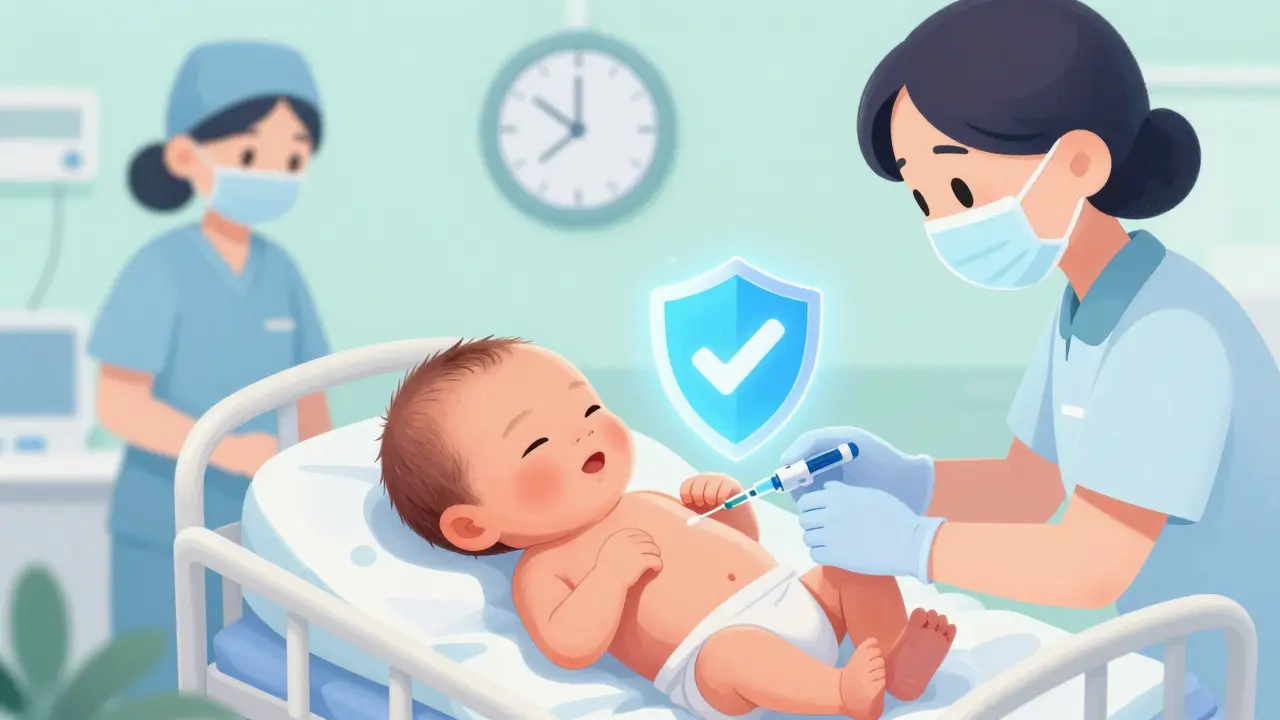
Learn the correct vaccination schedules for hepatitis A and B to ensure lifelong protection. Discover age-specific recommendations, new vaccine options, and how to catch up if you've missed doses.
View More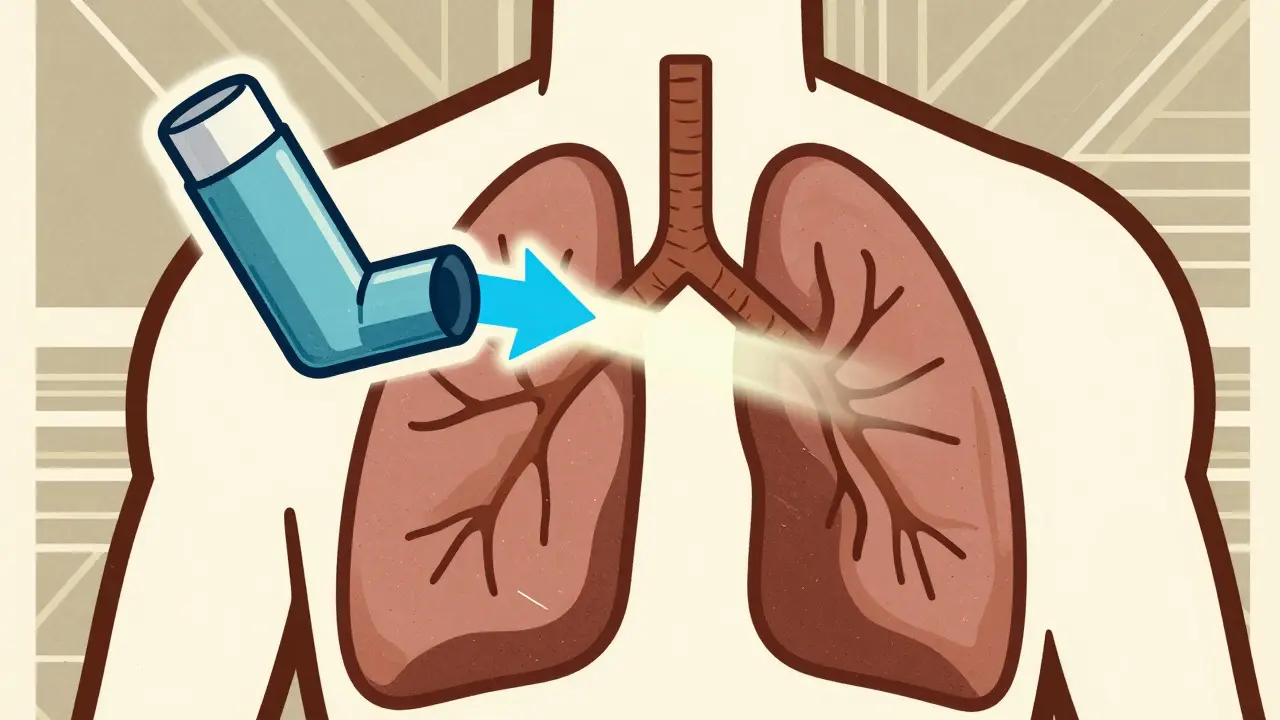
Bronchodilators open tight airways fast, while corticosteroids reduce long-term inflammation. Used together correctly, they’re the most effective way to manage asthma and COPD. Learn how they work-and why timing matters.
View More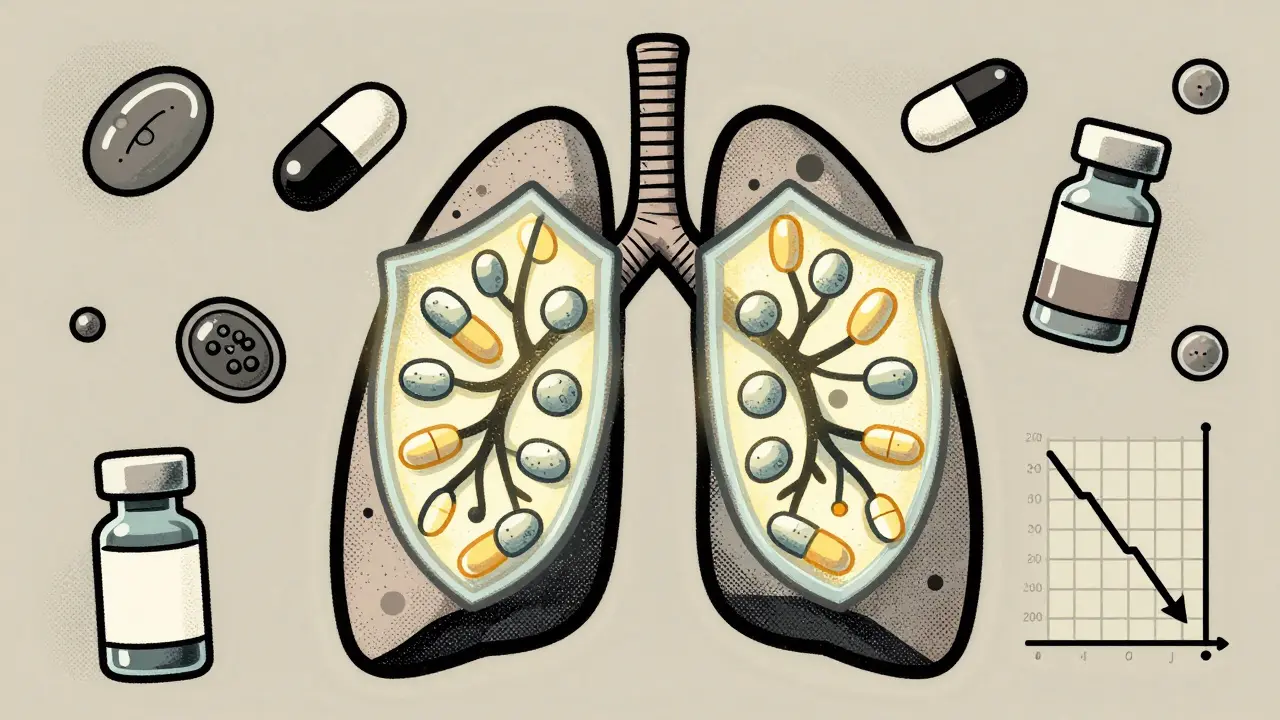
Pneumocystis pneumonia is rare but deadly in people on immunosuppressants. Learn who needs preventive antibiotics like TMP-SMX, when to stop, and why some doctors disagree on treatment.
View More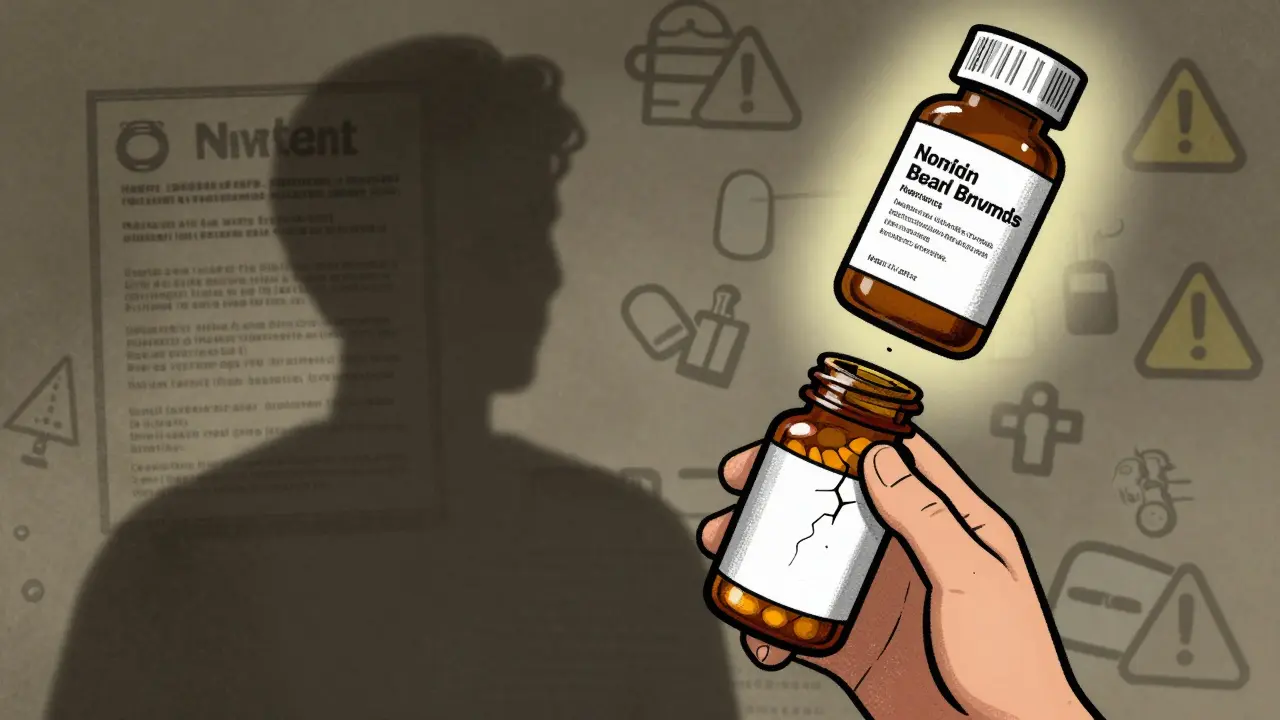
FDA safety alerts for generic drugs often lag behind brand-name drugs because manufacturers can't update labels on their own. Learn how the system works, why it's flawed, and what you can do to protect yourself.
View More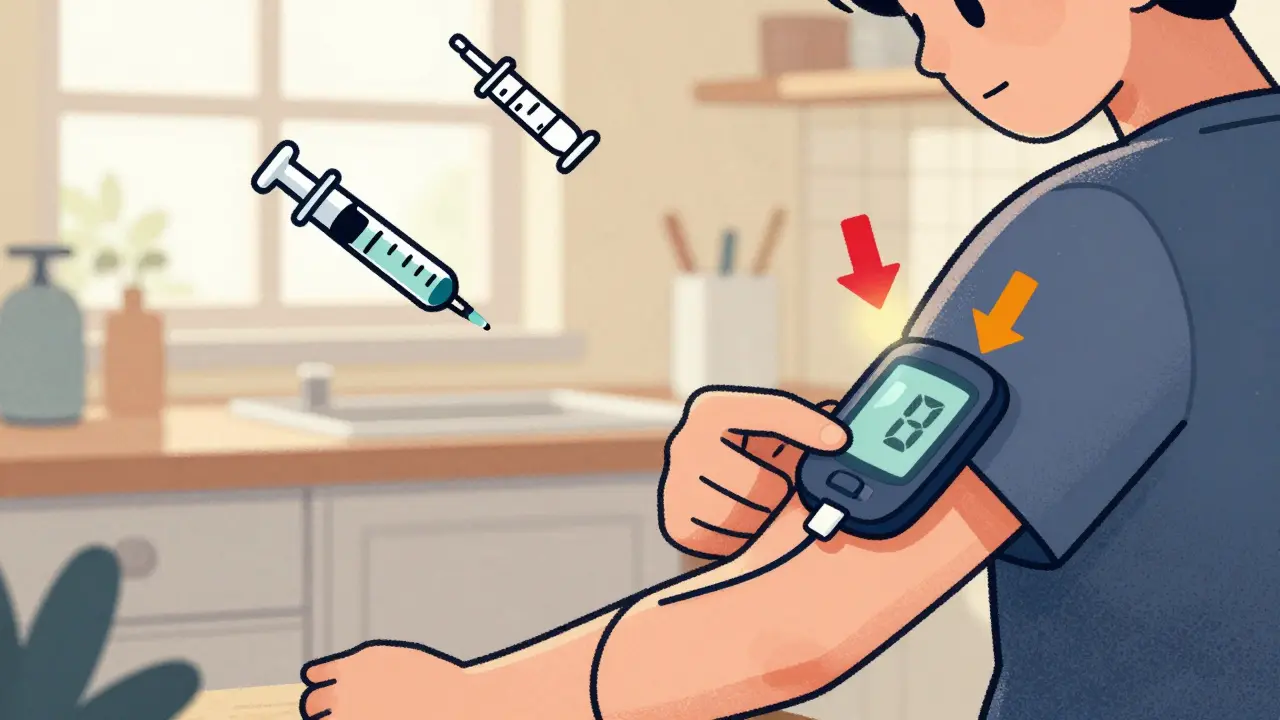
Learn how to use CGM trend arrows to adjust insulin and other diabetes medications before low or high blood sugar happens. Proven, step-by-step guidelines from leading medical societies.
View More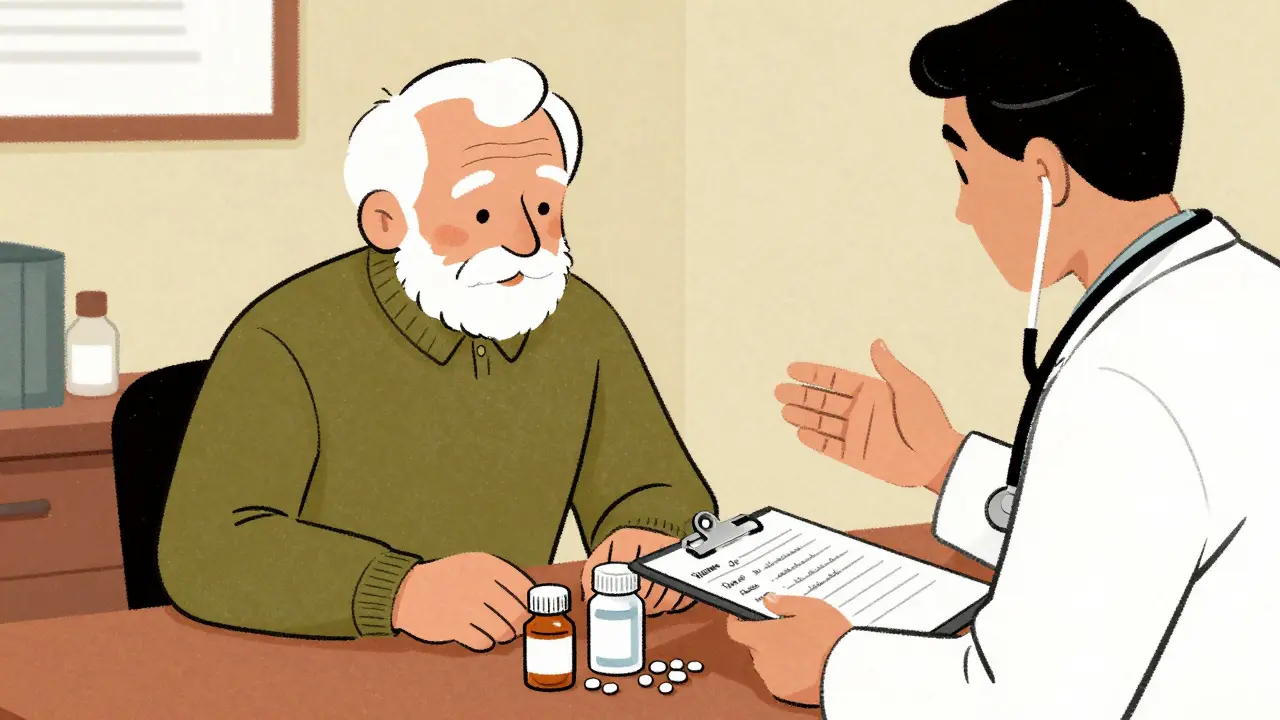
Bringing a caregiver or advocate to medication appointments reduces errors, improves understanding, and ensures your treatment plan works in real life. Learn how to prepare, what to ask, and what to do after the visit.
View More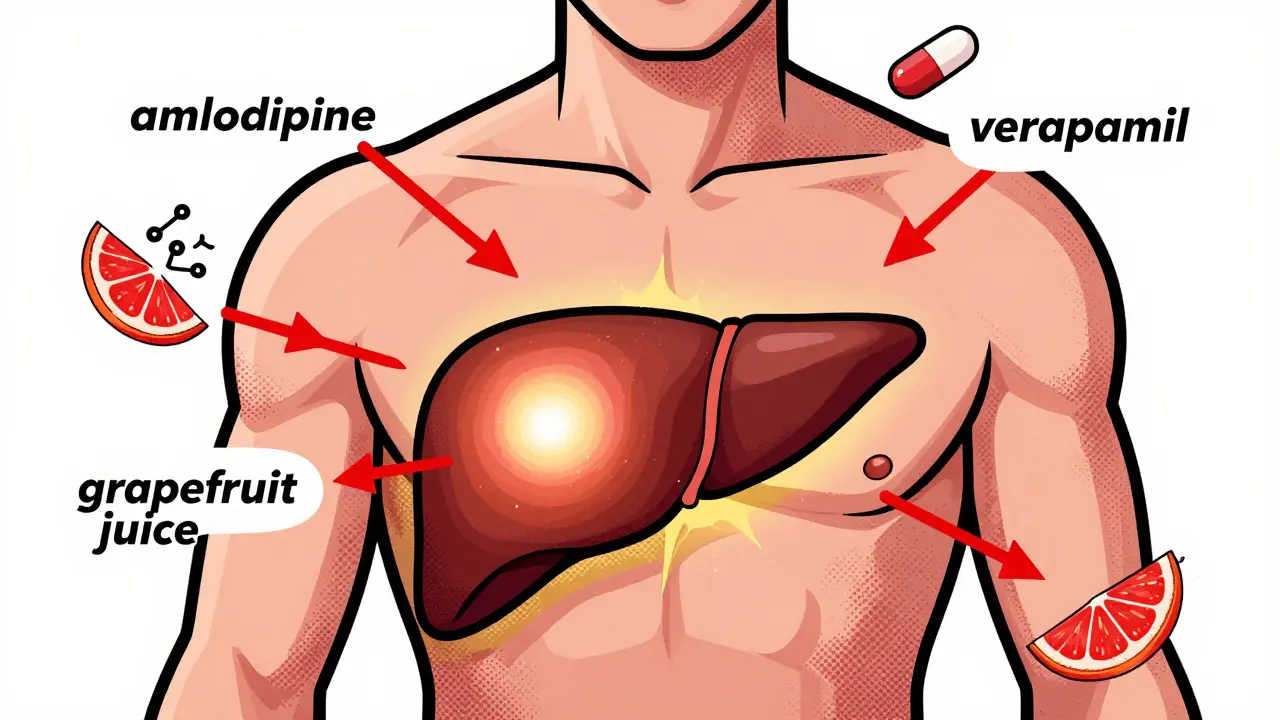
Calcium channel blockers are widely used for high blood pressure and heart conditions, but their safety depends heavily on how they interact with other drugs. Learn how CYP3A4 metabolism, grapefruit juice, and kidney function affect clearance and risk.
View More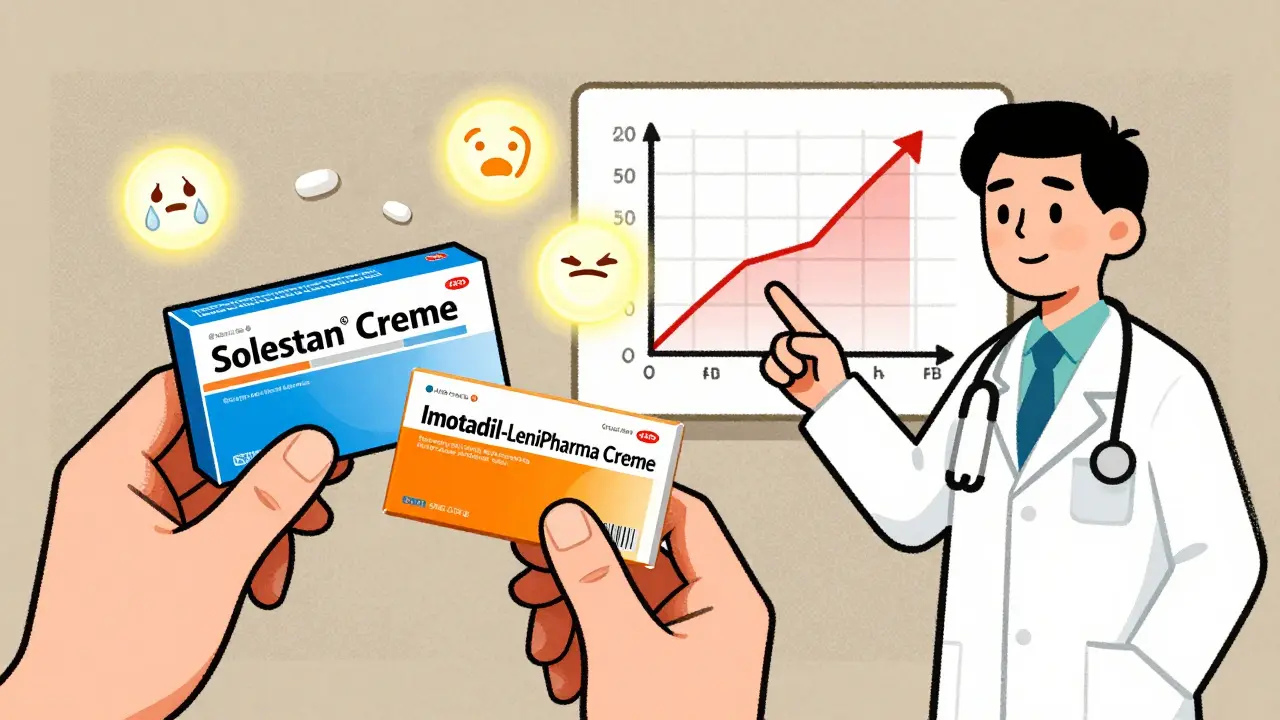
Learn how patient perceptions and the nocebo effect can make generics feel less effective-even when they're chemically identical to brand-name drugs. Discover practical strategies for healthcare providers to reduce fear, build trust, and improve outcomes.
View More
Learn how to spot the life-threatening signs of sedative and sleep medication overdose, including unresponsiveness, slow breathing, and blue lips. Know what to do before it’s too late.
View More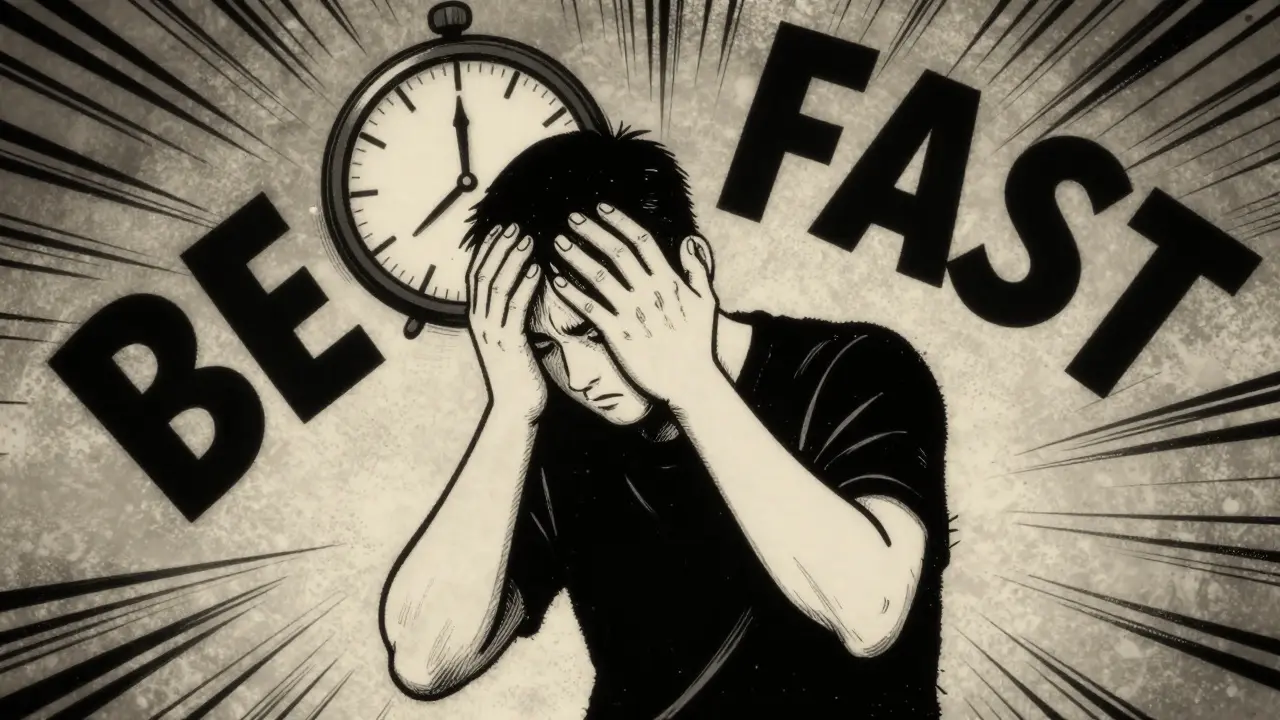
TIA and stroke share identical symptoms, but a TIA is a medical emergency that predicts a future stroke. Learn the warning signs, why timing matters, and how to prevent a life-altering event.
View More