
When it comes to treating sleep apnea, two devices come up again and again: APAP, an auto-adjusting positive airway pressure device that changes pressure throughout the night based on your breathing. Also known as automatic positive airway pressure, it’s designed to respond to your needs in real time. Then there’s CPAP, a continuous positive airway pressure machine that delivers a fixed pressure level all night long. Also known as constant positive airway pressure, it’s been the gold standard for decades. Both help keep your airway open while you sleep, but they don’t work the same way—and that difference can change your comfort, compliance, and sleep quality.
The biggest distinction? APAP is adaptive. It starts low, senses when you’re snoring or having an apnea event, and boosts pressure only when needed. Think of it like a smart thermostat for your breathing. CPAP, on the other hand, is like a constant breeze—same pressure whether you’re deep asleep or tossing around. That’s why some people find CPAP too stiff, especially on nights when they don’t need full pressure. APAP can feel more natural, but it’s not always better. If your apnea is stable and predictable, CPAP might be simpler and just as effective. And if you have other breathing issues like COPD or heart failure, your doctor might stick with CPAP because the fixed setting is easier to monitor.
Who’s a better fit for each? If you’re new to therapy and your apnea severity varies—say, worse when you sleep on your back or after drinking alcohol—APAP might help you adjust faster. If you’ve been on CPAP for years and it’s working fine, switching might not be worth it. Also, insurance often covers CPAP first because it’s cheaper and more predictable. APAP machines cost more upfront, and not all plans treat them as equal. Then there’s data. APAP devices track pressure changes, so your doctor can see patterns in your breathing. CPAP gives you one number: the pressure you’re set at. That data can help fine-tune treatment, but only if you actually review it.
It’s not just about the machine. Your mask fit, humidity settings, and even how often you clean the tubing matter just as much. A poorly fitting mask will ruin the benefits of either device. And if you’re still waking up tired after months on therapy, it might not be the machine—it could be another issue like restless legs, medication side effects, or even untreated nasal congestion. That’s why so many of the posts below dive into related topics: how to work with your doctor to adjust settings, what to do when your device feels uncomfortable, and how to spot when you need a different approach.
Below, you’ll find real-world guides on everything from how to troubleshoot mask leaks to why some people quit their machines—and how others stick with them for years. You’ll see how sleep devices interact with other treatments, how to read the data they collect, and how to ask the right questions when your sleep doesn’t improve. Whether you’re just starting out or you’ve been on therapy for a while, the goal is the same: better sleep, without the guesswork.
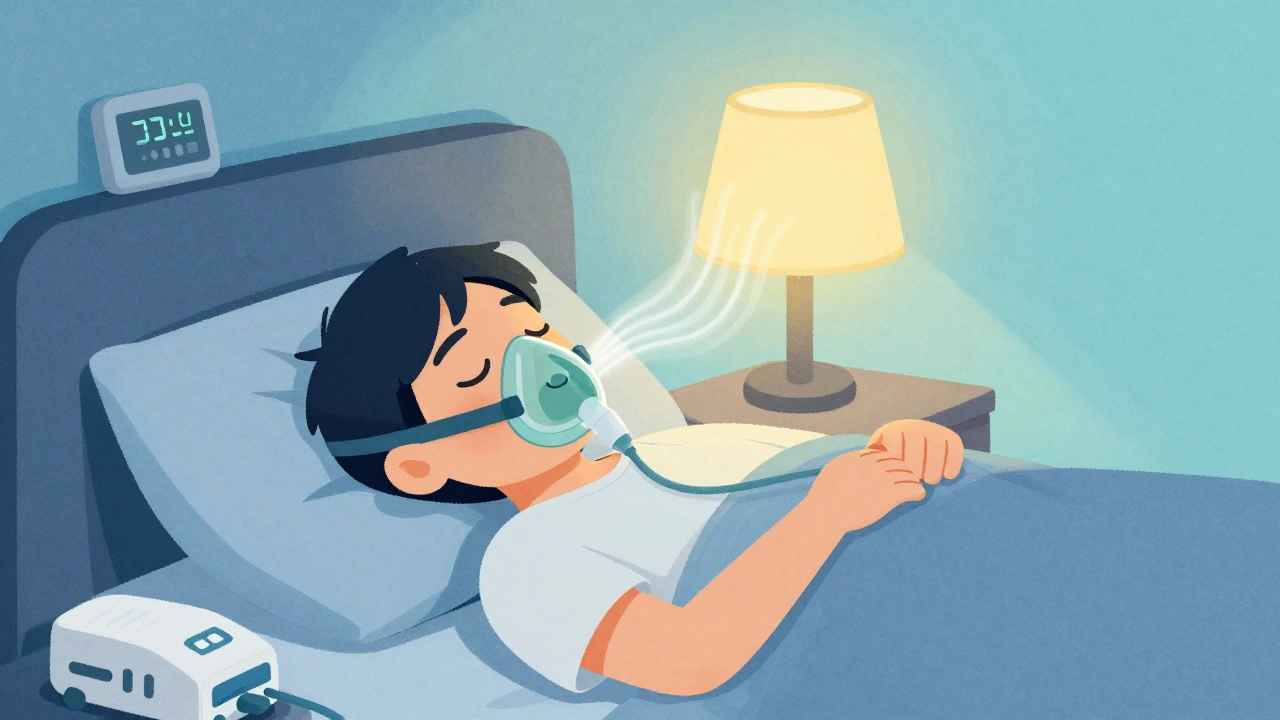
CPAP machines are the most effective treatment for sleep apnea, but success depends on mask fit and consistent use. Learn the differences between CPAP, APAP, and BiPAP, how to choose the right mask, and proven strategies to stick with therapy long-term.
View More