
When you stare at a screen all day, your eyes get tired. That’s not just in your head—it’s real. Blue light glasses, special lenses designed to filter out high-energy visible blue light from digital screens. Also known as computer glasses, they’re marketed to reduce eye strain, improve sleep, and even protect your vision long-term. But here’s the thing: most of what you hear about them isn’t backed by strong science.
Blue light itself isn’t the villain. Natural blue light from the sun helps regulate your circadian rhythm, your body’s internal clock that tells you when to wake up and when to sleep. The problem isn’t blue light—it’s when you’re exposed to it late at night. Phones, tablets, and computers flood your eyes with blue light right when your brain should be winding down. That’s why people who use screens before bed often struggle to fall asleep. Blue light glasses might help a little by cutting some of that light, but the real fix? Put the phone down an hour before bed. That’s way more effective than any lens.
As for digital eye fatigue, the burning, dry, tired feeling you get after hours of staring at a screen. That’s not caused by blue light. It’s caused by blinking less. When you’re focused on a screen, you blink about 60% less than normal. That’s why your eyes get dry and sore. The solution? Follow the 20-20-20 rule: every 20 minutes, look at something 20 feet away for 20 seconds. Blink on purpose. Use artificial tears if needed. Blue light glasses won’t fix that.
Some people swear by blue light glasses. They say their headaches are gone or they sleep better. That’s not fake—it’s real to them. But placebo effects are powerful, especially when you’ve spent money on something you believe will help. If wearing them makes you more mindful of screen time or reminds you to take breaks, then they’re worth it. But don’t expect them to be a miracle cure.
There’s also no evidence they prevent long-term eye damage. Your retina isn’t being burned by your phone screen. The amount of blue light from devices is tiny compared to daylight. If you’re worried about vision health, focus on regular eye exams, managing screen distance, and getting outside during the day.
So what’s the bottom line? Blue light glasses aren’t harmful. If you like how they look or feel, go ahead and wear them. But don’t confuse marketing with medicine. The real solutions are simpler: reduce screen time before bed, take breaks, blink more, and get enough natural light during the day. You don’t need special glasses to do that.
Below, you’ll find real-world insights from people who’ve tried everything—from prescription computer lenses to sleep trackers—to figure out what actually works. Some of these stories will surprise you.
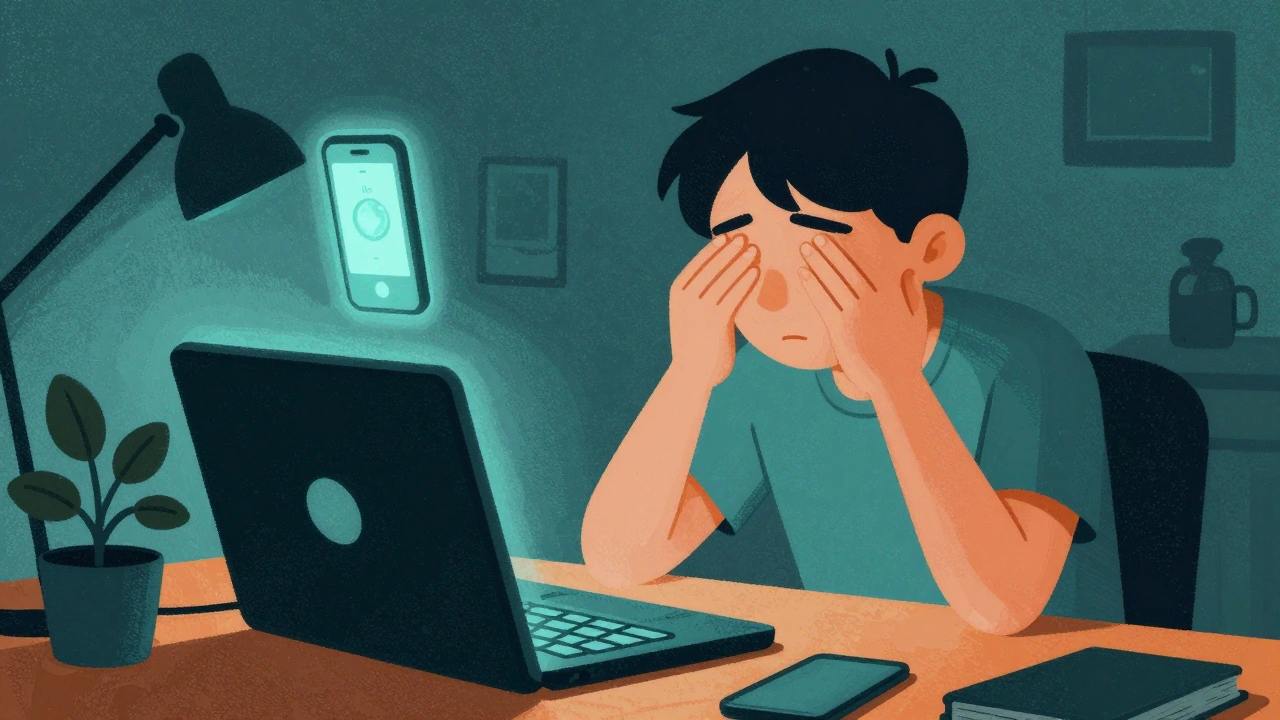
Blue light from screens can cause eye strain and disrupt sleep, but permanent eye damage isn't proven. Learn the real risks and what actually works - from the 20-20-20 rule to night mode settings - without wasting money on gimmicks.
View More