
When you're using a CPAP mask, a device that delivers continuous air pressure to keep airways open during sleep. It's not just about having the machine—you need the mask to actually seal to your face. A poorly fitted mask doesn’t just ruin your sleep—it makes the whole treatment useless. If air leaks out, your machine can’t maintain pressure, your apnea events come back, and you wake up tired no matter how long you slept.
There are three main CPAP mask types, nasal pillows, nasal masks, and full face masks. Nasal pillows sit at the nostrils and work well if you breathe through your nose and don’t move much. Nasal masks cover just the nose and are popular for people who find full face masks bulky. Full face masks cover nose and mouth—essential if you breathe through your mouth or have nasal congestion. The wrong type leads to leaks, skin irritation, or claustrophobia. Most people switch at least once before finding their fit. Fit isn’t just about size. It’s about your face shape, sleeping position, and even your beard. A mask that fits snugly at 8 PM might leak by 2 AM if you roll onto your side. Pressure needs to be just right—not too tight to cause red marks, not too loose to let air escape.
Mask leakage, the escape of air from the mask seal, is the #1 reason people stop using CPAP. It’s not always your fault. Masks wear out. Straps stretch. Nasal bridges change with weight gain or loss. Even a small leak can trigger the machine to ramp up pressure, making it harder to breathe. Check your mask every three to six months. Replace cushions and headgear before they crack or lose elasticity. Don’t ignore red marks or dry mouth—they’re warning signs, not normal side effects. Many people think they just need to tighten the straps, but that often makes things worse. The right fit comes from adjusting the headgear evenly, not yanking one side tighter. Try fitting it while lying down. Breathe normally. If air hisses, it’s leaking. If your skin turns white or bruises, it’s too tight.
Getting the right CPAP mask fit isn’t a one-time task. It’s an ongoing adjustment tied to your body, your sleep habits, and your machine’s settings. The best mask is the one you forget you’re wearing. That’s the goal. Below, you’ll find real advice from people who’ve been there—how to fix leaks, which masks work for side sleepers, why some people ditch nasal pillows for full face, and how to talk to your provider when nothing seems to fit.
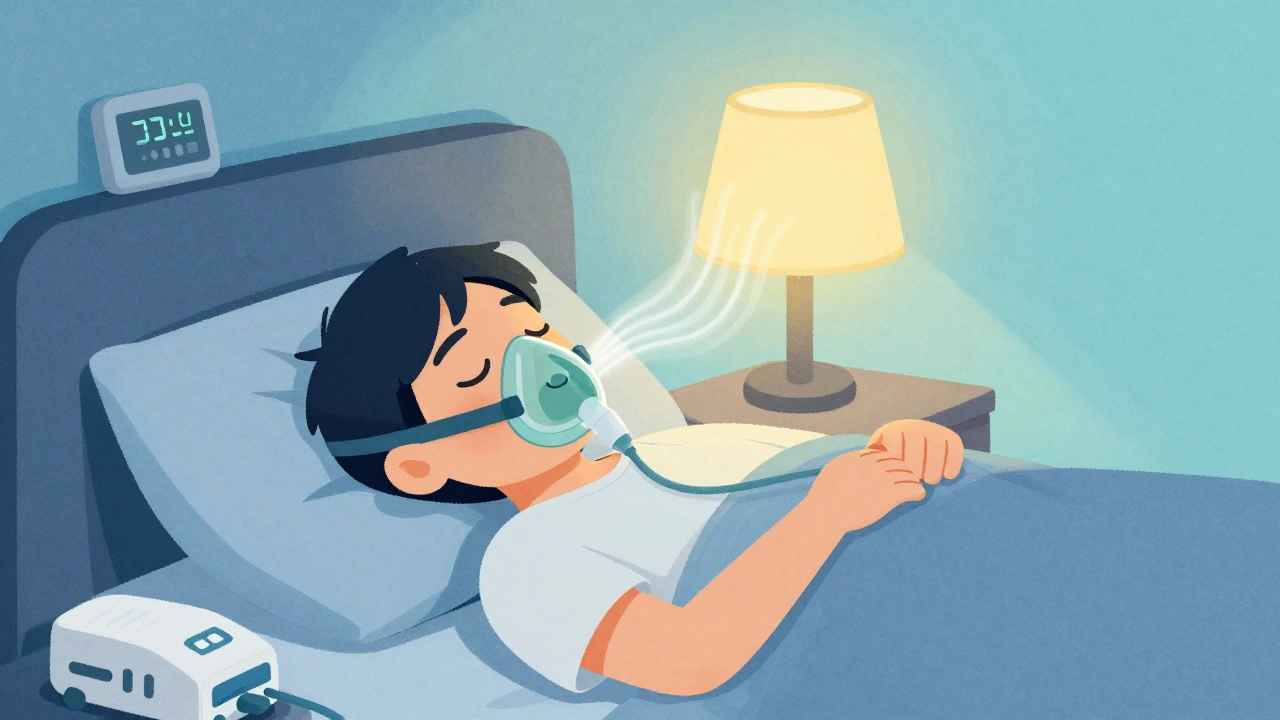
CPAP machines are the most effective treatment for sleep apnea, but success depends on mask fit and consistent use. Learn the differences between CPAP, APAP, and BiPAP, how to choose the right mask, and proven strategies to stick with therapy long-term.
View More