
When you take too many pills, your body doesn’t always thank you. Deprescribing, the planned process of reducing or stopping medications that are no longer needed or may be doing more harm than good. Also known as medication reduction, it’s not about quitting drugs cold turkey—it’s about smart, step-by-step adjustments guided by your doctor to protect your health. This isn’t just for seniors, though they’re the most common group affected. People on five or more medications—called polypharmacy, the use of multiple medications at once, often leading to side effects and interactions—are at higher risk of falls, confusion, kidney stress, and even hospital stays. The goal of deprescribing is simple: take only what you truly need, and stop what’s not helping.
Many older adults start taking meds for one condition, then get another drug for a side effect, then another for that drug’s side effect. It’s a cascade. A blood pressure pill causes dizziness, so they get a balance med. That causes dry mouth, so they get a saliva stimulant. Before long, they’re on a list of 10 pills, and no one’s checked if any of them still make sense. Geriatric medications, drugs prescribed to older adults that require special caution due to slower metabolism and higher sensitivity to side effects often need extra scrutiny. Studies show that up to 30% of medications in nursing homes could be safely stopped. That’s not just savings—it’s better sleep, fewer falls, clearer thinking.
Deprescribing isn’t magic. It’s a process. Doctors look at your whole list, your health goals, your daily life. Maybe your cholesterol med isn’t needed because you’ve lost weight. Maybe your sleep pill is making you groggy in the morning, and a bedtime routine would work better. Or maybe that antidepressant you took for five years isn’t helping anymore—but stopping it too fast could trigger withdrawal. That’s why drug withdrawal, the controlled tapering of a medication to avoid harmful reactions when stopping is part of the plan. It’s not about fear. It’s about control.
You won’t find a one-size-fits-all checklist. What’s right for one person might be dangerous for another. That’s why the posts below dive into real cases: how opioids are slowly lowered in seniors, how lithium levels shift when you stop a diuretic, why probiotics can backfire if you’re on immunosuppressants, and how to spot when a medication’s benefits have faded. These aren’t theory pieces. They’re guides written for people who’ve been told to keep taking pills, even when they don’t feel better. If you’re tired of being on a pill treadmill, what follows will show you how to ask the right questions—and when it’s safe to say no.
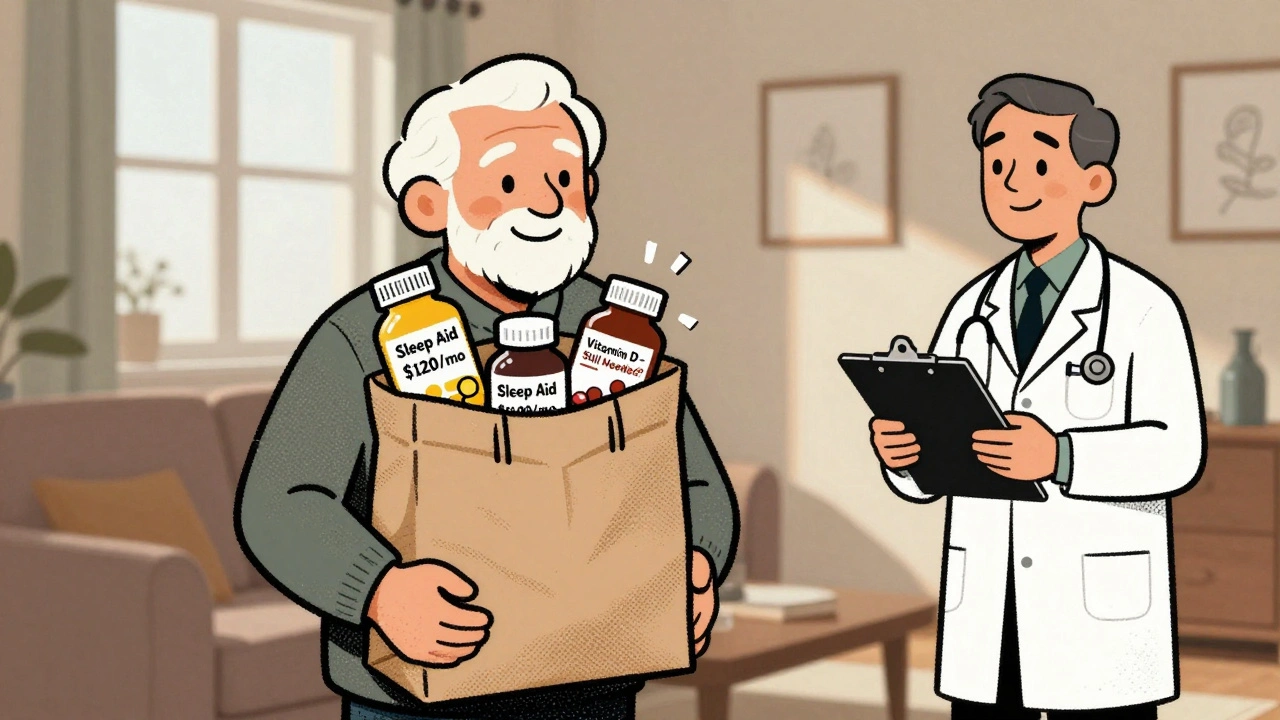
Learn how to work with your doctor to safely stop unnecessary medications, reduce side effects, and save hundreds or thousands of dollars a year on prescriptions. Deprescribing isn't quitting - it's smarter care.
View More