
When your brain doesn’t make enough dopamine, a neurotransmitter that controls movement, motivation, and reward. Also known as neurotransmitter replacement, it’s not just about feeling good—it’s about moving, thinking, and functioning at all. Dopamine replacement isn’t a simple pill you pop when you’re low on energy. It’s a carefully tuned medical strategy used mostly for Parkinson’s disease, where nerve cells that produce dopamine die off over time. Without enough dopamine, people struggle with tremors, stiffness, and slow movement. The goal isn’t to boost mood—it’s to restore basic motor control.
Most dopamine replacement therapies don’t give you dopamine directly. That’s because dopamine can’t cross the blood-brain barrier. Instead, treatments use Carbidopa-Levodopa, a combination drug where levodopa is a dopamine precursor that can enter the brain, and carbidopa blocks its breakdown in the body. Once inside the brain, levodopa turns into dopamine. This is the gold standard treatment, used by millions worldwide. But it’s not perfect. Over time, doses can become less predictable, leading to ‘on-off’ episodes where movement suddenly shuts down or spikes. That’s why doctors often pair it with other drugs—like MAO-B inhibitors—that slow dopamine breakdown, or amantadine to smooth out side effects.
Other dopamine-related treatments exist too. Some newer options target dopamine receptors directly, mimicking its action without needing conversion. These are called dopamine agonists. They’re often used early in Parkinson’s or alongside levodopa later. But they come with their own risks: impulse control issues, sudden sleep attacks, and swelling in the legs. Then there are drugs like COMT inhibitors, which extend the life of levodopa in the bloodstream. Each piece of the puzzle matters—timing, dosage, and what else you’re taking. For example, protein-rich meals can block levodopa absorption, just like dairy blocks certain antibiotics. And if you’re on other meds—like antacids or iron supplements—that’s another layer to manage.
Dopamine replacement isn’t just for Parkinson’s. It’s also used in some cases of severe depression, restless legs syndrome, and even certain types of fatigue. But the science behind it is precise. Too much dopamine can cause psychosis. Too little leaves you stuck. The balance is narrow, and it shifts over time. That’s why monitoring isn’t optional—it’s essential. Blood tests don’t measure brain dopamine, so doctors rely on symptoms, movement tests, and patient feedback to adjust treatment.
What you’ll find below are real, practical guides that cut through the noise. You’ll see how Carbidopa-Levodopa actually works in the body, what alternatives exist when it stops being enough, and how other drugs interact with dopamine therapy. There’s no fluff—just clear comparisons, timing tips, and what really helps people day to day. Whether you’re managing your own treatment or supporting someone who is, these posts give you the facts you need to make smarter choices.
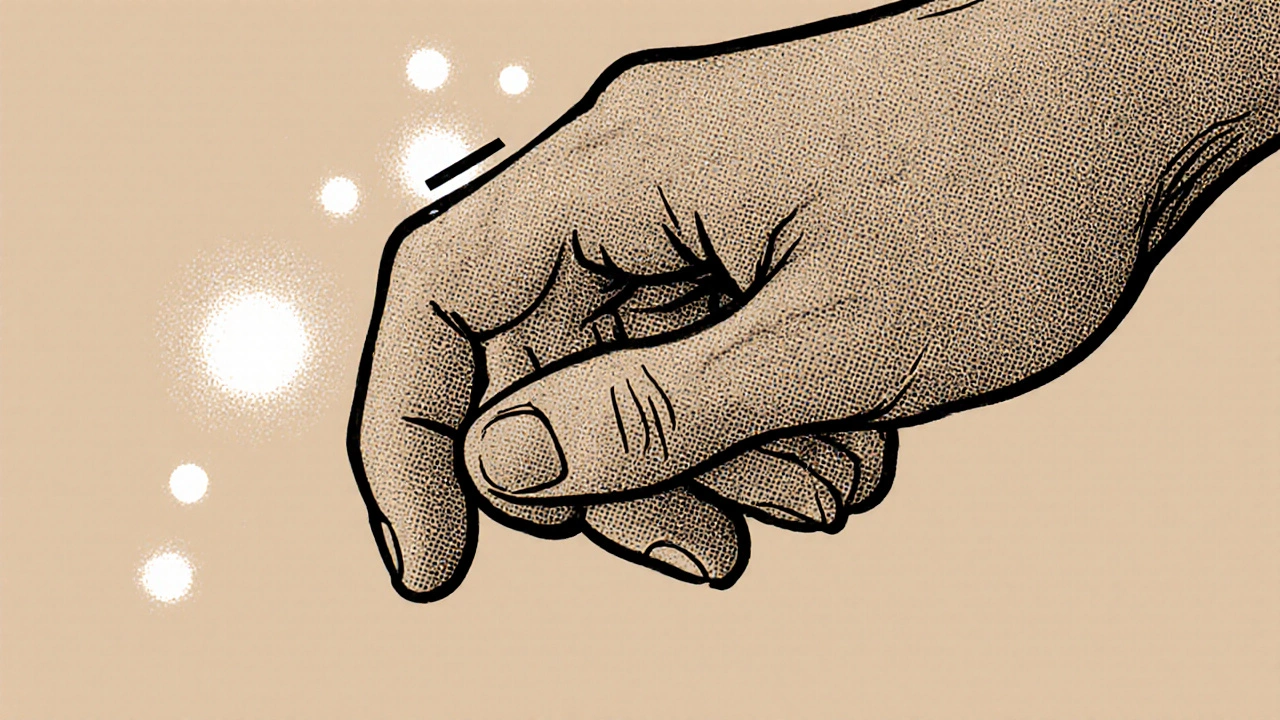
Parkinson’s disease causes tremor, stiffness, and movement problems due to dopamine loss. Dopamine replacement with levodopa helps manage symptoms but doesn’t cure the disease. Long-term use can lead to side effects, requiring careful timing and personalized treatment.
View More