
When HBV reactivation, the sudden return of hepatitis B virus activity after being dormant. Also known as hepatitis B flare, it can turn a quiet infection into a life-threatening liver crisis. This isn’t just a theoretical risk—it’s a documented problem in people taking immunosuppressants, chemotherapy, or even some biologics for autoimmune diseases. The virus hides in your liver cells, often for years, and stays silent until something weakens your immune defenses. Then, it wakes up—and fast.
People with past hepatitis B infection (even if they cleared it) are at risk. That means if you ever tested positive for HBV surface antigen (HBsAg) or even just HBV core antibody (anti-HBc), you could be carrying the virus without knowing it. A simple blood test before starting treatment can catch this. But too often, doctors don’t screen unless the patient has obvious liver disease. That’s a gap. Immunosuppressants, drugs that calm the immune system to treat conditions like rheumatoid arthritis or Crohn’s disease are the biggest trigger. Drugs like rituximab, tumor necrosis factor blockers, and even long-term steroids can cause HBV to rebound. And when it does, it doesn’t just cause fatigue or nausea—it can lead to acute liver failure.
Antiviral therapy, medications like tenofovir or entecavir that suppress hepatitis B virus replication can prevent reactivation if started early. But timing matters. Waiting until symptoms appear is too late. Guidelines now recommend testing for HBV before any major immune-suppressing treatment—and starting antivirals in high-risk patients before the first dose. This isn’t optional. It’s standard care. And yet, many patients still slip through the cracks because they don’t know their HBV status or their doctor doesn’t ask.
It’s not just cancer patients or those on biologics. Even people taking low-dose steroids for allergies or skin conditions have seen reactivation. The risk is real, and it’s silent until it’s too late. That’s why knowing your HBV history matters—even if you think you’re fine. Your liver doesn’t always scream before it breaks.
Below, you’ll find real-world guidance on how to spot the warning signs, what blood tests to ask for, which medications carry the highest risk, and how to work with your doctor to stay safe. These aren’t theoretical tips—they come from cases where people got caught off guard, and from the ones who didn’t.
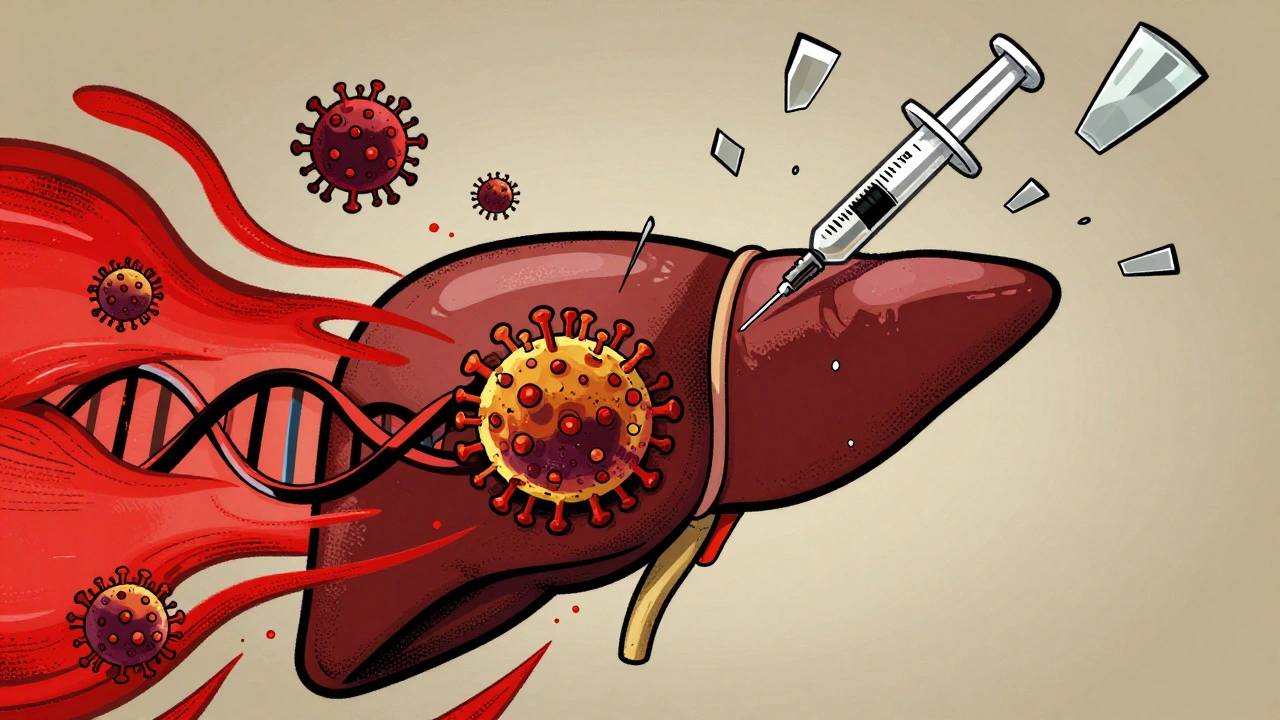
HBV reactivation can cause fatal liver damage during chemotherapy or biologic therapy. Screening for hepatitis B and starting antivirals before treatment can reduce reactivation risk from over 50% to under 5%.
View More