
When you take lithium, a mood-stabilizing medication commonly used to treat bipolar disorder. Also known as lithium carbonate, it helps balance brain chemistry—but the line between therapeutic dose and dangerous overdose is narrow. Even small changes in your body can push lithium into toxic territory. Dehydration, kidney issues, or mixing it with common drugs like NSAIDs or diuretics can cause levels to spike without you realizing it.
Lithium blood levels, the key measure doctors use to monitor safety. Also known as serum lithium concentration, should stay between 0.6 and 1.2 mEq/L. Above 1.5, you’re in danger. Above 2.0, it becomes a medical emergency. Symptoms start quietly: hand tremors, nausea, dizziness. Then come more serious signs—confusion, muscle weakness, irregular heartbeat, even seizures. Many people mistake early toxicity for side effects or the flu. That’s why regular blood tests aren’t optional—they’re lifesaving. Bipolar medication, a category that includes lithium as one of the oldest and most studied options. Also known as mood stabilizers, these drugs require careful management because they don’t just affect your mood—they impact your kidneys, thyroid, and electrolytes. If you’re on lithium, you’re not just managing a mental health condition—you’re managing your entire system’s balance.
What makes lithium so tricky is how easily it builds up. Skip a meal, sweat heavily during a workout, take ibuprofen for a headache, or get sick with the flu—all of these can raise lithium levels. Some people think if they feel fine, they’re safe. But toxicity doesn’t always come with obvious warning signs until it’s too late. That’s why the most important thing isn’t just taking the pill—it’s knowing when to call your doctor. If your hands shake more than usual, you feel dizzy after standing, or your stomach won’t settle, don’t wait. Get checked.
Below, you’ll find real-world guides that dig into the hidden risks, drug interactions, and practical steps to avoid lithium toxicity. From how common medications interfere with lithium to what your kidneys are telling you through lab results, these posts give you the tools to stay in control—not just take the pill and hope for the best.
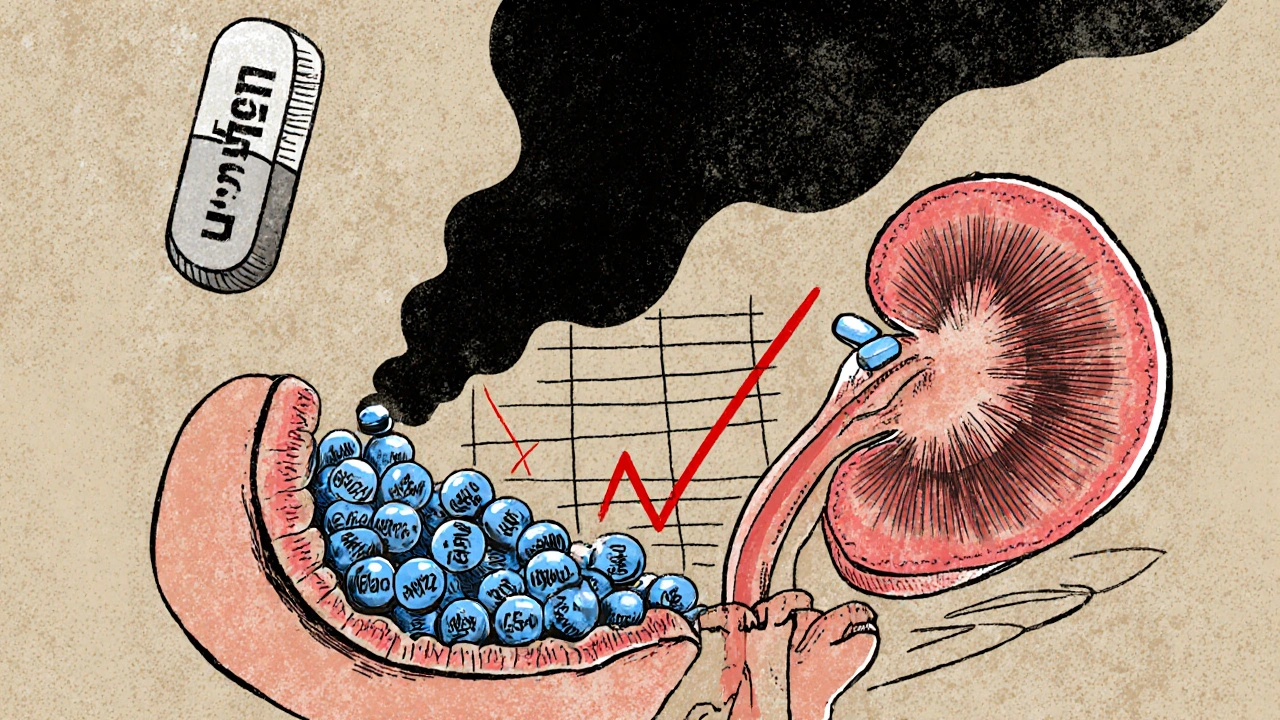
Lithium is effective for bipolar disorder but dangerous when combined with common drugs like diuretics and NSAIDs. Learn how these interactions raise toxicity risk and what steps to take to stay safe.
View More