
When someone has Parkinson's disease, a progressive nervous system disorder that impairs movement by lowering dopamine levels in the brain. Also known as paralysis agitans, it causes tremors, stiffness, and trouble with balance—often starting so slowly people don’t notice until it’s advanced. This isn’t just aging. It’s the brain’s dopamine-producing cells dying off, and no cure exists yet. But treatments? They’ve gotten way better.
The most common drug, Carbidopa-Levodopa, a combination that delivers dopamine precursor to the brain while blocking its breakdown in the bloodstream, is still the gold standard. It doesn’t stop the disease, but it lets people walk, talk, and live more normally for years. Yet it’s not perfect—side effects like nausea, dizziness, and later, uncontrollable movements, show up for many. That’s why doctors sometimes add MAOIs, a class of drugs that slow the breakdown of dopamine in the brain, boosting its effect. But MAOIs come with strict rules: no aged cheese, cured meats, or certain painkillers. One wrong bite or pill can spike blood pressure dangerously. People on these meds need to be careful, not just cautious.
There’s more to Parkinson’s than pills. Exercise isn’t just helpful—it’s part of the treatment plan. Studies show walking, biking, or even dancing can slow decline better than some drugs. And while supplements and alternative therapies flood the market, few have solid proof. What does work? Clear, science-backed approaches: the right drug combo, timing doses right, and staying active. The posts below cover exactly that—how Carbidopa-Levodopa crosses the blood-brain barrier, why MAOIs need dietary discipline, and what alternatives exist when the main drugs stop working or become too much to handle. No fluff. No hype. Just what you need to know to manage this condition, day by day.
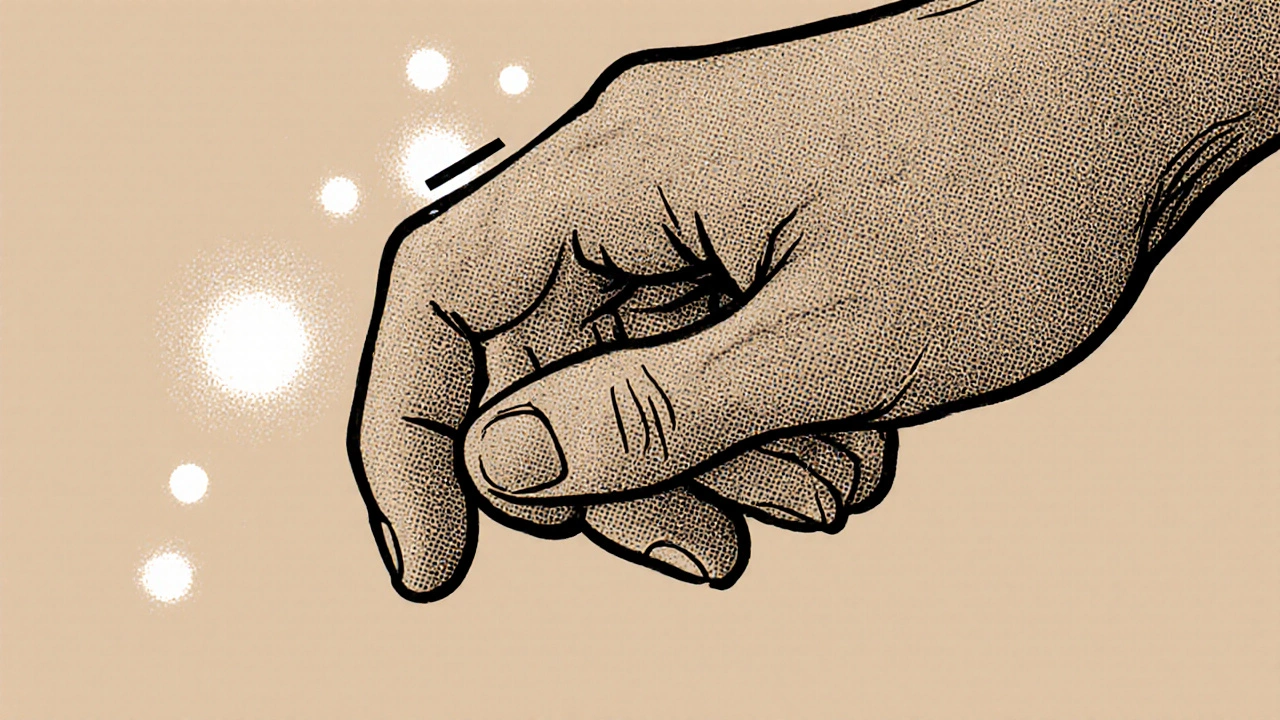
Parkinson’s disease causes tremor, stiffness, and movement problems due to dopamine loss. Dopamine replacement with levodopa helps manage symptoms but doesn’t cure the disease. Long-term use can lead to side effects, requiring careful timing and personalized treatment.
View More