
When you need to reduce medication costs, it’s not just about coupons or pharmacy discounts—it’s about understanding how the system works. The generic drugs, lower-cost versions of brand-name medications approved by the FDA after patents expire are the backbone of affordable care in the U.S. Thanks to the Hatch-Waxman Act, a 1984 law that streamlined approval for generics while protecting brand drug patents, thousands of generics hit the market, driving prices down by 80% or more. But not all generics are created equal. After the first generic enters, others follow fast—triggering price wars that can drop a $500 pill to under $10. Still, manufacturing problems, global supply chains, and profit margins often leave patients waiting—or paying more than they should.
Then there’s the next wave: biosimilars, highly similar versions of complex biologic drugs like Humira or Enbrel. These aren’t simple copies like generics—they’re engineered to match intricate protein-based medicines. Biosimilars can cut costs by up to 85% on list prices, yet most patients still pay full price because insurers and pharmacies often favor the original drug through rebate deals. Meanwhile, drug shortages, often caused by just two countries producing most active ingredients and low profit margins, force pharmacies to switch to pricier alternatives or delay refills. When a common antibiotic or blood pressure med disappears, your out-of-pocket cost can spike overnight. And if you’re on a chronic medication like lithium, diabetes drugs, or immunosuppressants, even a small change in formulation or availability can be risky.
You don’t need to be a pharmacist to fight back. Knowing when a generic is available, checking the FDA’s drug shortage database, or asking your pharmacist about biosimilar options can save hundreds a month. Many people don’t realize that authorized generics—same drug, same factory, cheaper price—are often sitting on shelves right next to the brand version. Others miss out because they assume all generics are slow to arrive, not knowing that tentative FDA approval doesn’t mean the drug won’t launch—it just means patent lawsuits are holding it up. The real savings come from asking the right questions: Is there a generic? Is there a biosimilar? Is this drug on shortage? And most importantly—why am I paying this much?
The posts below break down exactly how these systems work—what causes price drops, why some drugs stay expensive even after patents expire, how to spot when a cheaper alternative is available, and what to do when your medication disappears. You’ll find real-world examples, insider details on FDA processes, and clear advice on navigating the system without getting caught in the middle. This isn’t theory. It’s what you need to know to pay less and get what you need.
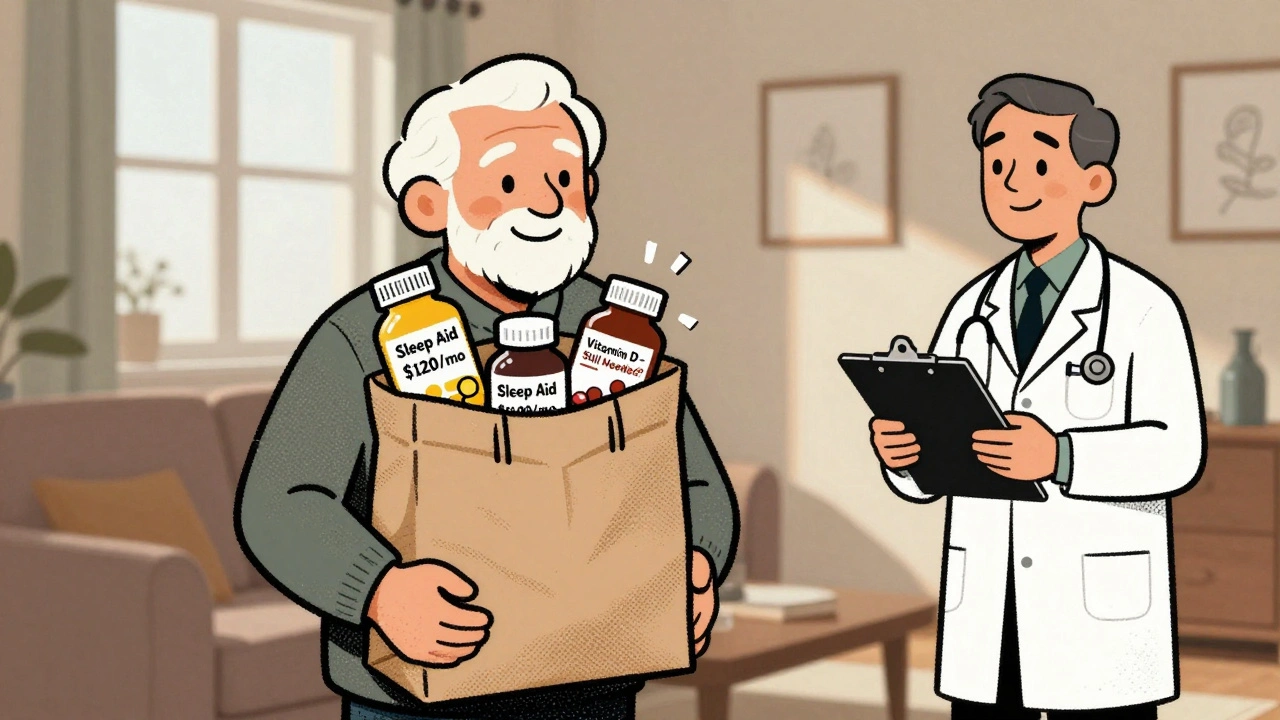
Learn how to work with your doctor to safely stop unnecessary medications, reduce side effects, and save hundreds or thousands of dollars a year on prescriptions. Deprescribing isn't quitting - it's smarter care.
View More