When a patient gets a biosimilar instead of the original biologic drug, how do doctors and regulators know if something goes wrong? It’s not like switching from brand-name aspirin to a generic version. Biosimilars are made from living cells - not chemicals - and even tiny differences in how they’re made can affect how the body reacts. That’s why safety monitoring for biosimilars isn’t just a formality. It’s a complex, high-stakes system designed to catch rare but serious side effects before they become widespread.
Why Biosimilars Need Special Safety Tracking
Biosimilars are designed to be as close as possible to their reference biologics - drugs like Humira, Enbrel, or Remicade. But because they’re made from proteins produced by living cells, they can’t be exact copies. Even small changes in manufacturing - different cell lines, fermentation conditions, or purification steps - can lead to subtle structural differences. These differences might not show up in clinical trials, but they can trigger immune responses in some patients. That’s why immunogenicity is the biggest concern. A biosimilar might cause more antibodies to form than the original drug, which could reduce its effectiveness or lead to dangerous reactions like infusion reactions, anaphylaxis, or even autoimmune-like conditions. Unlike small-molecule generics, where chemical identity is clear, biosimilars need ongoing surveillance to prove they’re just as safe in the real world.How Adverse Events Are Reported Around the World
Every country has its own system for collecting reports of bad reactions. In the U.S., it’s the FDA’s FAERS database. In Europe, it’s EudraVigilance. Canada uses the Canada Vigilance Program. These systems rely on spontaneous reports - doctors, pharmacists, or even patients reporting side effects after a drug is on the market. But here’s the problem: if a patient gets a biosimilar called Amjevita and has a reaction, but the doctor only writes down "adalimumab," there’s no way to know if it was the reference product (Humira) or the biosimilar. That’s why product identification matters. The FDA introduced unique four-letter suffixes in 2017 - like "-abp21" for Amjevita - to help track which product caused what. But many U.S. doctors still don’t use them. A 2022 survey found 63% of physicians were confused about how to document biosimilar use. In contrast, Health Canada requires reporting by brand name and manufacturer, and since 2023, they’ve made it mandatory to include the exact manufacturer and lot number in every report. Miss that, and you could face a $500,000 penalty.Active Surveillance: Going Beyond Spontaneous Reports
Spontaneous reporting is essential, but it’s passive. It depends on people remembering to report. That’s why active surveillance systems are becoming critical. The FDA’s Sentinel Initiative, launched in 2008, scans millions of electronic health records and insurance claims to look for patterns. If a spike in liver enzyme elevations shows up among patients on a specific biosimilar, the system flags it - even if no one filed a formal report. In Europe, the EMA launched VigiLyze in 2022 - an AI tool that scans 1.2 million new safety reports each year. It uses machine learning to spot signals that humans might miss. Early results show it identifies true safety signals with 92.4% accuracy. These systems don’t just look at lab values or diagnosis codes. They analyze unstructured clinical notes. If a rheumatologist writes, "Patient developed rash after switching to biosimilar last week," natural language processing tools can pull that out and add it to the signal pool.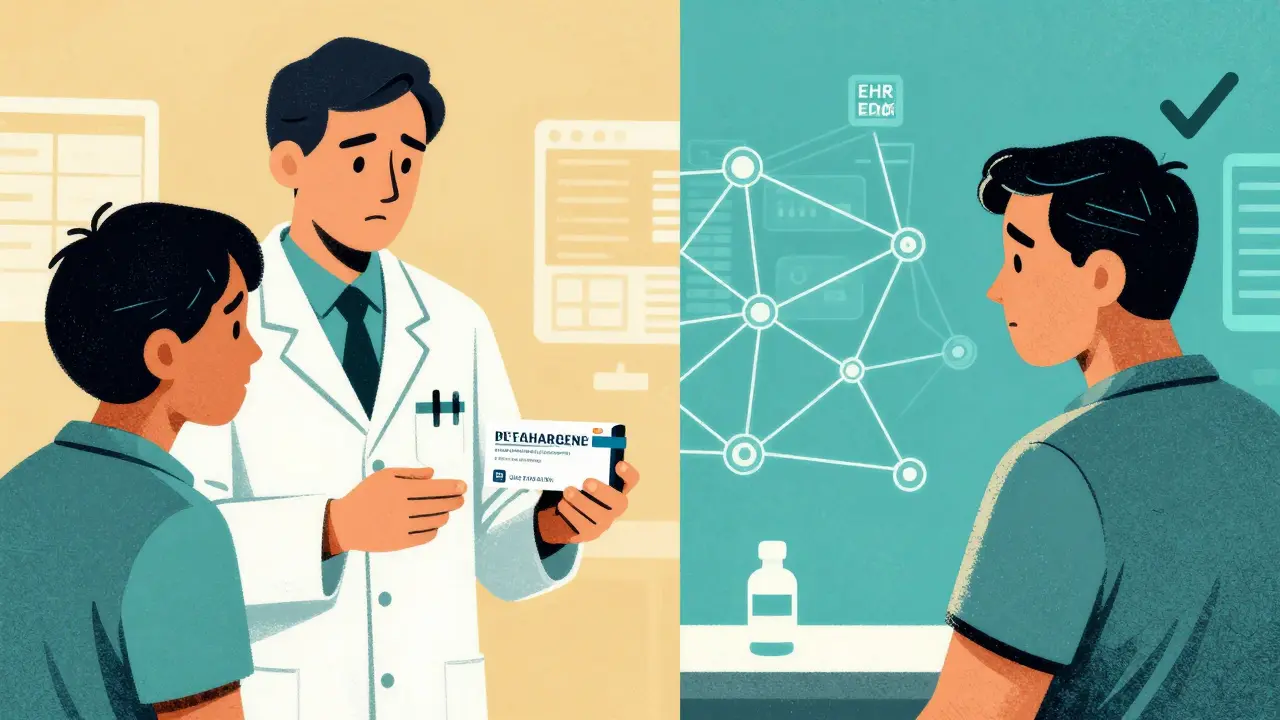
What Happens When a Signal Is Found
Once a potential safety issue is flagged, the next step is investigation. Regulators compare the biosimilar’s adverse event profile with the reference product. Is the reaction rate higher? Is it happening more often in certain patient groups? Is it linked to a specific lot number? If a pattern emerges, the manufacturer must respond. They might be required to update their Risk Management Plan (RMP), which every biosimilar must submit before approval. These plans include detailed strategies for monitoring immunogenicity - like mandatory antibody testing at 3, 6, and 12 months after starting treatment. In extreme cases, regulators can issue safety alerts, restrict use, or even pull the product. But so far, no biosimilar has been removed from the market in the U.S. or EU for safety reasons alone. Most issues have been minor and resolved with labeling changes or better provider education.Real-World Data Shows Biosimilars Are Safe - But Underreporting Is a Problem
A 2016 Danish study looked at all adverse event reports for biosimilars in 2015. The conclusion? No difference in safety compared to the reference products. The same pattern holds in Canada. In 2022, biosimilar-specific reports made up only 0.7% of total biologic reports - even though biosimilars were used in over 15% of biologic prescriptions. That gap suggests underreporting. In the U.S., IQVIA found biosimilar reports made up just 0.3% of biologic reports, despite accounting for 8.7% of prescriptions. Why? Because many patients don’t know they’re on a biosimilar. A 2022 Arthritis Foundation survey found 41% of patients treated with biosimilars couldn’t say which product they received. Pharmacists sometimes substitute without telling the patient or doctor. And if the patient doesn’t know the name, they can’t report it accurately.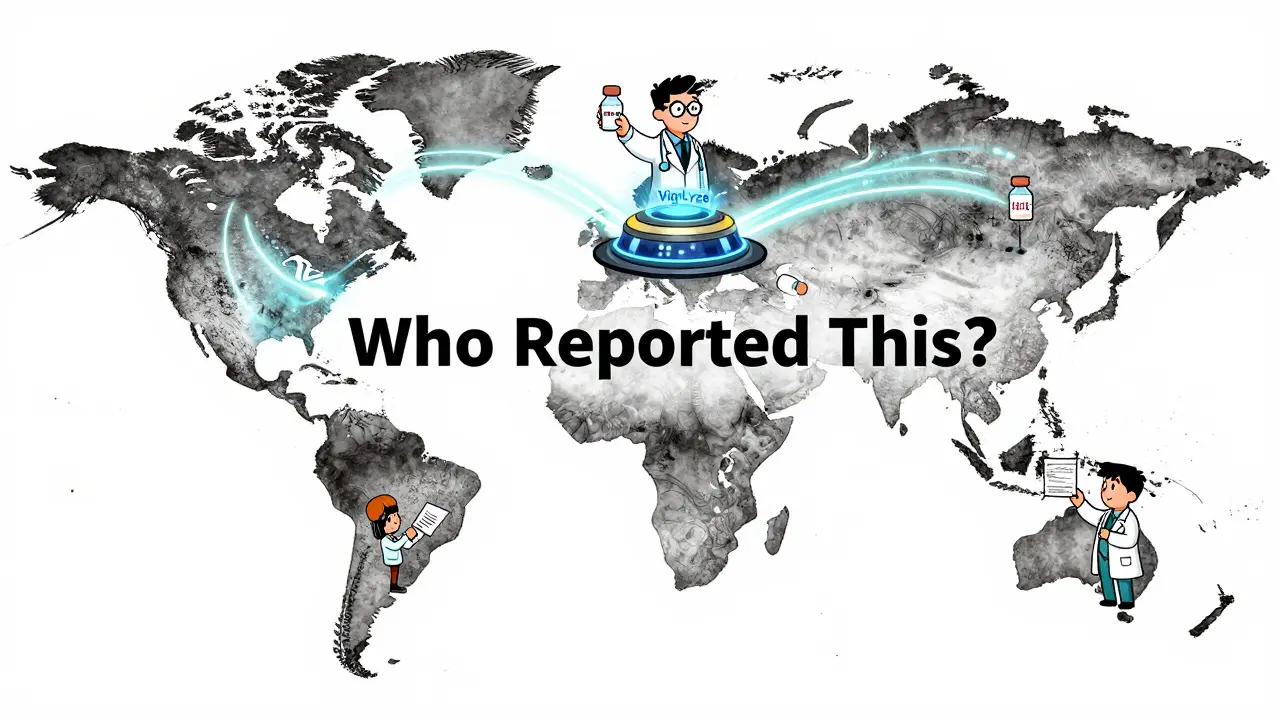
Challenges in the Healthcare System
The biggest barrier isn’t science - it’s systems. Most electronic health records (EHRs) weren’t built to track biosimilars. A 2022 HIMSS survey showed only 42.6% of U.S. hospitals could reliably capture the manufacturer and lot number in their records. Pharmacists are also undertrained. A 2021 study found only 37.8% of U.S. pharmacists knew what information was required to report a biosimilar adverse event correctly. In Spain, where mandatory biosimilar identification was added to EHRs in 2020, reporting accuracy jumped from 58% to 92%. Training is slow. Updating software is expensive. A mid-sized company spending $250,000 to $500,000 to integrate AI tools into their safety system isn’t unusual. And that’s just for one product.What’s Next for Biosimilar Safety Monitoring
The number of biosimilars is exploding. In 2022, the U.S. approved 10 new ones. By 2028, the global market is expected to hit $34.9 billion. That means more drugs, more manufacturers, more confusion. The World Health Organization warns that current systems won’t handle 300+ biosimilars targeting just 30 reference products by 2030. They’re pushing for a global unique identifier system - like a barcode for biologics - that tracks every batch from factory to patient. Pilot studies in Switzerland show this could cut attribution errors by 73.5%. Regulators are also working on standardizing how immunogenicity is measured. Right now, there’s no universal test. One lab might check for anti-drug antibodies at week 12. Another waits until week 24. Without consistency, comparing data across countries is nearly impossible. The future lies in integration: linking EHRs, pharmacy systems, patient apps, and regulatory databases in real time. Imagine a patient getting a biosimilar injection - the lot number is scanned, the EHR auto-updates, the pharmacist gets a notification if a safety alert is issued, and the patient receives a text asking how they’re feeling. That’s not science fiction. It’s the next step.What Patients and Providers Should Do Now
If you’re a patient: Always ask what drug you’re getting. Write down the brand name and manufacturer. Keep a record. If you have a reaction, report it - and make sure you specify the exact product. If you’re a provider: Always document the full name - including the suffix if it’s a U.S. biosimilar. Don’t rely on "adalimumab" or "infliximab." Use the exact product name. Train your staff. Push your hospital to update its EHR system. If you’re a pharmacist: Don’t substitute without informing the prescriber and patient. Document the change. It’s not just good practice - it’s the law in Canada and becoming standard in the EU. The system works - but only if everyone plays their part. Safety isn’t just the regulator’s job. It’s everyone’s.Are biosimilars safer than reference biologics?
There’s no evidence that biosimilars are safer or less safe than their reference products. Large-scale studies and real-world data from Europe, Canada, and the U.S. show comparable safety profiles. The goal of monitoring isn’t to prove biosimilars are safer - it’s to confirm they’re just as safe. So far, they are.
Why do biosimilars have four-letter suffixes in the U.S.?
The FDA added four-letter suffixes in 2017 to help distinguish biosimilars from their reference products in safety reports and pharmacy records. For example, Amjevita is adalimumab-abp21. This helps track which product caused an adverse event. But many providers still don’t use them consistently, which undermines the system’s effectiveness.
Can I report an adverse event if I’m not a doctor?
Yes. Patients and caregivers can and should report adverse events. In the U.S., you can file a report directly with the FDA through MedWatch. In Canada, use the Canada Vigilance Online Reporting Tool. Your report helps regulators spot patterns that might otherwise go unnoticed.
What’s the biggest risk with biosimilars?
The biggest risk is immunogenicity - the body producing antibodies against the drug. This can make the treatment less effective or cause allergic reactions. It’s rare, but hard to detect without active monitoring. That’s why tracking lot numbers and patient responses over time is so important.
Why is underreporting such a big issue?
If only 1 in 10 adverse events are reported, regulators can’t detect small but real differences between products. A 0.1% increase in severe reactions might be missed entirely. That’s why improving reporting - through better labeling, patient education, and automated systems - is critical to long-term safety.
Will biosimilars ever be as easy to track as generics?
Not in the same way. Generics are chemically identical, so tracking isn’t needed. Biosimilars are biological products - complex, variable, and sensitive to manufacturing changes. They’ll always require more detailed tracking. But with better technology and global standards, we can get close to seamless, accurate monitoring - just not identical to how we track aspirin.