
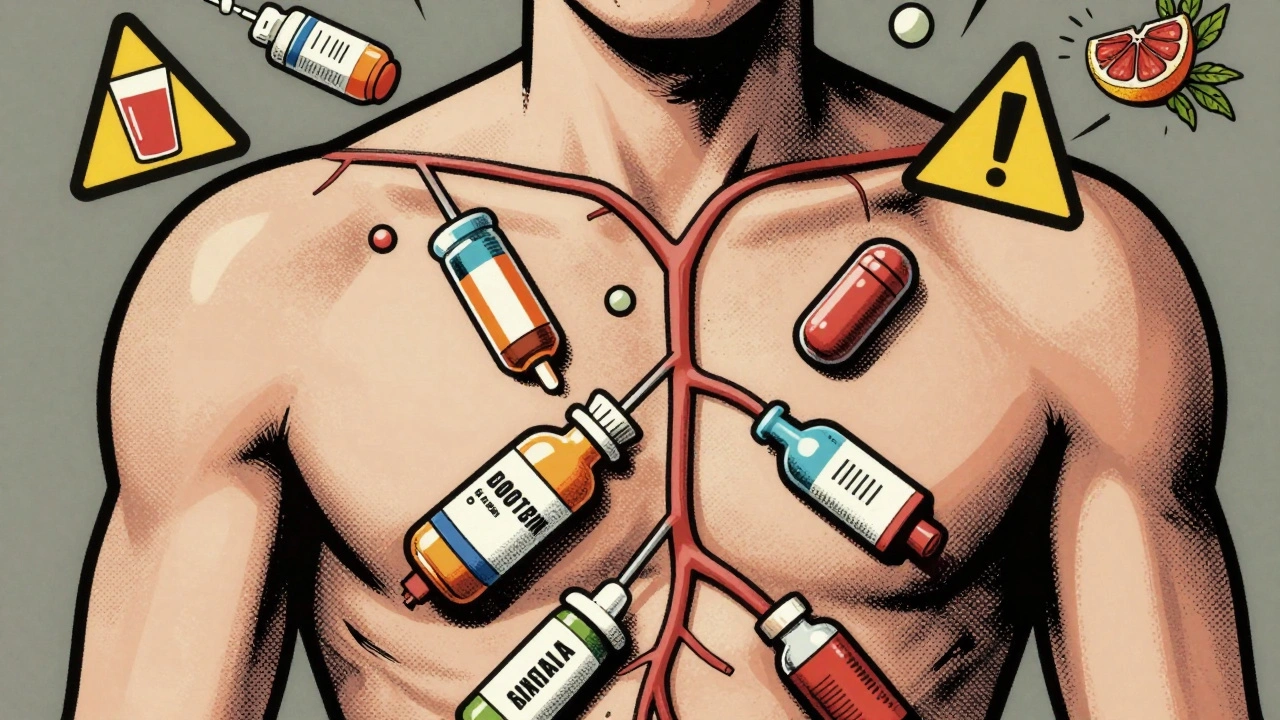
When someone is diagnosed with cancer, one of the first things they hear is chemotherapy. It’s not just a word-it’s a powerful, complex treatment that can save lives, but it doesn’t work in a vacuum. Every pill, every IV drip, every injection interacts with other medications, foods, supplements, and even your body’s own chemistry. For cancer patients, understanding these interactions isn’t optional-it’s critical.
How Chemotherapy Actually Works
Chemotherapy isn’t one drug. It’s a whole family of over 100 different compounds, each designed to attack cancer cells in a specific way. Some, like doxorubicin and daunorubicin, are anthracyclines that stick to DNA and stop cells from copying themselves. Others, like methotrexate, block the enzymes cancer needs to build new DNA. Cyclophosphamide, an alkylating agent, damages DNA directly so the cell can’t repair itself.
These drugs don’t just target cancer. They hit any fast-dividing cell-hair follicles, gut lining, bone marrow. That’s why side effects like hair loss, nausea, and low blood counts happen. The goal? Kill enough cancer cells to shrink tumors or wipe them out entirely. For some cancers, like acute lymphoblastic leukemia or testicular cancer, chemotherapy can be curative. For others, like advanced pancreatic cancer, it’s about buying time and easing symptoms.
Doctors rarely use just one drug. Most regimens combine two or three, like the BEP protocol (bleomycin, vinblastine, cisplatin) for testicular cancer. Why? Because hitting cancer from multiple angles reduces the chance it will evolve resistance. Studies show combination therapy works better than single drugs in about 70% of cases.
Why Drug Interactions Are a Big Deal
Most cancer patients aren’t just on chemotherapy. They’re also taking medications for high blood pressure, diabetes, depression, acid reflux, or pain. They might be using herbal supplements like turmeric or ginger, or over-the-counter painkillers like ibuprofen. Even something as simple as grapefruit juice can change how chemotherapy works.
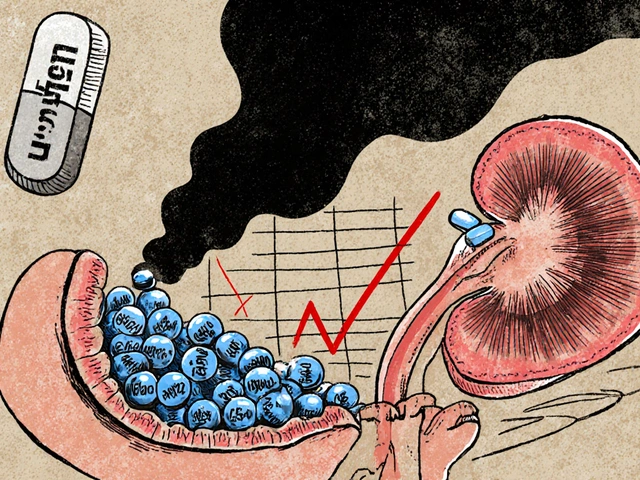
Here’s the problem: chemotherapy drugs are processed by the liver using enzymes called CYP450. Many common drugs either block or speed up these enzymes. If a patient takes a drug that blocks the enzyme breaking down doxorubicin, the chemo builds up to toxic levels-increasing heart damage risk. If another drug speeds up the breakdown of cyclophosphamide, it might not work at all.
One well-documented interaction: St. John’s Wort, a popular herbal supplement for depression, can reduce the effectiveness of several chemotherapy drugs, including irinotecan and imatinib. Patients often don’t tell their oncologists they’re taking it-thinking it’s “natural” and safe. But natural doesn’t mean harmless.
Another major concern: NSAIDs like ibuprofen or naproxen. These are often used for chemo-related pain or fever, but they can increase bleeding risk when combined with drugs like cisplatin or ifosfamide that lower platelet counts. Even acetaminophen, usually considered safe, can stress the liver when paired with drugs like methotrexate.
Oral Chemo and the Adherence Problem
More chemotherapy drugs are now available as pills-like capecitabine, temozolomide, or lenalidomide. This sounds convenient, but it creates a new danger: missed doses.
Studies show 20-30% of patients miss at least one dose of oral chemo. Why? Side effects are unpredictable. One day they feel fine; the next, they’re too nauseated to swallow a pill. Or they forget because their brain is foggy from treatment. Some stop because they can’t afford it. Others think, “If I feel okay, I don’t need it.”
But chemotherapy isn’t like antibiotics. Missing a dose doesn’t just delay healing-it can let cancer cells survive and become resistant. A 2023 study in the Journal of Oncology Pharmacy Practice found that patients who missed more than two doses of oral chemo had a 40% higher risk of disease progression.
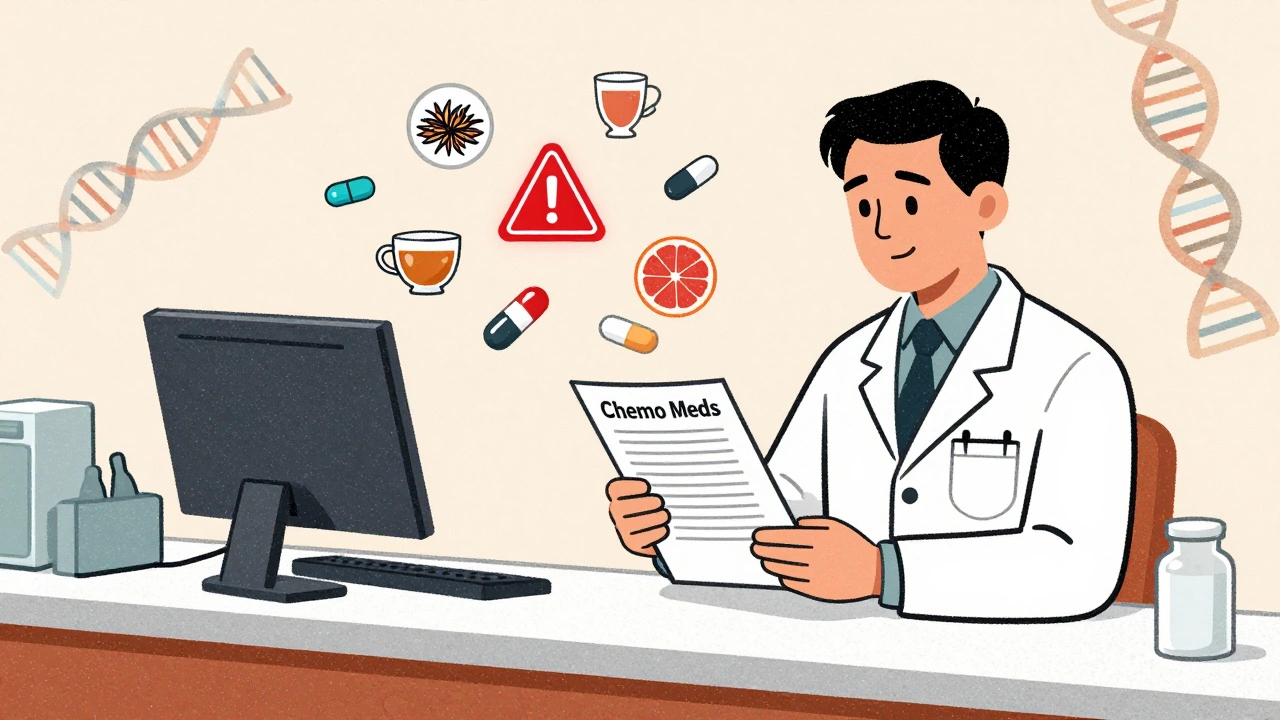
That’s why pharmacists now play a key role. In 98% of U.S. cancer centers, a board-certified oncology pharmacist reviews every chemo prescription-checking for interactions, adjusting doses based on kidney or liver function, and flagging risky combinations before the patient even gets the script.
What Patients Need to Tell Their Doctor
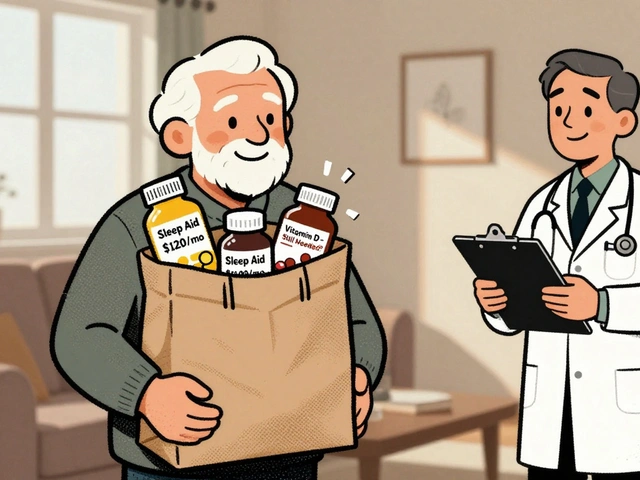
Don’t assume your oncologist knows what you’re taking. You need to list everything:
- All prescription drugs-even those from other specialists
- All over-the-counter meds, including cold remedies and antacids
- All vitamins, minerals, and supplements-even fish oil or probiotics
- All herbal remedies, teas, and traditional medicines
- All recreational drugs, including alcohol and marijuana
Even “harmless” things matter. For example, vitamin K can interfere with blood thinners, which might be prescribed after surgery. High-dose vitamin C can reduce the effectiveness of certain chemo drugs in lab studies. Turmeric, while anti-inflammatory, can increase bleeding risk during surgery or with drugs like paclitaxel.
And don’t forget about food. Grapefruit and Seville oranges block an enzyme called CYP3A4 that breaks down many chemo drugs, including docetaxel and erlotinib. Eating them can cause dangerous drug buildup. Pomegranate juice? Same issue. Green tea? It may interfere with bortezomib.
Special Populations: Older Adults and Those With Other Conditions
Chemotherapy isn’t one-size-fits-all. Older adults often have other health problems-kidney disease, heart failure, diabetes-and their bodies process drugs differently. A dose that’s safe for a 40-year-old might be toxic for a 75-year-old.
Also, patients with liver or kidney disease need dose adjustments. Irinotecan, for example, is broken down by the liver. If someone has cirrhosis, the drug stays in the body too long, increasing severe diarrhea and low blood counts. Gemcitabine is cleared by the kidneys. If kidney function is low, the drug accumulates and causes dangerous toxicity.
Genetics matter too. Some people have a genetic variant in the UGT1A1 gene that slows down the breakdown of irinotecan. Without testing, they’re at high risk for life-threatening neutropenia. That’s why testing for UGT1A1 is now standard before starting irinotecan.
Another group at risk: patients on multiple medications for chronic conditions. A 2023 study in JAMA Oncology found that cancer patients taking five or more other drugs had a 60% higher chance of a dangerous drug interaction than those on fewer meds.
What’s New: Safer, Smarter Chemotherapy
Science isn’t standing still. Newer approaches are making chemotherapy smarter and less toxic.
One breakthrough is antibody-drug conjugates (ADCs). Drugs like sacituzumab govitecan (Trodelvy) attach chemotherapy directly to antibodies that target cancer cells. This means the chemo goes mostly where it’s supposed to-reducing damage to healthy tissue. In triple-negative breast cancer, Trodelvy improved survival with fewer side effects than traditional chemo.
Another innovation: using circulating tumor DNA (ctDNA) to decide how long chemo lasts. In a 2023 trial for stage II colon cancer, doctors used blood tests to detect leftover cancer DNA after surgery. If none was found, they stopped chemo early. This cut unnecessary treatment by 32% without hurting outcomes.
Even simpler: electronic prescribing systems. Most major cancer centers now use software that flags dangerous drug combinations in real time. If a doctor tries to prescribe a statin with a chemo drug known to cause muscle damage, the system warns them. But not all clinics have this tech-especially in rural areas-creating a safety gap.
Real-Life Consequences: Stories From the Front Lines
One patient, a 62-year-old woman with breast cancer, was taking a common heart medication called amiodarone. Her oncologist didn’t know it could interact with doxorubicin, increasing the risk of heart failure. She made it through chemo-but her heart never fully recovered.
Another, a 58-year-old man with lung cancer, took melatonin to help him sleep. Unbeknownst to him, melatonin can interfere with the metabolism of paclitaxel. His tumor didn’t shrink as expected. When his doctor checked his meds, they found the culprit.
On the flip side, a 70-year-old woman with ovarian cancer started working with a pharmacist who reviewed all her meds. They stopped her from taking a popular herbal blend that was reducing her chemo’s effectiveness. Her tumor responded better than expected.
These aren’t rare cases. They’re everyday realities.
What You Can Do Right Now
If you or someone you love is on chemotherapy:
- Make a complete list of every medication, supplement, and herbal product you take-including dosages and frequency.
- Bring that list to every appointment-don’t rely on memory.
- Ask: “Could this interact with my chemo?” Don’t assume it’s safe because it’s natural or over-the-counter.
- Use one pharmacy for all prescriptions. Pharmacists can track interactions better than multiple pharmacies.
- Never start or stop anything without talking to your oncology team.
- Ask if you need genetic testing before starting certain chemo drugs (like irinotecan or tamoxifen).
And if you’re a caregiver: keep track of doses, watch for side effects, and speak up if something feels off. Chemo isn’t just about the drug-it’s about the whole system around it.
Final Thought: Chemotherapy Isn’t Going Away
Yes, targeted therapies and immunotherapies are growing fast. But chemotherapy still forms the backbone of treatment for most cancers. It’s used in 78% of early-stage solid tumors. It’s the only option for many. And when combined with newer drugs, it’s more powerful than ever.
The key isn’t to avoid chemo-it’s to use it wisely. With the right precautions, the right team, and the right communication, chemotherapy can still be one of the most effective tools we have against cancer.
Can I take over-the-counter painkillers while on chemotherapy?
Some are safe, others aren’t. Acetaminophen (Tylenol) is usually okay for mild pain, but avoid NSAIDs like ibuprofen or naproxen unless your doctor says yes-they can increase bleeding risk or stress your kidneys, especially with drugs like cisplatin or cyclophosphamide. Always check with your oncology team before taking anything new.
Is it safe to use herbal supplements during chemo?
Most are not. Supplements like St. John’s Wort, echinacea, garlic, and turmeric can interfere with how chemotherapy is processed by your liver or affect your blood counts. Even antioxidant supplements like high-dose vitamin C may reduce chemo effectiveness. Never take them without your oncologist’s approval.
Why do some people need genetic testing before starting chemo?
Some people have gene variants that make them process chemo drugs too slowly or too quickly. For example, if you have a UGT1A1 gene variant, you’re at high risk for severe side effects from irinotecan. Testing helps doctors adjust your dose to avoid life-threatening toxicity. It’s standard before starting certain drugs like irinotecan or tamoxifen.
Can grapefruit juice affect chemotherapy?
Yes. Grapefruit and Seville oranges block enzymes in your liver that break down many chemo drugs, including docetaxel, erlotinib, and others. This causes the drug to build up in your blood, increasing side effects. Avoid grapefruit products entirely during chemo unless your doctor says otherwise.
What should I do if I miss a dose of oral chemotherapy?
Don’t double up. Call your oncology team immediately. Missing a dose can reduce treatment effectiveness and increase resistance risk. Your team will tell you whether to skip the dose, take it late, or adjust your schedule. Never guess-always ask.
How do I know if my chemotherapy is interacting with another drug?
Your oncology pharmacist reviews all your meds before each treatment. But you should also keep a full list and share it at every visit. Signs of an interaction include sudden worsening of side effects-unusual fatigue, bleeding, severe diarrhea, or heart palpitations. Report anything new or unusual right away.
Are there foods I should avoid while on chemotherapy?
Yes. Avoid grapefruit, Seville oranges, and pomegranate juice. Limit alcohol-it can worsen liver damage from chemo. Avoid raw or undercooked foods if your immune system is low. Stay hydrated and eat balanced meals, but don’t rely on “superfoods” to boost treatment-focus on consistency and safety.
Next Steps: Stay Informed, Stay Safe
Chemotherapy is complex, but you don’t have to navigate it alone. Work with your oncology team-especially your pharmacist. Ask questions. Keep records. Don’t assume anything is safe just because it’s natural or sold over the counter. Your treatment plan is a team effort, and every detail matters.
Emma Sbarge
December 13, 2025 AT 17:57Chemotherapy isn't magic. It's a blunt instrument, and if you're not careful, it'll wreck you instead of the cancer. I've seen too many people die because they thought 'natural' meant safe. St. John’s Wort? Turmeric? Stop it. Your oncologist didn't go to med school to hear your wellness blog recommendations.
Deborah Andrich
December 15, 2025 AT 08:32I’m a nurse in oncology and I can tell you the biggest killer isn’t the chemo-it’s the silence. Patients don’t tell us about the supplements, the CBD oil, the grapefruit juice they drink every morning. One guy took melatonin for sleep and his tumor didn’t budge. Turned out it was blocking his chemo metabolism. We found out because his wife finally spoke up. Don’t be that person.
Tommy Watson
December 15, 2025 AT 23:07ok but like… why are we still using chemo in 2025? like i get it’s old school but come on. we got lasers and gene editing and shit. why are people still getting their guts wrecked by poison? also i took ibuprofen once during chemo and i lived so… maybe the docs are just being extra?
Donna Hammond
December 17, 2025 AT 00:37Tommy, you’re not wrong to question it-but you’re dangerously misinformed. Chemo still saves lives because it’s broad-spectrum. Targeted therapies only work if your tumor has the exact mutation. Most don’t. And ibuprofen isn’t 'safe'-it’s a gamble. Cisplatin + NSAID = bleeding risk. Methotrexate + acetaminophen = liver overload. This isn’t about being 'extra.' It’s about survival. I’ve watched patients die because someone thought 'it’s just a pill.' Don’t gamble with your life.
Richard Ayres
December 18, 2025 AT 09:47This is one of the most comprehensive and clinically accurate summaries of chemotherapy interactions I’ve seen in a public forum. The emphasis on pharmacist involvement is critical-too many patients are discharged without proper medication reconciliation. The data on oral chemo non-adherence and its link to disease progression is especially compelling. I hope this reaches every oncology clinic, especially in underserved areas.
Sheldon Bird
December 19, 2025 AT 07:15Just had my 3rd round of chemo. Took a nap after my infusion, woke up, took my pill. Forgot I was supposed to skip it that day. Called my pharmacist. She didn’t yell. Just said 'next time, text me.' I did. She’s my hero. Also-no grapefruit. Ever. Even the smell makes me nervous now. 🙏
Karen Mccullouch
December 21, 2025 AT 06:44My husband died because his oncologist didn’t check his meds. He was on warfarin, took turmeric for 'inflammation,' and bled out in his sleep. They didn’t even test his liver enzymes. This isn’t 'medical advice'-it’s negligence. If you’re not asking for a full med review, you’re signing a death warrant. And no, 'natural' doesn’t mean 'safe.' That’s a scam sold by people who don’t want you to die on their watch.
Michael Gardner
December 22, 2025 AT 03:17Everyone’s panicking about interactions, but what about the fact that chemo itself is often ineffective? I’ve seen patients on six different regimens, all with the same outcome. Maybe the real problem isn’t the interactions-it’s that we’re throwing poison at cancer like it’s a magic bullet. And we’re scaring people into silence instead of asking: what if we’re just wrong?