
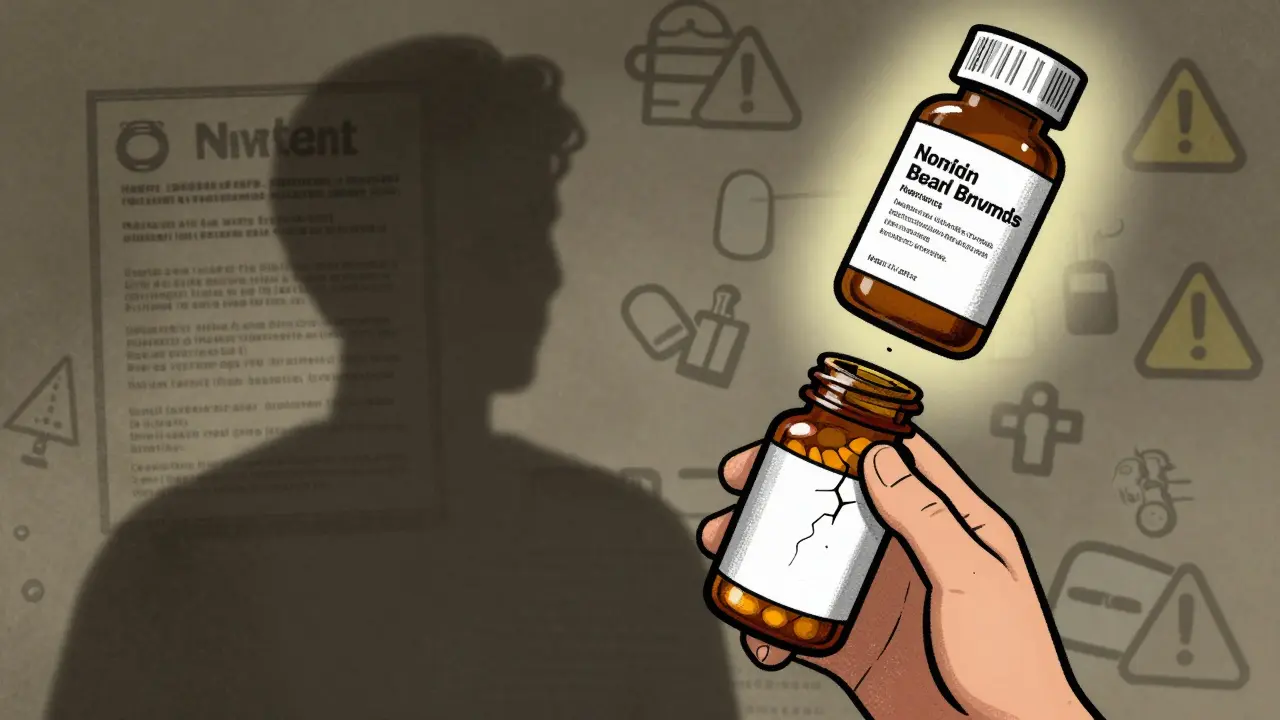
When you pick up a generic pill at the pharmacy, you expect it to work just like the brand-name version. You also expect to know if there’s a safety issue - like a new side effect or interaction - that could affect you. But here’s the problem: generic drug manufacturers can’t update their safety labels on their own. Even if new risks are discovered, they have to wait for the brand-name company or the FDA to act first. That gap in the system is real, and it affects millions of people.
How FDA Safety Alerts Work for Generic Drugs
The FDA’s MedWatch program is the main way safety alerts are issued for all drugs, including generics. It collects reports from doctors, pharmacists, and patients about bad reactions, side effects, or product problems. When something serious comes up - like liver damage from a common generic blood pressure pill - the FDA reviews the data and decides whether to issue a public alert.
But here’s where it gets complicated. The label on your generic drug must match the label of the original brand-name drug. If the brand-name maker updates their warning to include a new risk, the generic makers have to follow. But if a new safety signal appears and the brand-name company doesn’t act? The generic version stays with the old label. That’s because under the Hatch-Waxman Act of 1984, generic manufacturers don’t have the legal right to change their labels independently.
This means a patient taking a generic version of a drug might not know about a risk that’s already on the brand-name label - or worse, a risk that’s been reported by dozens of users but hasn’t triggered a label change yet.
Why Generic Labels Are Stuck in the Past
The system was designed to keep generics cheap and fast to market. The idea was: if the active ingredient is the same, the drug is the same. But drugs aren’t just about the active ingredient. They contain fillers, dyes, coatings, and other inactive ingredients called excipients. These can vary between brand and generic versions. And sometimes, those differences matter.
For example, a 2021 FDA review found that a first generic version of a complex injectable drug had a slightly different appearance and orientation than the brand. Staff launched a proactive safety check because they knew even small changes in how a drug is formulated could affect how it’s absorbed - especially in sensitive populations like older adults or people with kidney disease.
That’s why experts like Dr. Xin Fu, who leads excipient safety assessments at the FDA, say differences in inactive ingredients can change a drug’s safety profile depending on dose, duration, or patient group. But right now, those differences don’t automatically trigger a label update for generics.
The CBE-0 Loophole
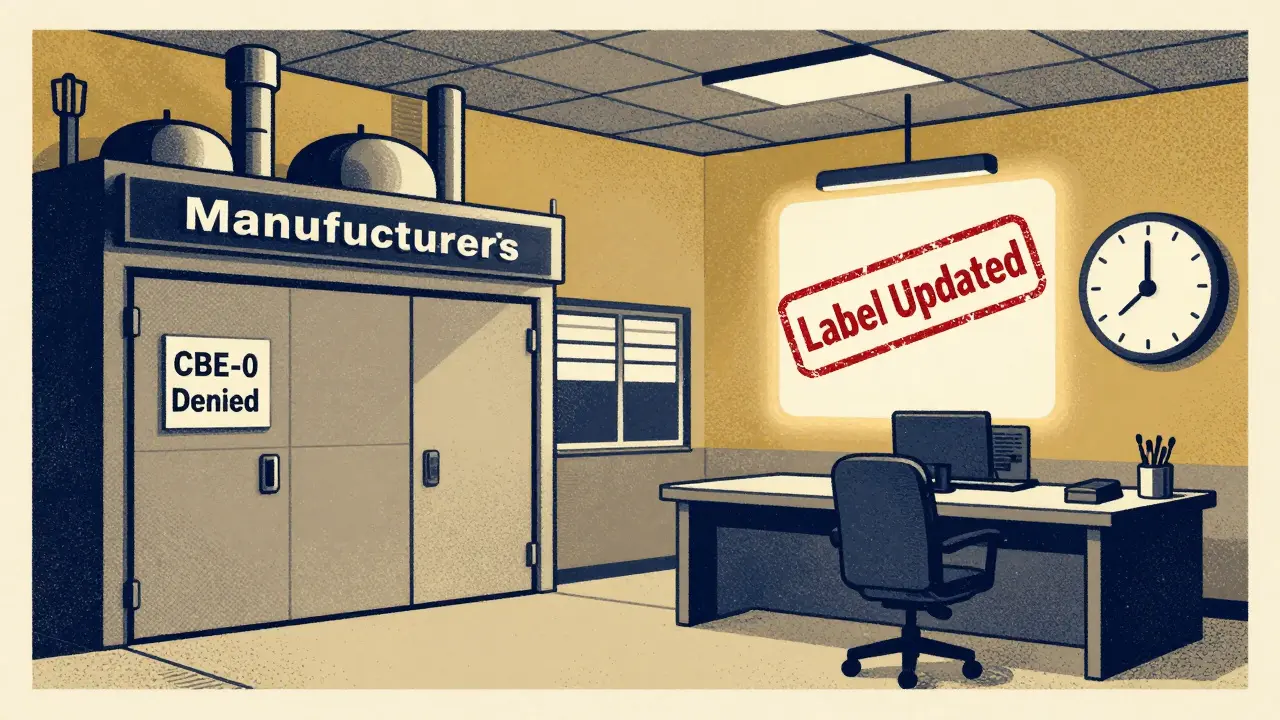
Brand-name drug makers can use something called a Changes Being Effected (CBE-0) supplement. This lets them update their safety labels immediately - without waiting for FDA approval - if they have strong new safety data. They can then notify the FDA afterward.
Generic manufacturers can’t do this. They have to submit a formal application, and the FDA can take 9 to 12 months to review it. During that time, patients keep taking the drug with outdated warnings.
In 2013, the FDA proposed letting generic makers use the CBE-0 process too. It was a simple fix: if brand-name companies can update labels quickly when new risks appear, why can’t generics? But the industry pushed back. The Generic Pharmaceutical Association argued that giving generics this power would open them up to lawsuits and undermine competition - even though the same legal risks exist for brand-name makers, who are frequently sued for failing to update warnings in time.
Who’s Affected the Most?
More than 90% of prescriptions in the U.S. are filled with generics. Many insurance plans require you to use them - they’re cheaper, often costing a fraction of the brand-name price. So if you’re on a chronic condition like high blood pressure, diabetes, or depression, you’re likely taking a generic.
That means you’re relying on a safety system that’s designed around the brand-name drug, not your actual medication. If a new risk emerges - say, an increased chance of muscle damage from a generic statin - and the brand-name maker doesn’t act fast enough, you might never find out until it’s too late.
Consumer groups like the 27 organizations that submitted a joint statement to the American Association for Justice in 2022 argue this isn’t fair. They say: if you’re taking the same active ingredient, you deserve the same up-to-date safety information.
What the FDA Is Doing Now
The FDA doesn’t sit idle. Its Office of Generic Drugs monitors the FDA Adverse Event Reporting System (FAERS) every month. They look for patterns - like a sudden spike in reports of dizziness or liver problems tied to a specific generic drug.
In 2019-2020, they monitored the first generic version of Rexulti, an antipsychotic. No safety signals showed up in the first year. That’s good news. But that kind of monitoring is reactive - it finds problems after they’ve already affected people.
The FDA also publishes drug alerts on its website. For example, in September 2024, they announced the voluntary withdrawal of Oxbryta due to safety concerns. But those alerts usually come from the brand-name manufacturer or are triggered by a major event. Minor or slow-building risks often slip through.
What You Can Do
You can’t control the system, but you can protect yourself.
- Check the FDA’s Drug Safety page regularly. It’s updated with new alerts, label changes, and drug shortages. Bookmark it.
- Sign up for MedWatch alerts. You can get email notifications when new safety information is posted.
- Ask your pharmacist if your generic drug has had any recent safety updates. Pharmacists have access to the same databases as the FDA.
- Report side effects. If you or a loved one has a bad reaction to a generic drug, report it to MedWatch. Your report could be the one that triggers a review.
- Don’t assume all generics are identical. Even if two generics have the same active ingredient, they might have different excipients. If you notice a new side effect after switching generics, tell your doctor.
The Bigger Picture
This isn’t just about labels. It’s about trust. Patients expect that if a drug is FDA-approved, it’s safe - and that they’ll be told if something changes. But the current system creates a dangerous blind spot for generic users.
The FDA’s 2013 proposal to fix this hasn’t moved forward in over a decade. Meanwhile, the number of complex generics - like extended-release patches, inhalers, and injectables - is growing. These drugs are harder to copy exactly. Their safety profiles are more sensitive to small formulation changes.
If nothing changes, the gap between brand and generic safety communication will only widen. And patients - especially those who rely on generics because they can’t afford the brand - will keep paying the price.
The solution isn’t complicated: give generic manufacturers the same ability as brand-name makers to update safety labels when new evidence appears. It’s not about liability. It’s about fairness. It’s about making sure everyone - no matter what they pay - gets the same protection.
Can generic drug manufacturers update their safety labels on their own?
No. Under current FDA rules, generic drug manufacturers must use the same safety label as the brand-name drug. They cannot add or change warnings without FDA approval, even if new safety data emerges. Only the original brand-name manufacturer can use the CBE-0 process to update labels quickly without waiting for approval.
Why does the FDA allow this system to continue?
The system was created by the Hatch-Waxman Act of 1984 to encourage competition and lower drug costs. The FDA believes that since generics have the same active ingredient, they should have the same labeling. But critics argue this ignores real differences in how drugs behave in the body due to inactive ingredients and manufacturing variations. The FDA proposed changing this in 2013, but the rule has not been finalized due to industry opposition and legal concerns.
Are generic drugs less safe than brand-name drugs?
No. FDA-approved generics must meet the same strict standards for quality, strength, purity, and performance as brand-name drugs. The active ingredient is identical, and the drug works the same way in the body. The safety gap isn’t about the drug itself - it’s about the delay in updating warning labels when new risks are found.
What should I do if I experience a side effect from a generic drug?
First, contact your doctor. Then, report the side effect to the FDA’s MedWatch program. You can do this online or by phone. Your report helps the FDA track patterns and decide whether a safety alert or label change is needed. Don’t assume it’s just a coincidence - even one report can matter if others are experiencing the same issue.
How often does the FDA check for safety issues with generic drugs?
The FDA’s Office of Generic Drugs monitors the FDA Adverse Event Reporting System (FAERS) every month. They look for unusual spikes in reports tied to specific generic drugs. They also conduct proactive reviews, especially for complex generics like extended-release formulations or injectables. But this monitoring is reactive - it finds problems after they’ve happened. It doesn’t prevent them.
Can different generic versions of the same drug have different side effects?
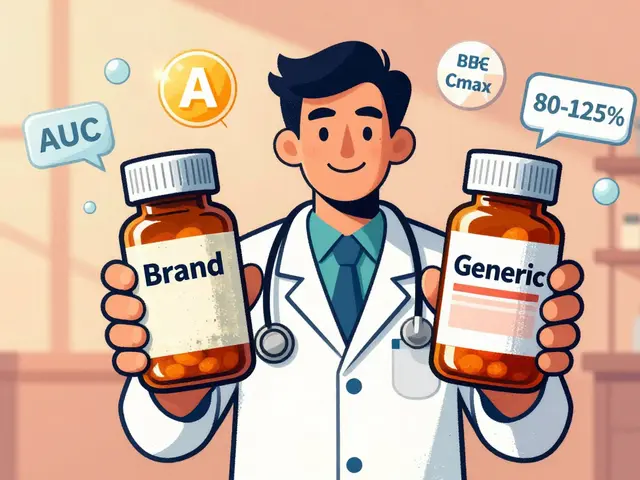
Yes. While the active ingredient is the same, different generic manufacturers may use different inactive ingredients - like fillers, dyes, or coatings. These can affect how the drug is absorbed or how it interacts with your body. Some patients report different side effects after switching between generics. If you notice a change, tell your doctor and pharmacist.

Karen Conlin
January 23, 2026 AT 00:30So let me get this straight - we’re telling millions of people taking generics that they’re getting the same drug, but we’re not letting the makers update safety info unless the brand-name company feels like it? That’s not just broken, it’s cruel. I’ve seen people on meds for years suddenly develop rashes or dizziness after a generic switch, and no one connects it because the label hasn’t changed. We need to fix this now, not in 2035.
asa MNG
January 24, 2026 AT 03:57Heather McCubbin
January 24, 2026 AT 13:25It’s all about control and profit not safety. The pharmaceutical giants don’t want generics to have power because then they’d lose their monopoly on fear. You think they care if you get liver damage? No. They care if you stop buying their $500 brand-name pills. This isn’t a regulatory gap - it’s a calculated betrayal. And we’re all just supposed to shrug and take our $4 pills while they laugh all the way to the bank.
Sawyer Vitela
January 25, 2026 AT 11:13Dolores Rider
January 25, 2026 AT 12:44I knew it. I knew they were lying to us. I switched from the brand to generic for my anxiety med and started having panic attacks at night. I thought I was going crazy. Then I read about excipients. They put different fillers in generics - some are made in India with god knows what. I think the FDA is in on it. They’re letting Big Pharma poison us slowly so we’ll keep buying the expensive ones. I’m not taking another generic. Ever.
venkatesh karumanchi
January 25, 2026 AT 21:50As someone from India where many generics are made, I see this every day. The quality control is sometimes shaky, but the system here is even worse - no one checks the labels. I’m glad the FDA is monitoring, but it’s too late. People get hurt before anyone notices. We need real-time reporting, not monthly checks. My cousin had kidney issues from a generic blood pressure pill - the label hadn’t been updated in 5 years. He’s fine now, but barely.
John McGuirk
January 27, 2026 AT 13:50Let’s be real - this is just corporate greed wrapped in regulatory legalese. The FDA knows this is broken. The industry knows it’s broken. But nobody wants to be sued for updating labels. So they sit on data. Patients die. Then the FDA issues a ‘voluntary recall’ and everyone acts shocked. Meanwhile, the same companies that profit from brand-name drugs own the generics. Same board. Same lawyers. Same silence.
Michael Camilleri
January 28, 2026 AT 11:10People don’t want to hear this but you get what you pay for. If you want the best safety profile, pay for the brand. If you want to save $5, accept the risk. This isn’t a conspiracy - it’s capitalism. You want a perfect system? Pay $200 for your pills. Otherwise stop whining. I’ve been on generics for 15 years. I’m alive. So are millions. The system works fine for most people. The outliers? They’re the ones screaming loudest.
lorraine england
January 28, 2026 AT 23:27Just a heads up - if you switch generics and notice something off, write it down. Date, symptoms, what the pill looked like. I did that after my thyroid med changed and I started getting heart palpitations. Took it to my pharmacist. Turns out the new one had a different dye - caused an allergic reaction in 3 other people too. We reported it. Two months later, the FDA added a warning. Small wins matter.
Darren Links
January 29, 2026 AT 21:57Who cares? We’re not a socialist country. If you can’t afford brand-name, tough. The system was designed to keep prices down. If you want safety, go to Canada. Or pay more. This isn’t a failure - it’s a feature. The government doesn’t owe you perfect healthcare. It owes you access. And we’ve got that. Stop demanding luxury treatment on a budget.
Kat Peterson
January 30, 2026 AT 12:50OMG I JUST REALIZED - my generic Adderall gave me migraines but the brand didn’t. I thought I was losing my mind. Turns out the fillers are different. I’m so mad. I’ve been paying extra for brand because I’m ‘dramatic’? I’m not dramatic, I’m just not stupid. Why does this feel like a Lifetime movie? 😭
Izzy Hadala
January 31, 2026 AT 14:04The legal framework governing generic drug labeling is codified under 21 CFR § 314.94(a)(10), which mandates bioequivalence but does not grant labeling autonomy. The CBE-0 provision under 21 CFR § 314.70(c)(6)(iii) is explicitly restricted to innovator manufacturers. Any expansion of labeling authority to generic firms would require statutory amendment or a formal rulemaking process under the Administrative Procedure Act, which has been stalled since 2013 due to pending litigation and industry lobbying. The FDA’s current approach is legally defensible, though ethically contentious.
Don Foster
February 1, 2026 AT 04:22Everyone’s overreacting. The active ingredient is the same. That’s all that matters. If you have a reaction, it’s your body. Not the pill. Stop blaming the system. I’ve taken 12 different generics for my cholesterol. Never had an issue. If you can’t handle a $4 pill, maybe you shouldn’t be on meds at all. This is why America’s healthcare is a mess - people think they deserve gold-plated care for pennies.