Imagine a medication that doesn't just help you lose weight, but actually changes how your brain perceives hunger. For years, obesity was treated as a failure of willpower, but a new class of drugs is flipping that script. GLP-1 agonists is a group of medications that mimic glucagon-like peptide-1, a hormone that tells your brain you're full and slows down how quickly your stomach empties. Once reserved primarily for type 2 diabetes, these drugs are now the gold standard for chronic weight management.
How GLP-1 Medications Actually Work
These drugs aren't magic; they are biological mimics. When you eat, your gut naturally releases GLP-1 to signal the brain to stop eating. GLP-1 receptor agonists amplify this signal. They target the hypothalamus-the brain's control center-to shut down the "hunger" signals and ramp up the "fullness" signals.
Beyond the brain, they act on the digestive system by delaying gastric emptying. This means food stays in your stomach longer, keeping you satisfied for hours after a small meal. They also prompt the pancreas to release more insulin when blood sugar is high and prevent the liver from pumping out too much extra glucose. This dual action is why they are so effective for both weight loss and blood sugar control.
The Heavy Hitters: Comparing Popular GLP-1 Options
Not all GLP-1 medications are created equal. Some target one receptor, while newer ones target two, leading to different results in terms of weight loss and cost. Semaglutide, found in brands like Wegovy and Ozempic, is widely known for its 15.8% average weight loss in clinical trials. Then there is Tirzepatide (sold as Zepbound or Mounjaro), which is a "dual agonist." It mimics both GLP-1 and GIP hormones, which seems to supercharge the weight loss effect.
| Medication | Active Ingredient | Avg. Weight Loss | Dosing Frequency | Primary Target |
|---|---|---|---|---|
| Wegovy | Semaglutide | ~15.8% | Weekly Injection | GLP-1 Receptor |
| Zepbound | Tirzepatide | ~20.9% | Weekly Injection | GLP-1 & GIP Receptors |
| Saxenda | Liraglutide | ~6.4% | Daily Injection | GLP-1 Receptor |
The Reality of Side Effects: The "Adjustment Period"
If you talk to anyone on these meds, the first thing they'll mention is the nausea. Because these drugs slow down your digestion, your body needs time to adapt. About 70-80% of users deal with nausea, and nearly half experience vomiting or diarrhea in the first few weeks. It sounds intense, but for most people, these symptoms peak in the first month and fade as the body stabilizes.
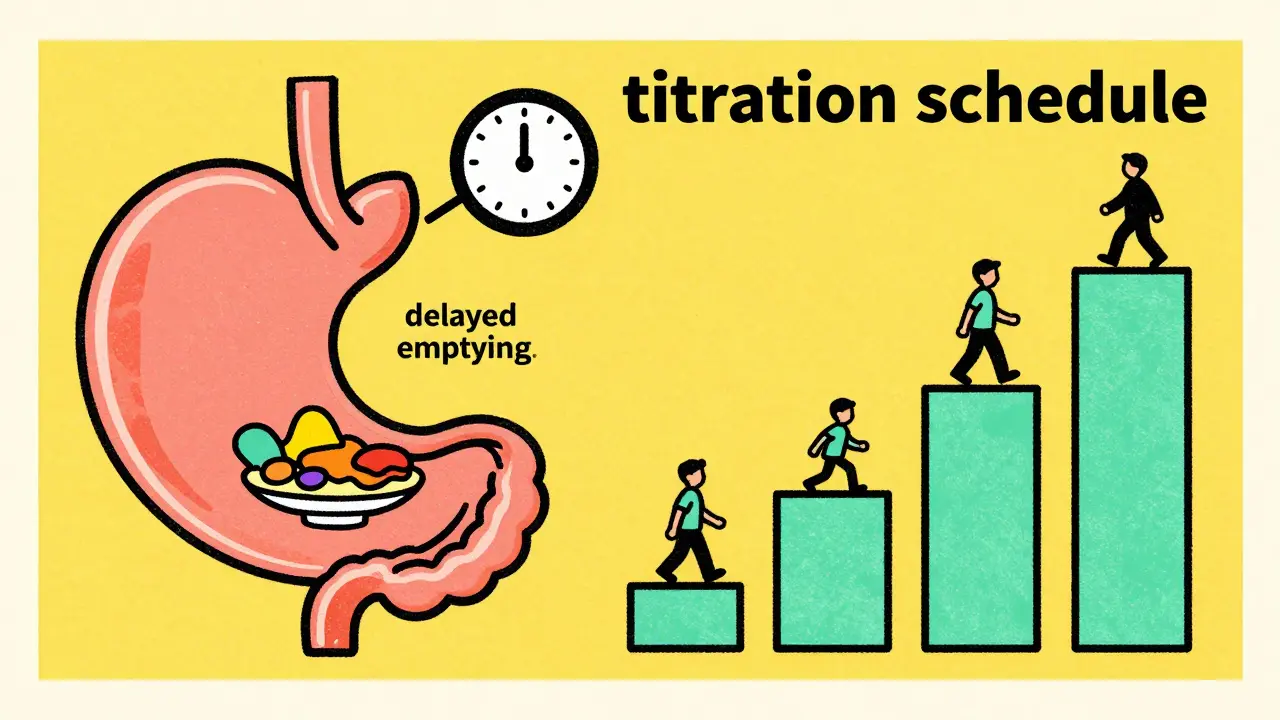
To get through the "brutal' weeks, many patients follow a strict titration schedule. This means starting at a very low dose (like 0.25 mg for Wegovy) and increasing it every four weeks. Eating smaller, low-fat meals and staying aggressively hydrated can also keep the nausea at bay. If you're struggling, some doctors recommend short-term use of anti-nausea meds like ondansetron during the ramp-up phase.
Weight Loss vs. Weight Maintenance: The Catch
Here is the part that often gets glossed over in social media success stories: these drugs are generally not a "one-and-done" fix. Data from the STEP 4 trial shows a sobering reality-when people stop taking the medication, they often regain 50-70% of the weight they lost within a year.
Why does this happen? Because the medication treats the underlying biological drive to eat. Once the drug is gone, those hunger signals return. This is why experts, including those at Harvard Medical School, emphasize that these medications are for long-term pharmacotherapy, not a quick summer shred. To keep the weight off, you need a combination of the medication and a sustainable caloric deficit, typically around 500 calories below your maintenance level.
Who Should Avoid These Medications?
Despite the hype, GLP-1s aren't for everyone. There are a few "red flags" that make these drugs dangerous for certain people. If you have a personal or family history of medullary thyroid carcinoma or multiple endocrine neoplasia syndrome type 2, these drugs are strictly off-limits.
There are also warnings regarding thyroid C-cell tumors. While these have mostly been seen in rodent studies, the FDA maintains a black box warning to ensure patients are screened. Additionally, because there isn't enough safety data on fetal development, pregnancy tests are usually required before starting treatment.
The Cost and Access Hurdle
Even if you have a prescription, getting the drug is another story. The price tag is steep. Without insurance, Wegovy can cost over $1,300 a month. While insurance coverage for diabetes is high (around 89%), coverage for weight loss is significantly lower, with only about 37% of commercial plans covering it. This has led to a surge in people seeking "compounded" versions, which carries its own set of risks regarding purity and dosage.
Supply chain issues have also plagued the market. Novo Nordisk has faced massive backorders, meaning some patients find their pharmacy is out of the specific dose they need to progress in their titration. If you're starting this journey, it's worth checking with multiple pharmacies to secure your supply.
How long does it take to see results with GLP-1 agonists?
Most users start noticing a decrease in appetite and smaller portion sizes within the first 2-4 weeks. However, significant weight loss usually accelerates once you reach the maintenance dose, which typically happens around week 16 to 20 of the titration process.
Do I have to take these injections forever?
For most people, yes. Clinical evidence shows that obesity is a chronic disease. When the medication is discontinued, the biological signals that suppressed appetite return, often leading to significant weight regain. Long-term use is generally recommended for maintaining metabolic health.
What is the difference between Ozempic and Wegovy?
They both contain the same active ingredient, semaglutide. The difference is the FDA approval and the dosage. Ozempic is approved and marketed for type 2 diabetes, while Wegovy is specifically approved for chronic weight management and typically comes in a higher maximum dose to maximize weight loss.
Can I take GLP-1 agonists if I don't have diabetes?
Yes. Medications like Zepbound and Wegovy are specifically FDA-approved for adults with obesity (BMI ≥30) or those who are overweight (BMI ≥27) and have at least one weight-related medical condition, such as high blood pressure or high cholesterol.
How do I handle the nausea during the first month?
Focus on eating smaller, more frequent meals and avoid high-fat, greasy foods which slow digestion even further. Drinking plenty of water and using ginger or prescribed anti-nausea medications can also help until your body adjusts to the hormone levels.
Next Steps for Your Journey
If you're considering these medications, your first move should be a full metabolic panel and a discussion with an endocrinologist. Don't just look at the scale; talk about your cardiovascular risk and thyroid history. If you start, keep a food and symptom diary to track how your body reacts to each dose increase. This helps your doctor decide if you should stay at a current dose longer or move up faster. Finally, start a basic strength-training routine; losing weight quickly can sometimes lead to muscle loss, and keeping your muscle mass is key to keeping your metabolism high.