

Going to a medication appointment alone can feel overwhelming-especially if you’re managing multiple prescriptions, dealing with side effects, or just trying to keep track of what’s what. You walk out feeling like you understood everything… until you get home and realize you forgot to ask about the new dose, or you’re not sure if that pill is supposed to be taken with food. That’s where bringing a caregiver or advocate makes all the difference. This isn’t just a nice idea-it’s a proven way to cut medication errors, avoid dangerous interactions, and make sure your treatment plan actually fits your life.
Why You Need Someone With You
More than 1.5 million people in the U.S. experience preventable medication errors every year, according to the Institute of Medicine. Many of these happen during appointments because patients are stressed, overwhelmed, or simply forget to ask the right questions. A 2022 study in JAMA Internal Medicine found that 12.3% of prescriptions had dosage errors-errors that often go unnoticed without a second set of eyes. When someone else is there to listen, take notes, and ask follow-ups, those mistakes drop dramatically. The Joint Commission reports that 78% of medication errors happen during care transitions-like when a doctor changes a prescription or adds a new one. That’s exactly when you need backup. A 2023 study in Health Affairs showed that patients who brought a trained advocate had 28% fewer medication errors than those who went alone. Even family members who aren’t certified advocates can reduce confusion by 40%, according to the AARP’s 2023 guide on health advocacy.Who Can Be Your Advocate?
Your advocate doesn’t have to be a professional. It can be anyone you trust: a spouse, adult child, close friend, neighbor, or even a church member who’s good with details. The key is that they’re reliable, calm under pressure, and willing to speak up. Professional advocates exist too-certified through organizations like the Patient Advocate Certification Board. As of early 2024, over 1,800 were listed in the U.S. These professionals charge $75 to $200 an hour and specialize in complex cases, like managing five or more medications. For seniors on Medicare Advantage plans, 62% now offer some form of free or low-cost advocacy support, according to the National Council on Aging. UnitedHealthcare covers it for 89% of its 7.2 million Medicare members. If you’re unsure whether to hire someone or ask a family member, think about this: family advocates are better for long-term consistency, while professionals handle complicated drug interactions and insurance battles more effectively.How to Prepare Before the Appointment
Preparation is where most people fail-and where the biggest wins happen. Don’t just show up with a mental list. Bring the real thing: every pill bottle, patch, inhaler, and liquid medicine you’re taking. A 2022 FDA study found that 23% of medication errors come from inaccurate written lists, not from the doctor’s mistake. Start 72 hours before your appointment:- Gather all medications in one place. Don’t rely on your phone app or pharmacy printout-bring the actual bottles.
- Write down symptoms you’ve noticed and when they happen. Did your dizziness start after you switched to the new blood pressure pill? Note the date and time.
- Use the “Ask Me 3” framework: What is my main problem? What do I need to do? Why is it important?
- Check your insurance coverage for each drug. CVS Health reports that 18% of prescriptions are delayed because coverage wasn’t confirmed ahead of time.
What to Do During the Appointment
When you walk into the exam room, say it clearly: “I’ve brought my daughter to help me understand everything. Is that okay?” Most providers will say yes. In fact, 92% of large health systems now require staff to allow advocates, thanks to the American Medical Association’s 2022 policy update. Use the SBAR method to keep the conversation clear:- Situation: “I’ve been feeling dizzy since starting this new medication.”
- Background: “I’ve been on warfarin for five years, and this new antibiotic was just added.”
- Assessment: “I’m worried they might interact. My advocate looked it up.”
- Recommendation: “Can we check if there’s a safer alternative?”
- Is this new medication replacing something I’m already taking?
- Can this pill be crushed or opened if I have trouble swallowing?
- What side effects should I watch for that mean I need to call you right away?
- Is there a cheaper or generic version? My insurance doesn’t cover this one.
After the Appointment: Don’t Let It Slip Away
The appointment ends. You leave. And then the real work begins. A 2023 GoodRx study of 893 people showed that those who created a visual medication schedule-using photos of each pill and a printed timetable-improved adherence by 41%. Here’s what to do within 24 hours:- Write down everything the doctor said. If something’s unclear, call the office. Don’t wait.
- Take a photo of each pill and label it with the name, dose, and time to take it. Many people mix up pills-especially if they look similar.
- Set up a “medication buddy” system. Have someone check your pillbox once a week to make sure you’re taking the right ones.
- Call your pharmacy and confirm the prescription was filled correctly. Pharmacists catch 45% of errors before they reach patients, according to the American Pharmacists Association.

What If the Doctor Says No?
Sometimes, you’ll run into resistance. A 2023 Caregiver Action Network survey found that 41% of advocates were told, “HIPAA doesn’t let us talk to you.” That’s false. HIPAA allows providers to share information with anyone the patient authorizes. You have the right to bring someone in. If you’re turned away:- Ask to speak to the office manager or patient services coordinator.
- Say: “I’ve given written permission for my advocate to be here. This is my legal right under Section 1557 of the Affordable Care Act.”
- If they still refuse, ask for the complaint process. Most hospitals have one.
Tools That Actually Help
You don’t need fancy apps. Simple, low-tech tools work best:- Printable medication tracker: The National Down Syndrome Society offers free, easy-to-use worksheets to log symptoms and doses.
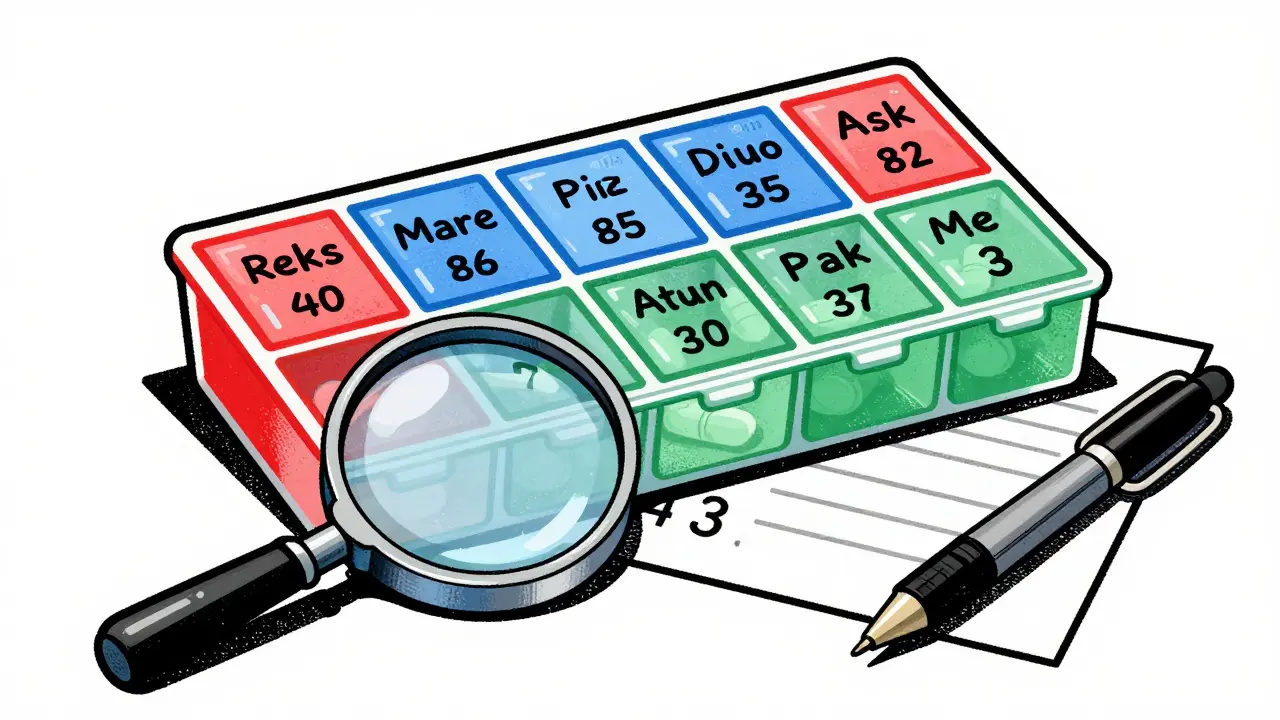
- Color-coded pill organizers: Use red for morning, blue for evening, green for as-needed. Add stickers with the pill name.
- 24-hour question window: Tell your advocate: “If anything’s unclear after the appointment, call the office within 24 hours. Don’t wait.”
- AI-powered tools: The FDA-approved MediCheck Pro tool is now being used in clinics to flag drug interactions during appointments. Ask your provider if they use it.
The Bigger Picture
This isn’t just about pills. It’s about dignity, safety, and control. The federal government is investing billions into patient advocacy-$3.1 billion from the American Rescue Plan alone-and Medicare Advantage plans are expanding support because they see the results: fewer hospitalizations, fewer ER visits, lower costs. The future is clear: medication appointments won’t be one-person shows anymore. By 2026, the American Telemedicine Association predicts 68% of these visits will include a virtual advocate-someone joining by phone or video to help with understanding and follow-up. You’re not being difficult by asking for help. You’re being smart.Can I bring someone to my medication appointment even if they’re not family?
Yes. You can bring anyone you trust-a friend, neighbor, church member, or professional advocate. HIPAA doesn’t limit who can be present as long as you give written or verbal permission. Providers are required to allow it under the Affordable Care Act. Many patients choose non-family advocates because they’re more objective and better at asking tough questions.
What if my advocate doesn’t know medical terms?
You don’t need them to be a doctor. Their job is to listen, take notes, and ask for clarification. Simple phrases like “Can you say that again?” or “What does that mean for my daily routine?” work better than jargon. Use the “Ask Me 3” questions: What’s my main problem? What do I need to do? Why is it important? That’s all they need to remember.
How do I know if my advocate is doing a good job?
A good advocate asks the same questions you’d ask if you weren’t nervous. They check that the new prescription matches your old one. They confirm the dose, timing, and side effects. They follow up within 24 hours if something’s unclear. If they’re writing things down, asking about costs, and helping you create a visual schedule, they’re doing it right.
Can I get help finding a professional advocate?
Yes. The Patient Advocate Certification Board has a directory of certified professionals. You can also call your local Area Agency on Aging, hospital social work department, or Medicare Advantage plan. Many Federally Qualified Health Centers now offer free advocacy services. The National Patient Advocate Foundation also provides referrals and low-cost options.
What if I’m worried about privacy?
You control what’s shared. Before the appointment, talk to your advocate about what you’re comfortable with them hearing. You can give permission for specific topics only-like medication changes but not mental health history. Providers must respect your boundaries. If you’re unsure, ask to speak with the office’s privacy officer before the visit.


Chiraghuddin Qureshi
January 20, 2026 AT 21:21Lauren Wall
January 22, 2026 AT 07:04Kenji Gaerlan
January 23, 2026 AT 12:33Ryan Riesterer
January 23, 2026 AT 20:37Akriti Jain
January 24, 2026 AT 10:12Mike P
January 25, 2026 AT 05:55Brenda King
January 26, 2026 AT 11:52Keith Helm
January 26, 2026 AT 14:40Oren Prettyman
January 28, 2026 AT 03:38Tatiana Bandurina
January 28, 2026 AT 09:04Philip House
January 29, 2026 AT 18:05Daphne Mallari - Tolentino
January 29, 2026 AT 20:29Neil Ellis
January 31, 2026 AT 13:50