
Every year, nearly 9 out of 10 prescriptions filled in the U.S. are for generic drugs. They’re cheaper, just as effective, and approved by the same agencies that certify brand-name pills. But here’s the catch: patients often feel worse on generics-even when nothing has changed chemically.
This isn’t a flaw in the drug. It’s the nocebo effect in action.
The nocebo effect happens when your brain expects harm, and then your body delivers it. You don’t need a toxic ingredient. Just the belief that something will hurt you is enough to trigger nausea, headaches, fatigue, or even mood swings. And when a patient switches from a familiar brand-name pill to a generic version with a different color, shape, or label, that belief kicks in hard.
Why Patients Feel Worse on Generics-Even When They Shouldn’t
In a 2025 study, healthy volunteers were given a fake nasal spray labeled either as a brand-name product or a generic. Both contained zero active ingredients. Yet those told they were using the generic version reported significantly more side effects-like dizziness and fatigue-than those who thought they were using the branded version. The difference wasn’t chemical. It was psychological.
That’s not an outlier. A 2023 study in PLOS Medicine found the same pattern in real patients switching from brand-name antidepressants to generics. Blood levels of the drug were identical. But patients on generics reported more side effects, more anxiety, and higher rates of stopping treatment.
It’s not about quality. The FDA requires generics to deliver the same amount of active ingredient into the bloodstream within the same time frame as the brand. The difference? Packaging, price, and perception.
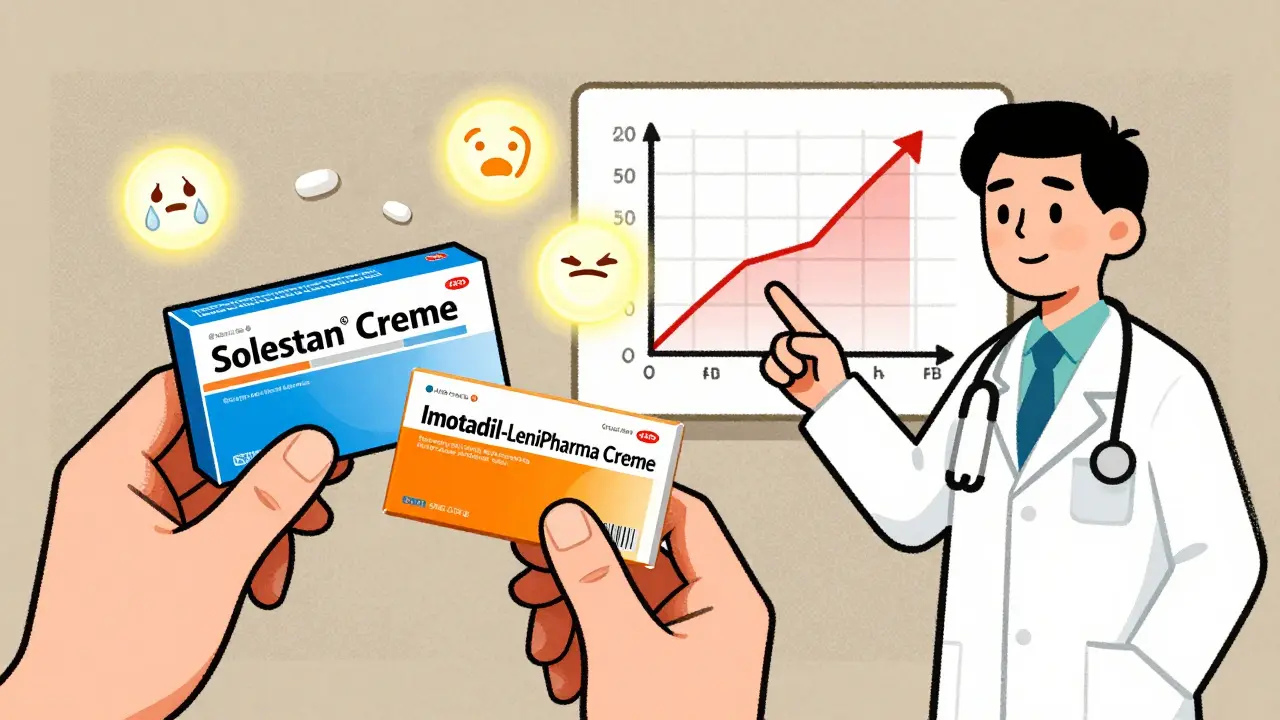
One study tested an inert anti-itch cream. One group got it in a sleek blue box labeled "Solestan® Creme." Another got the same cream in a plain orange box labeled "Imotadil-LeniPharma Creme." The group with the "expensive" version reported more pain sensitivity. Not because the cream worked differently. Because they expected it to.
The Hidden Cost of Brand Loyalty
Patients aren’t irrational. They’ve been conditioned. Drug ads show branded medications with smiling families, clear skies, and soothing music. Generics? Often shown as small print on a pharmacy shelf. The message is clear: brand = trust. Generic = compromise.
And it sticks. A 2023 survey by the National Community Pharmacists Association found that 38% of patients believe generics are less effective than brand-name drugs. Even though 90% of prescriptions are generic, nearly 4 in 10 still doubt them.
That doubt doesn’t vanish when a doctor says, "It’s the same drug." The brain doesn’t process facts like a computer. It processes stories. If a patient’s last experience with a generic was bad-maybe they felt sluggish after switching-they’ll assume the next one will be too. Even if it’s a different drug entirely.
Even authorized generics-made by the same company as the brand, in the same factory, with identical ingredients-still trigger nocebo effects. Because patients don’t know they’re the same. The label says "generic." That’s enough.
How Packaging and Price Shape Pain
It’s not just what’s inside the pill. It’s what’s on the outside.
Color matters. A red capsule feels more "powerful" than a white one. A large tablet feels more "serious" than a small one. A pill with a logo feels more "real" than one without.
Price does too. In one experiment, people were told they were taking a painkiller. Half were told it cost $2.50 per pill. The other half were told it cost 10 cents. Both pills were sugar tablets. The expensive group reported significantly better pain relief. The cheap group? More side effects.
This isn’t just about money. It’s about value. If a patient believes a drug is cheap, they assume it’s low quality. And if they assume low quality, their body responds with symptoms-real, measurable symptoms-because their brain is primed to expect harm.
That’s why some countries allow "branded generics"-generics that look and feel like the original brand. Same active ingredient. Same effectiveness. Same packaging. Just a different label. These reduce nocebo effects because they don’t trigger the "this is cheap" reaction.
What Doctors and Pharmacists Can Do
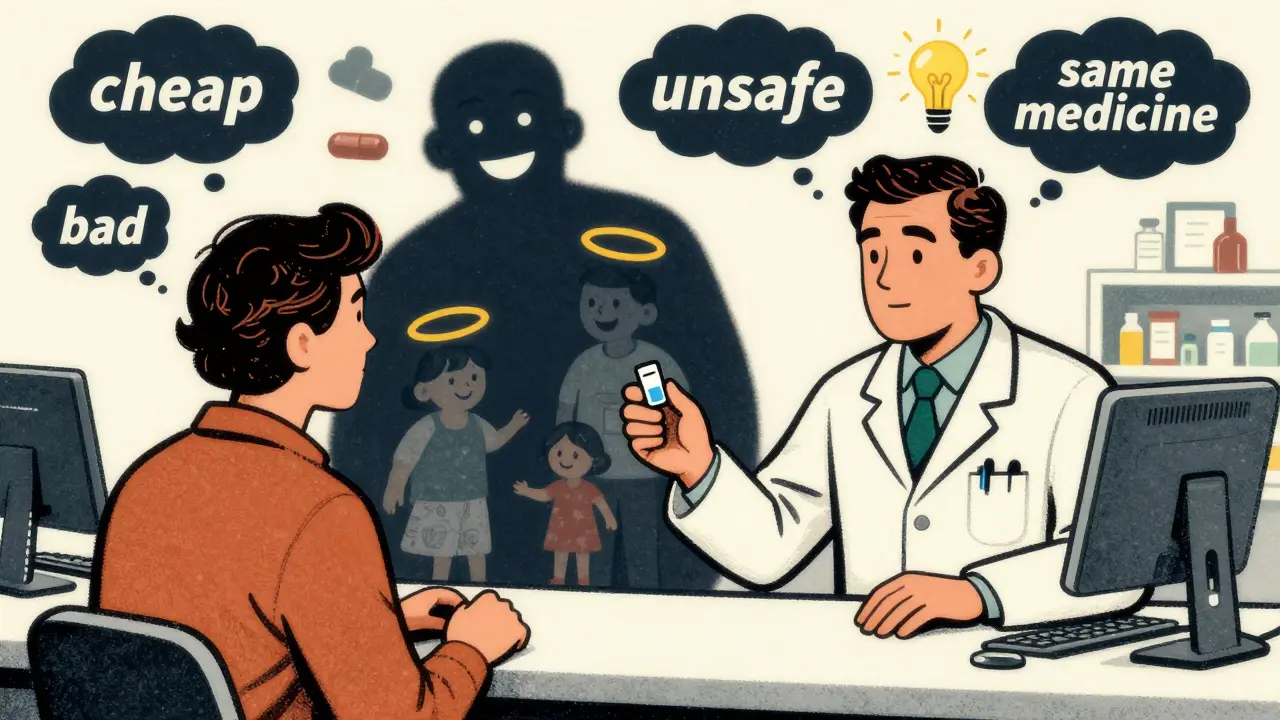
Simply saying "It’s the same drug" doesn’t work. Patients have heard that before. They don’t believe it.
Here’s what does:
- Explain bioequivalence in plain terms: "This generic has the exact same active ingredient as your old pill. It’s held to the same strict standards. Studies show patients do just as well on it-sometimes better, because they’re more likely to take it consistently when it’s affordable."
- Avoid negative framing: Don’t say, "Side effects can include dizziness, nausea, and insomnia." Say, "Most people tolerate this medication very well. If you notice any changes, we’ll adjust it together."
- Use positive reinforcement: "You’ve done really well on this medication. This version is just a more affordable option that works the same way."
- Don’t surprise patients: If a switch is coming, tell them ahead of time. Give them a heads-up. Offer to call the pharmacy to confirm the switch. This builds trust.
- Normalize the conversation: "A lot of patients worry about switching to generics. It’s common. We’ve seen it before. Let’s talk about what to watch for-and what’s probably just your brain adjusting."
Kaiser Permanente uses a scripted approach for switches: "This medication contains the exact same active ingredient as what you were taking before. Studies show patients do just as well on the generic version."
That script isn’t magic. It’s science. It removes doubt by replacing it with facts-and it’s delivered with calm authority.
When Patients Report Side Effects After a Switch
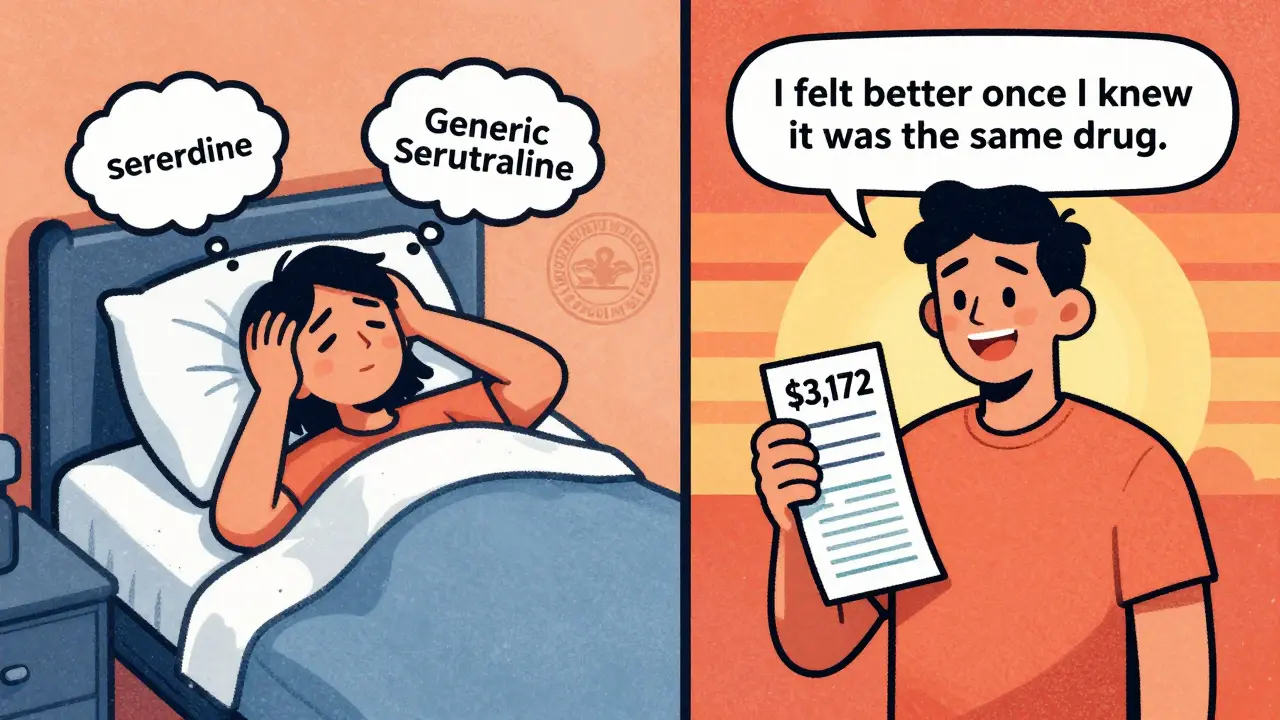
Let’s say a patient comes in saying, "I switched to the generic sertraline and now I can’t sleep, I’m anxious, and I feel like I’m falling apart."
First, check the facts. Are blood levels different? No. Are there known pharmacokinetic issues? Rare. Is this a new drug? No. Then it’s likely the nocebo effect.
Don’t dismiss it. Don’t say, "It’s all in your head." That makes patients feel unheard. Instead, say: "I hear how hard this has been. What you’re feeling is real. But here’s what’s likely happening: your brain is on alert because the pill looks different. That can make normal feelings-like tiredness or a racing heart-feel like side effects."
Then offer a choice: "We can go back to the brand, or we can try a different generic. Or we can stick with this one and give it a few more weeks while we track your symptoms. Many people find things settle down after a bit."
That approach validates their experience while guiding them toward the right solution.
Long-Term Solutions: Changing the Narrative
One-off conversations won’t fix this. We need systemic change.
Public health campaigns should highlight how generics save patients thousands a year-without sacrificing safety. A 2022 study found that when patients were told switching to a generic could save them $3,172 annually, nocebo effects dropped by 37%. Money talks. And so does fairness.
Pharmacies can help too. Instead of handing out generics without context, they can include a simple note: "This is the same medicine as [Brand Name], just at a lower price. Approved by the FDA. Used by millions."
Even small changes in labeling help. The European Medicines Agency says packaging shouldn’t mimic brands-but it also says differences shouldn’t alarm. That’s a tightrope. The solution? Consistency. Keep the same shape, size, and color when possible. If a change is unavoidable, explain why.
And social media? It’s a double-edged sword. Reddit threads like "Generic sertraline ruined my life" spread fast. But so do posts like, "I switched to generic and saved $1,200-no side effects." We need more of the latter.
Final Thought: It’s Not the Drug. It’s the Story.
Generics are safe. They’re effective. They’re the backbone of affordable healthcare.
But they’re also a mirror. They reflect what we believe about medicine, money, and trust.
When we treat generics like second-class drugs, patients respond like second-class patients.
The fix isn’t in the lab. It’s in the conversation. In the way we talk about these pills. In the way we listen when patients say they feel worse.
Because sometimes, the most powerful medicine isn’t the one in the bottle. It’s the one in the mind.
Do generic medications have the same active ingredients as brand-name drugs?
Yes. By law, generic medications must contain the exact same active ingredient, in the same strength, dosage form, and route of administration as the brand-name version. The FDA requires them to prove they deliver the same amount of medicine into the bloodstream at the same rate. This is called bioequivalence. The only differences are in inactive ingredients like fillers, colors, or packaging-none of which affect how the drug works.
Why do some people feel worse after switching to a generic?
It’s often the nocebo effect. When patients expect side effects-because the pill looks different, costs less, or they’ve heard negative stories-their brains can trigger real physical symptoms. Studies show people report more side effects when they believe they’re taking a generic, even when they’re actually taking the brand-name drug. It’s not the medicine. It’s the expectation.
Are generic medications less effective than brand-name ones?
No. Large studies, including reviews by the FDA and the Cochrane Collaboration, show that generics are just as effective as brand-name drugs for nearly all conditions. A 2021 meta-analysis of 37 studies found no clinically meaningful difference in effectiveness. The only difference is cost-and perception.
Can the packaging of a generic drug cause side effects?
Yes, indirectly. Packaging design, color, and labeling can influence expectations. A study showed that people using an inert cream in a "cheap-looking" package reported more pain than those using the same cream in an expensive-looking package. The drug didn’t change. The belief did. This is why some pharmacies use branded generics-packaging that looks familiar-to reduce anxiety.
How can I help my patients feel more confident about generics?
Start by acknowledging their concerns. Don’t say, "It’s the same thing." Say, "I understand why you’re worried. Many people feel that way. Here’s what we know: this generic has the same active ingredient, and studies show patients do just as well on it. It’s also saving you over $3,000 a year. Let’s track how you feel over the next few weeks and adjust if needed."
Is there a way to test if someone is experiencing a nocebo effect?
There’s no official test, but clinicians can look for patterns: symptoms appear right after a switch, blood levels are normal, no new drug interactions, and symptoms improve when the patient is reassured or switched back to the brand. The Beliefs about Medicines Questionnaire (BMQ) can also help identify patients with high concerns about side effects, who are more vulnerable to nocebo effects.

Astha Jain
January 19, 2026 AT 02:51Erwin Kodiat
January 20, 2026 AT 12:37Lydia H.
January 21, 2026 AT 08:44Jake Rudin
January 22, 2026 AT 10:49Josh Kenna
January 24, 2026 AT 02:44Valerie DeLoach
January 25, 2026 AT 18:39Christi Steinbeck
January 26, 2026 AT 00:06Jacob Hill
January 27, 2026 AT 02:40Lewis Yeaple
January 27, 2026 AT 08:43Jackson Doughart
January 27, 2026 AT 16:18Tracy Howard
January 29, 2026 AT 13:00Aman Kumar
January 31, 2026 AT 06:46Phil Hillson
February 2, 2026 AT 04:48