
When you pick up a generic pill at the pharmacy, you’re relying on a system documented in the FDA Orange Book, a public directory of approved drug products with therapeutic equivalence evaluations published by the U.S. Food and Drug Administration. Also known as Approved Drug Products with Therapeutic Equivalence Evaluations, it’s the official source that tells pharmacists and doctors which generics can legally replace brand-name drugs without sacrificing safety or effectiveness. This isn’t just a list—it’s the rulebook that determines when a generic can hit the market, how long a brand gets protection, and why some drugs stay expensive for years while others drop in price overnight.
The Hatch-Waxman Act, a 1984 law that created the modern generic drug approval process is what made the Orange Book so powerful. It gave drug companies a short window of exclusivity after their patent expires, but also let generics apply for approval early. The Orange Book tracks every patent and exclusivity period tied to each drug. If a generic maker challenges a patent and wins, they get 180 days of market exclusivity themselves—this is why you sometimes see two different generics of the same drug appear at once. But if the patent is still active, the generic stays on hold, even if it’s scientifically ready. That’s why you’ll find drugs with tentative approval, a status meaning the FDA says the generic meets all scientific standards but can’t be sold yet due to legal or patent blocks sitting on a shelf for years.
It’s not just about patents. The Orange Book also lists which generics are rated as therapeutic equivalence, a code (like AB) that means the generic performs the same way in the body as the brand. If a drug isn’t rated AB, your pharmacist can’t automatically swap it out—even if it’s chemically identical. That’s why some people notice differences in side effects or effectiveness when switching generics. The Orange Book is why your doctor might write "dispense as written" on a prescription, and why pharmacies can’t always substitute without your consent.
Behind every generic drug shortage, every price drop, and every lawsuit between brand and generic makers, you’ll find the Orange Book. It’s the backbone of the system that keeps millions of Americans on affordable meds. But it’s also the battleground where patents are stretched, loopholes are exploited, and delays happen not because of science—but because of money. The posts below break down how this system really works: how generics enter the market, why some drugs stay expensive, how patent games delay access, and what you can do to make sure you’re getting the right version at the right price.
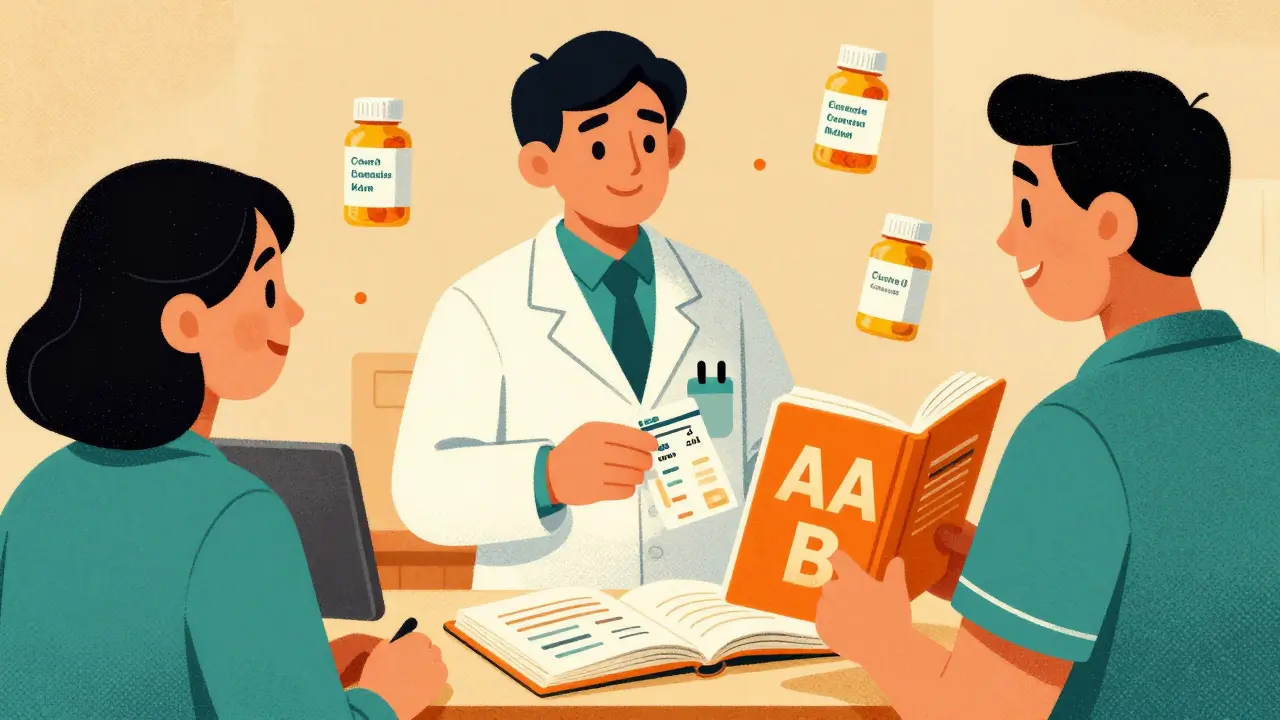
Therapeutic Equivalence Codes (TE Codes) are the FDA's system for determining which generic drugs can safely replace brand-name medications. Learn how they work, why they matter, and where they fall short.
View More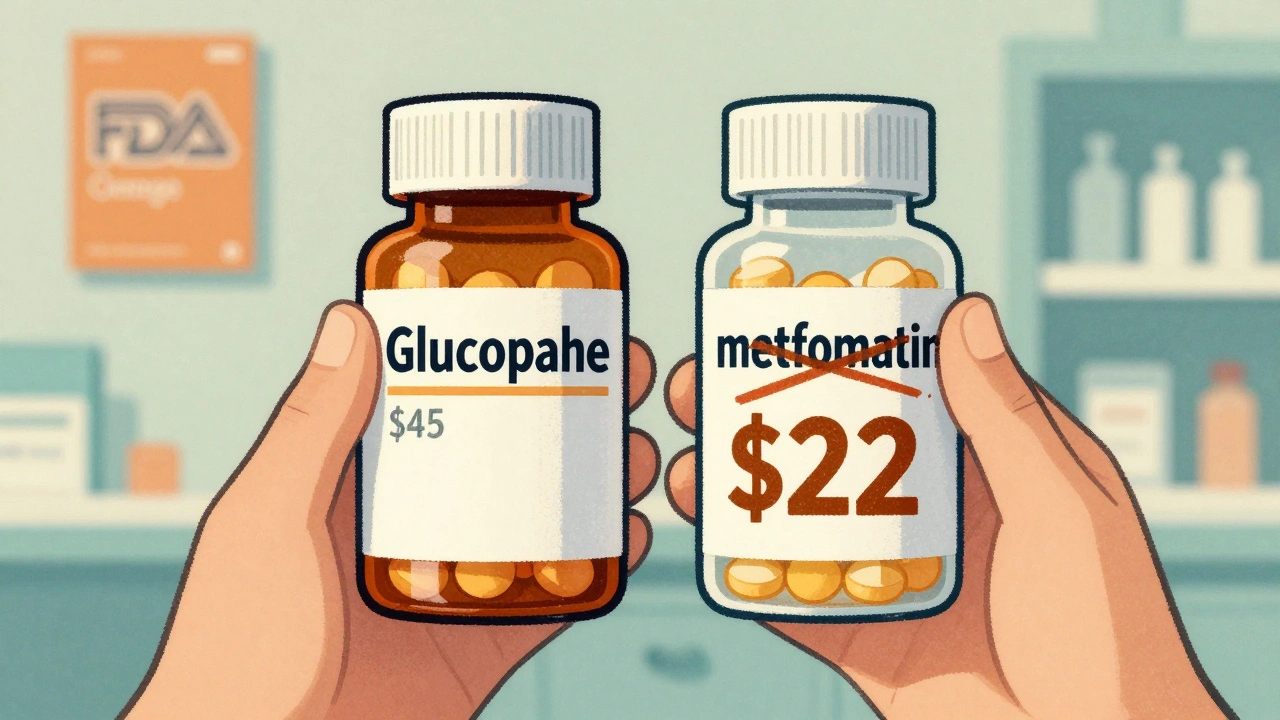
Learn how to switch from a brand-name drug to an authorized generic - the same medicine at a lower price. Get practical tips on identifying, accessing, and switching safely with FDA-approved options.
View More