Statin Dosing & LDL Impact Estimator
Use this tool to understand how different statins behave under an alternate-day regimen. Disclaimer: This is an educational estimator, not medical advice. Always consult your doctor before changing medication.
Daily Dosing
Standard clinical approach
Alternate-Day Dosing
Every other day approach
Alternate-day statin dosing is a strategy where you take your medication every other day instead of every single day. It's a way to find a middle ground: keeping your cholesterol levels down while giving your body a break from the drug to reduce side effects. While it's not an FDA-approved label, many specialists use it as a lifeline for patients who can't handle a daily routine.
The Core Problem: Statin Intolerance
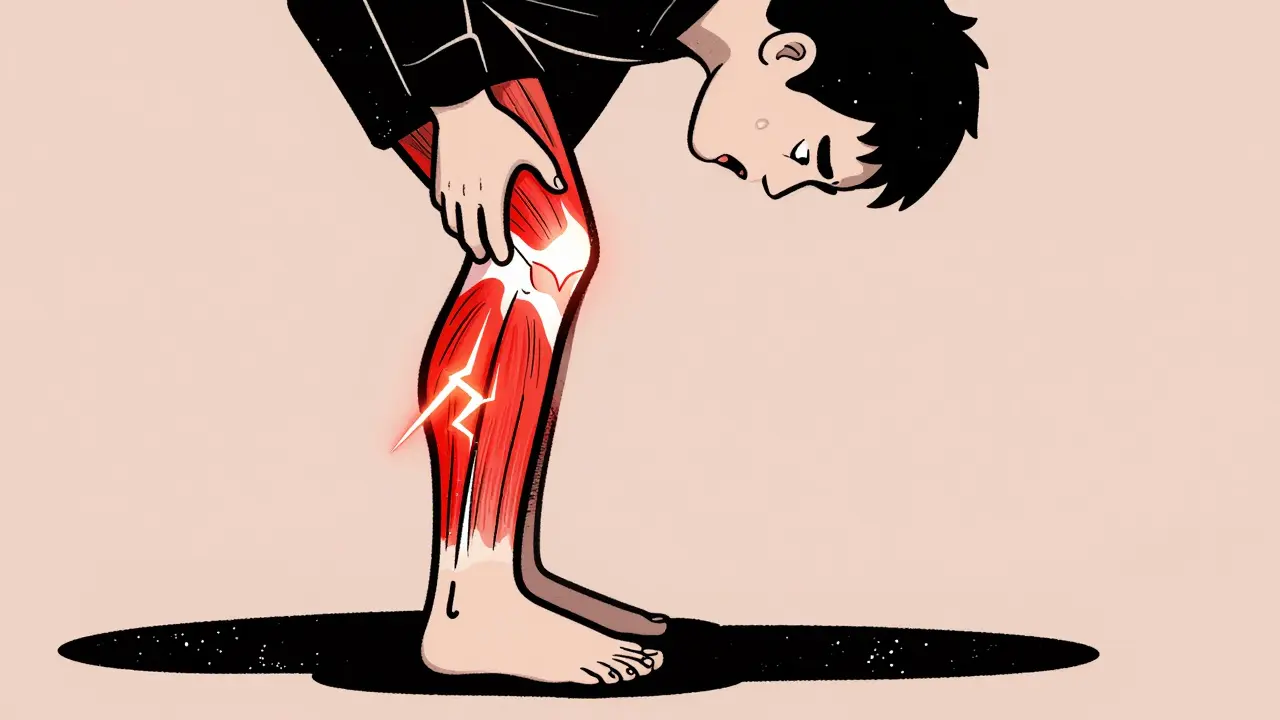
Statins are the gold standard for heart health, but they come with a catch. Around 10-15% of users experience Statin-Associated Muscle Symptoms (or SAMS), which range from mild soreness to severe weakness. When this happens, the first instinct is often to stop the drug. However, stopping completely removes the protective effect against cardiovascular events.
The goal of alternate-day dosing is to maintain a significant portion of the cholesterol-lowering power-typically 70-80% of the effect-while cutting the incidence of muscle pain by 30-50%. For someone who can't walk up the stairs because of leg aches, this trade-off is often more than worth it.
Why It Works: The Science of Half-Lives
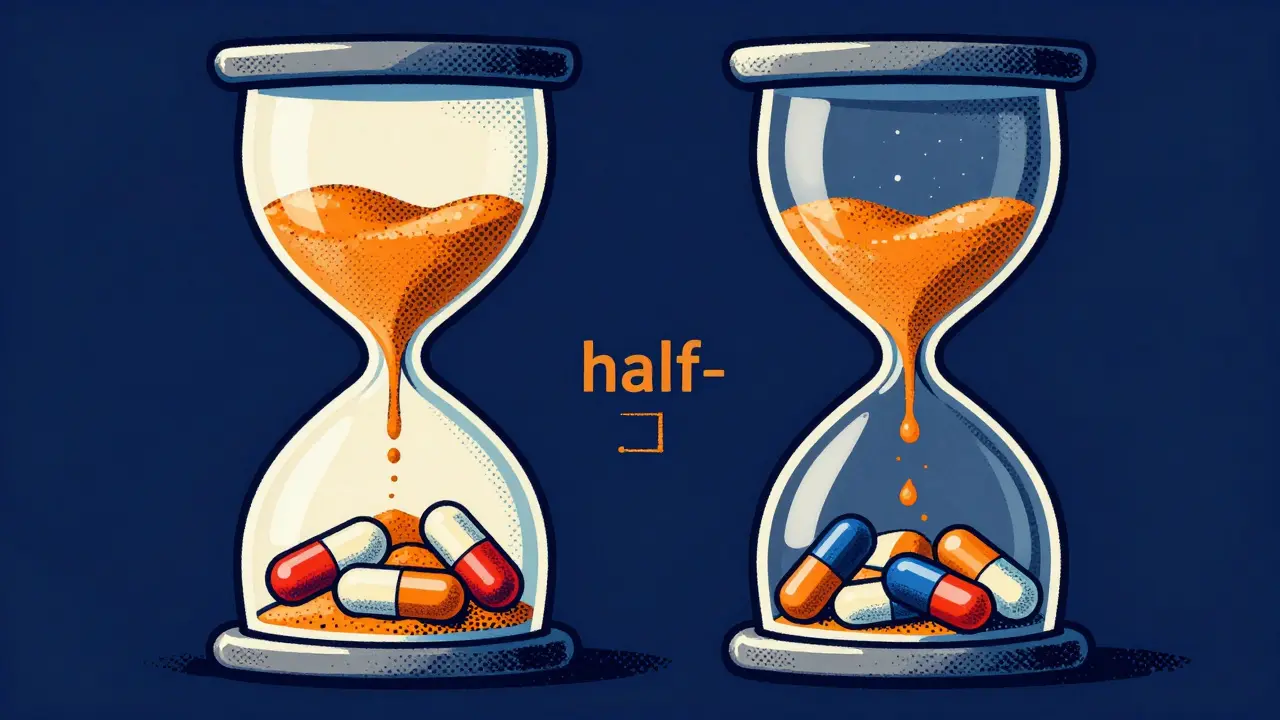
Not all statins are created equal. To understand why some work better every other day, we have to look at the "half-life" of the drug-which is basically how long it stays active in your system. If a drug disappears from your blood quickly, skipping a day causes your cholesterol levels to bounce back up immediately.
This is why Atorvastatin and Rosuvastatin are the primary candidates for this approach. Atorvastatin has a half-life of 14-30 hours, and Rosuvastatin lasts about 19 hours. Because they linger in the body, the "gap" created by skipping a day doesn't result in a total loss of efficacy.
On the other hand, older statins like Simvastatin have a very short half-life (only 1-3 hours). If you take Simvastatin every other day, the drug is gone long before the next dose, making the regimen far less effective for alternate-day statin dosing.
| Statin Type | Approx. Half-Life | Suitability for Alternate-Day | Primary Reason |
|---|---|---|---|
| Atorvastatin | 14-30 Hours | High | Long duration of action |
| Rosuvastatin | 19 Hours | High | Strong potency and duration |
| Simvastatin | 1-3 Hours | Low | Too short to maintain levels |
How Much LDL Reduction Can You Actually Expect?
The big question is always: "If I skip every other day, is it still working?" The evidence suggests the answer is a resounding yes. A major meta-analysis by Dr. Kamal Awad and the LBPMC Group found that alternate-day dosing of atorvastatin and rosuvastatin achieved 92-95% of the LDL reduction seen with daily dosing. In some cases, the difference in LDL reduction was as small as 3.2 mg/dL-a number so tiny it's practically negligible for most patients.
For example, a study by S. Pramanik showed that 20 mg of atorvastatin taken every other day reduced LDL by 42.3%, while daily dosing reduced it by 44.1%. For a patient struggling with side effects, that tiny 2% difference is a small price to pay for being able to walk without pain.
However, there is a caveat. If you have an extremely high-risk profile and need to hit a very stringent, low LDL target, daily dosing is still superior. If your target is 55 mg/dL and you're sitting at 70 mg/dL, skipping days might keep you just outside your goal range.
Implementation: How to Transition Safely
You shouldn't just decide to skip doses on your own. This is a medical strategy that requires monitoring. Most doctors follow a specific pattern when moving a patient to an alternate-day schedule:
- Patient Selection: This is usually reserved for people with documented statin intolerance-meaning they've tried at least two different daily statins and still experienced muscle pain.
- The Switch: Moving to a long-half-life drug (like Rosuvastatin) and scheduling it for Monday, Wednesday, Friday, and Sunday (and so on).
- Initial Monitoring: Checking LDL levels 4-6 weeks after the change to ensure the cholesterol isn't spiking too high.
- Symptom Tracking: Using tools like the STREAS (Statin Treatment-Related Adverse Effects Self-Assessment Tool) to confirm that the muscle pain is actually improving.
Some patients find that even alternate-day dosing is too much. In these cases, specialists might combine a twice-weekly statin dose with other medications like Ezetimibe or Colesevelam. This "cocktail" approach can maintain daily-level LDL reduction while keeping the statin exposure low enough to avoid muscle toxicity.
The Trade-offs: Costs, Risks, and Reality
One of the most immediate benefits of alternate-day dosing is the cost. You're using half the medication, which cuts your pharmacy bill by 50%. In a world where some newer cholesterol drugs like PCSK9 inhibitors can cost upwards of $10,000 a year, using a generic statin every other day is an incredibly budget-friendly alternative.
But it's not without risks. The biggest concern for cardiologists is the lack of long-term "outcome data." We know daily statins stop heart attacks. We don't have a 10-year study specifically on people taking them every other day. While the LDL numbers look good, we can't say with 100% certainty that the cardiovascular protection is identical.
There's also the "mental load." Taking a pill every day is a habit. Remembering if today is a "pill day" or a "skip day" can be surprisingly difficult. Many patients find themselves confused, which can lead to inconsistent dosing and fluctuating cholesterol levels.

Comparing Alternatives for Statin Intolerance
If alternate-day dosing doesn't work, you have other options. Bempedoic Acid is a newer drug that doesn't cause the same muscle issues because it's not activated in the muscle cells. However, it's often much more expensive than generic statins.
The decision tree usually looks like this: Try daily low-dose $\rightarrow$ Try a different statin $\rightarrow$ Try alternate-day dosing $\rightarrow$ Add Ezetimibe $\rightarrow$ Move to non-statin therapies. For most, the alternate-day route is the last attempt to keep a statin in the mix before moving to more expensive, newer agents.
Is alternate-day dosing FDA approved?
No, it is not FDA-approved. It is considered an "off-label" use of the medication. This means that while doctors may prescribe it based on clinical evidence and expert consensus, the official manufacturer's label still recommends daily dosing.
Which statins are best for this regimen?
Atorvastatin and Rosuvastatin are the best choices because they have long half-lives. This allows the drug to remain active in your system even on the days you don't take a dose.
Will I lose a lot of the cholesterol-lowering benefit?
Generally, no. Research shows you can maintain about 92-95% of the LDL-lowering effect compared to daily dosing, depending on the specific medication and your body's reaction.
Can I just start doing this on my own?
You should never change your medication schedule without consulting your doctor. They need to verify your LDL levels and ensure that skipping doses won't put you at a dangerous risk for a cardiovascular event.
What if I still have muscle pain on an alternate-day schedule?
If you still experience SAMS, your doctor might suggest a more aggressive reduction, such as twice-weekly dosing, or switching to a non-statin therapy like Ezetimibe or Bempedoic Acid.
Next Steps for Patients and Caregivers
If you're struggling with muscle pain, start by keeping a daily log of your symptoms. Note when the pain happens and if it's linked to specific activities. Bring this log to your doctor and ask specifically about atorvastatin or rosuvastatin alternate-day protocols.
To solve the "did I take it today?" problem, use a physical pill organizer with alternating colors or a smartphone app with reminders. This removes the guesswork and ensures you're getting the consistent dosing needed to keep your heart protected.