
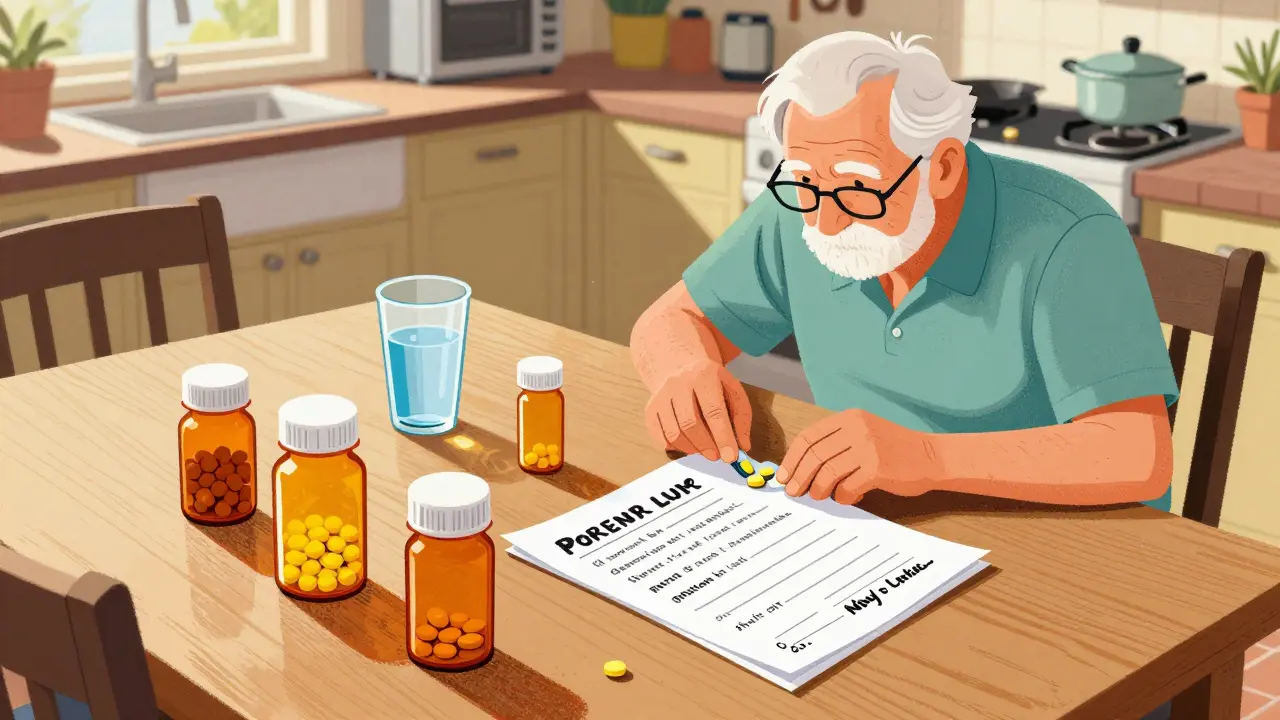
The reality is that Medication Adherence is the behavior of taking medications exactly as a healthcare provider prescribes them. It is a massive hurdle in geriatric care. Data from the Kaiser Family Foundation shows that 89% of adults 65 and older take at least one prescription drug, and over half are juggling four or more. When a regimen gets complex, the likelihood of mistakes skyrockets.
| Barrier Type | Primary Example | Estimated Impact/Prevalence |
|---|---|---|
| Social/Family | Lack of caregiver support | High (Up to 33.6%) |
| Educational | Misunderstanding dosage labels | Moderate (Approx 23.7%) |
| Clinical/Physical | Poor dexterity or vision loss | Significant (Physical barriers) |
| Financial | Choosing food over prescriptions | Varies by demographic |
The Polypharmacy Trap
When a patient is taking five or more medications, they have entered the realm of Polypharmacy, the concurrent use of multiple medications, often more than are clinically necessary. This isn't just about the sheer number of pills; it's about how they interact. For many older adults, this creates a "snowball effect." A drug for hypertension might cause a side effect that requires a second drug to treat, which then causes a third issue.
This complexity makes it incredibly easy to fail. Patients managing three or four daily doses have significantly lower adherence rates than those on a once-a-day plan. Even more dangerous is that Adverse Drug Reactions (ADRs) occur in about 35% of ambulatory seniors annually. The tricky part? These reactions often look like aging. A sudden increase in falls or a bout of urinary incontinence might be dismissed as "just getting old," when in reality, it's a medication reaction. This often leads patients to self-adjust their doses-skipping a pill because it makes them feel "weird"-without telling their doctor.
Why Seniors Stop Taking Their Meds
It is easy to assume that people just forget, but the reasons for non-adherence are usually deeper and more systemic. We can break these down into three main buckets: the patient, the drug, and the system.
First, there are the patient-related barriers. Cognitive decline is a major one. It's not just forgetting the pill; it's forgetting why the pill is important. If a senior doesn't feel the immediate benefit of a statin, they might stop taking it. Physical limitations also play a role. Try opening a child-proof cap when you have severe arthritis-it's a daily battle that can lead to frustration and skipped doses.
Then we have medication-related barriers. This includes the timing and the sheer volume of the regimen. If a drug requires a strict fasting window or needs to be taken at 3 AM, the odds of success drop.
Finally, systemic barriers are often the most invisible. High out-of-pocket costs are a silent killer. According to the CDC, some seniors are forced to make an impossible choice between their medication and their groceries. This is especially prevalent among those facing food insecurity, where cost-related non-adherence is six times higher than in food-secure households.
Practical Solutions for Better Adherence
Fixing this problem requires more than just a "reminder app." We need a combination of clinical simplification and social support. The goal is to reduce the friction between the prescription and the single act of swallowing the pill.
1. Simplify the Regimen
One of the most effective moves a doctor can make is switching a patient to once-daily dosing. Reducing the number of times a patient has to engage with their medication increases the chance they'll actually do it. This often involves working with a
Pharmacist to find extended-release versions of drugs or combination pills that merge two treatments into one.
2. Implement Medication Management Systems
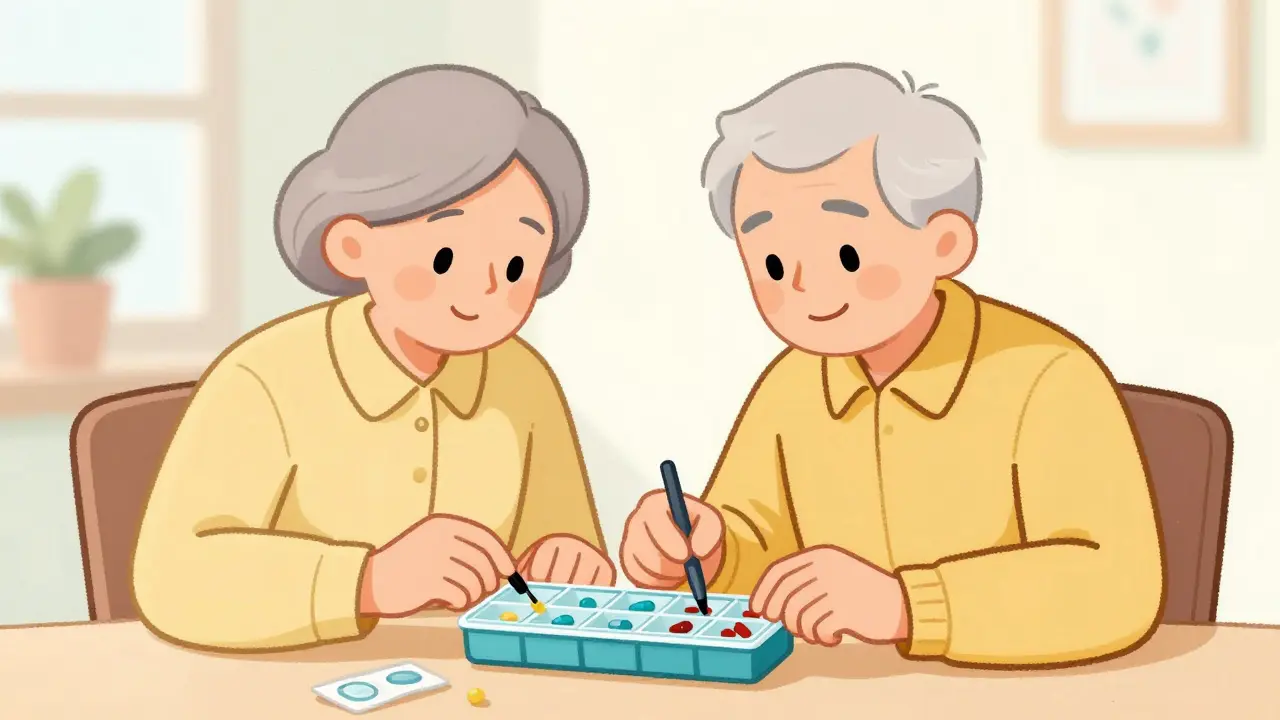
Low-tech solutions often beat high-tech ones for seniors. Multi-compartment pill organizers (pill boxes) are a gold standard. For those with more severe cognitive impairment, automated dispensers that beep and rotate to the correct dose can remove the guesswork entirely.
3. Bridge the Literacy Gap
Medical jargon is a barrier. When a prescription says "take PRN," many patients don't know that means "as needed." Health providers should use plain language and "teach-back" methods-asking the patient to explain the dosing back to them in their own words to ensure there's no misunderstanding.
4. Strengthen the Support Network
Since social and family support is the biggest barrier (accounting for over 33% of challenges in some studies), involving a family member or home health aide is critical. A simple check-in call or a weekly pill-sorting session can be the difference between a stable health status and a hospitalization.
The Role of Routine and Unexpected Triggers
Interestingly, some life changes can actually help. Retirement often provides a structured daily routine that makes medication easier to track. Even a history of a stroke (CVA) can sometimes increase adherence because the patient becomes hyper-aware of their health risks and more disciplined about their regimen.
However, stability is fragile. A routine hospitalization for an unrelated injury can completely derail a senior's medication habit. When they return home, the transition is often chaotic. This is where a "medication reconciliation" is vital-a process where the doctor and pharmacist double-check every single drug the patient is taking to ensure no new prescriptions conflict with old ones.
Navigating the Cost Crisis
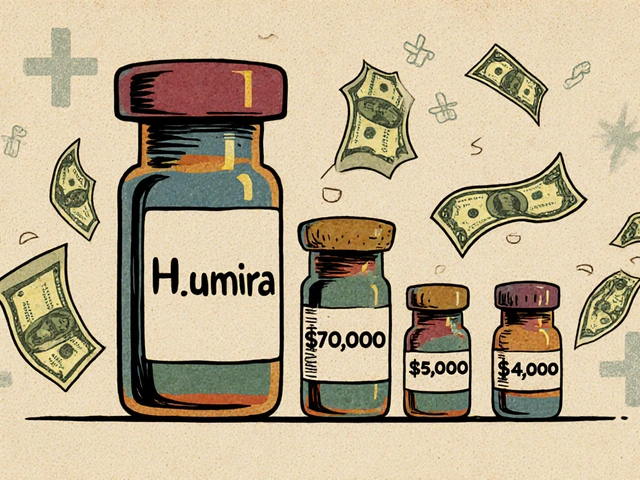
We cannot talk about adherence without talking about money. When a patient delays a prescription fill or takes half-doses to make the bottle last longer, it is almost always a financial decision. To fight this, families and providers should look into:
- Generic Alternatives: Switching from brand-name to bioequivalent generics can slash costs without sacrificing efficacy.
- Patient Assistance Programs: Many pharmaceutical companies offer programs to provide drugs for free or at a discount to low-income seniors.
- Prescription Coverage Review: Ensuring the patient is maximizing their public or private insurance benefits to minimize out-of-pocket spending.
What is the most common reason seniors miss their medication?
While forgetfulness is common, the biggest barriers are often social and systemic. Lack of family support and low health literacy (difficulty understanding instructions) are major contributors, alongside the sheer complexity of taking multiple drugs daily (polypharmacy).
How can I tell if my loved one is struggling with their meds?
Look for red flags like "mystery pills" left in the house, sudden changes in mood or physical stability (like unexplained falls), or a lack of improvement in their chronic condition despite being on treatment. Some may also hide medications if they dislike the side effects.
Does polypharmacy always mean too many drugs?
Not necessarily. Polypharmacy is defined as taking multiple medications, but it becomes a problem when the drugs are not medically necessary or when they interact poorly. A clinical review by a doctor can determine if some medications can be tapered off safely.
Can a pill organizer actually prevent medical errors?
Yes, they provide a visual confirmation of whether a dose was taken. For those with higher risk, automated dispensers are even better as they only release the specific pill needed at the scheduled time, preventing accidental double-dosing.
Why do some seniors stop taking meds without telling their doctor?
Many seniors attribute side effects-like dizziness or fatigue-to the medication and decide to lower the dose themselves to feel "better." They may also stop taking a drug if they don't feel an immediate physical change, especially with silent killers like high blood pressure.
Next Steps for Caregivers
If you are helping a senior manage their health, start with a full audit. Gather every single bottle-including over-the-counter vitamins and supplements-and create a master list. Schedule a "brown bag” appointment with their primary care provider, where all these medications are reviewed together.
For those dealing with high costs, contact the pharmacy to see if there are generic alternatives or discount programs available. Finally, focus on the environment. Ensure the medication area is well-lit and that labels are printed in a font size the patient can actually read. Small changes in the physical space can lead to huge gains in health outcomes.

Sam Hayes
April 4, 2026 AT 17:11pill organizers are definitely the way to go especially the ones with alarms for the really forgetful folks
Will Baker
April 4, 2026 AT 21:44Oh sure, just buy a plastic box and suddenly the systemic failure of the entire healthcare system is fixed. Truly groundbreaking stuff here.
Mark Zhang
April 5, 2026 AT 08:14I completely agree that the social support aspect is huge. Sometimes just having a family member spend an hour a week organizing everything can take a massive weight off a senior's shoulders and give them so much peace of mind. It's about the emotional support as much as the physical organization.
Dee McDonald
April 6, 2026 AT 12:16WE NEED MORE OF THIS ENERGY! Getting doctors to actually use plain language isn't just a suggestion, it's a requirement for decent care! I've seen too many people nod along to jargon they don't understand just because they're intimidated. We have to push for the teach-back method in every single clinic across the country! Let's make it happen!
Aysha Hind
April 8, 2026 AT 00:54Of course they want you on a cocktail of ten different drugs. It's a beautiful little cycle of profit where one pill creates a side effect and then boom, you're paying for another one to fix the first one. It's a pharmaceutical shell game and the seniors are just pawns in this corporate nightmare. Don't trust the 'combination pills' either, that's just a way to lock you into a specific brand's ecosystem.
Vicki Marinker
April 8, 2026 AT 20:02The assertion that retirement provides a structured routine is an optimistic oversimplification. In reality, the loss of professional identity often leads to a profound lack of motivation, which inevitably results in missed doses regardless of how 'structured' the day is supposed to be. The logic here is simply flawed.
HARSH GUSANI
April 9, 2026 AT 01:30Why are we only talking about US and UK problems? In India, we have huge families and we take care of our elders way better than this cold Western way 🇮🇳💪 This whole post assumes the family is a 'barrier' instead of the solution! Totally wrong perspective! 😡
Rob Newton
April 10, 2026 AT 06:21Apps are useless. Real discipline is the only cure.
Sakshi Mahant
April 11, 2026 AT 17:43It is very heart-wrenching to think of elders choosing between food and medicine. In many cultures, the community comes together to support the elderly in these moments, and perhaps we can learn to integrate that kind of collective care into the formal healthcare systems described here to ensure no one suffers in silence.