
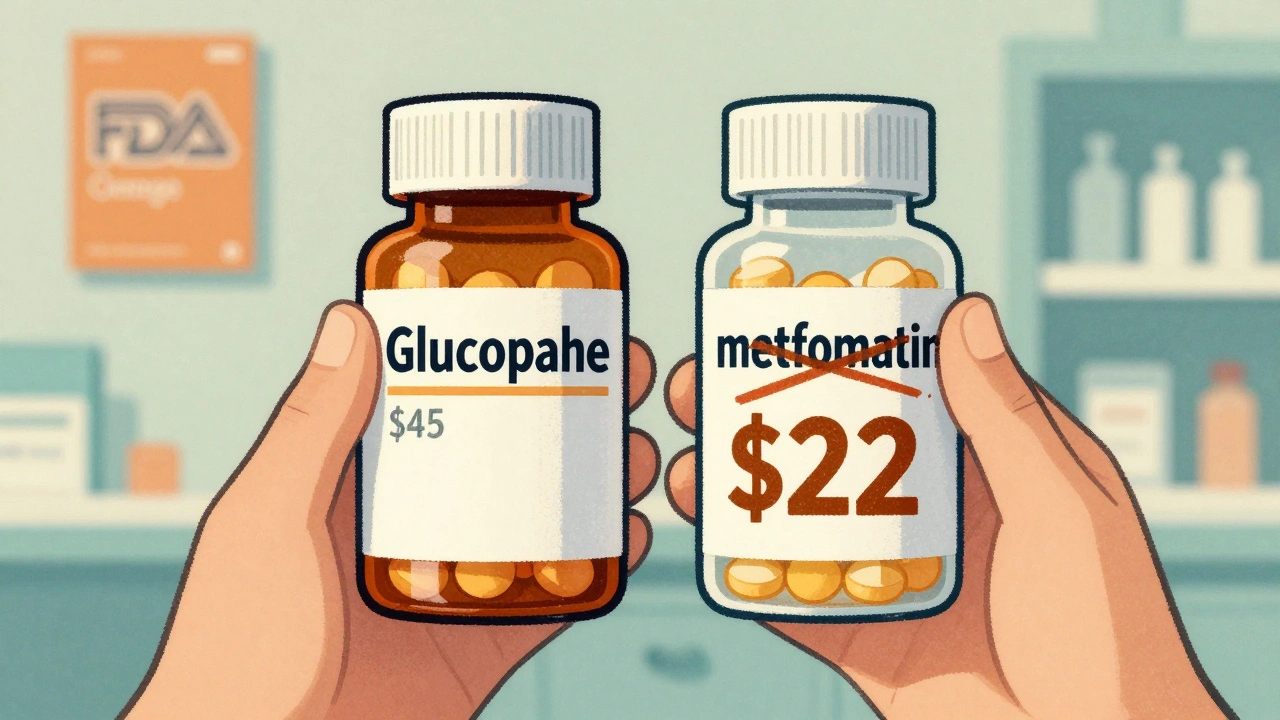
Learn how to switch from a brand-name drug to an authorized generic - the same medicine at a lower price. Get practical tips on identifying, accessing, and switching safely with FDA-approved options.
View More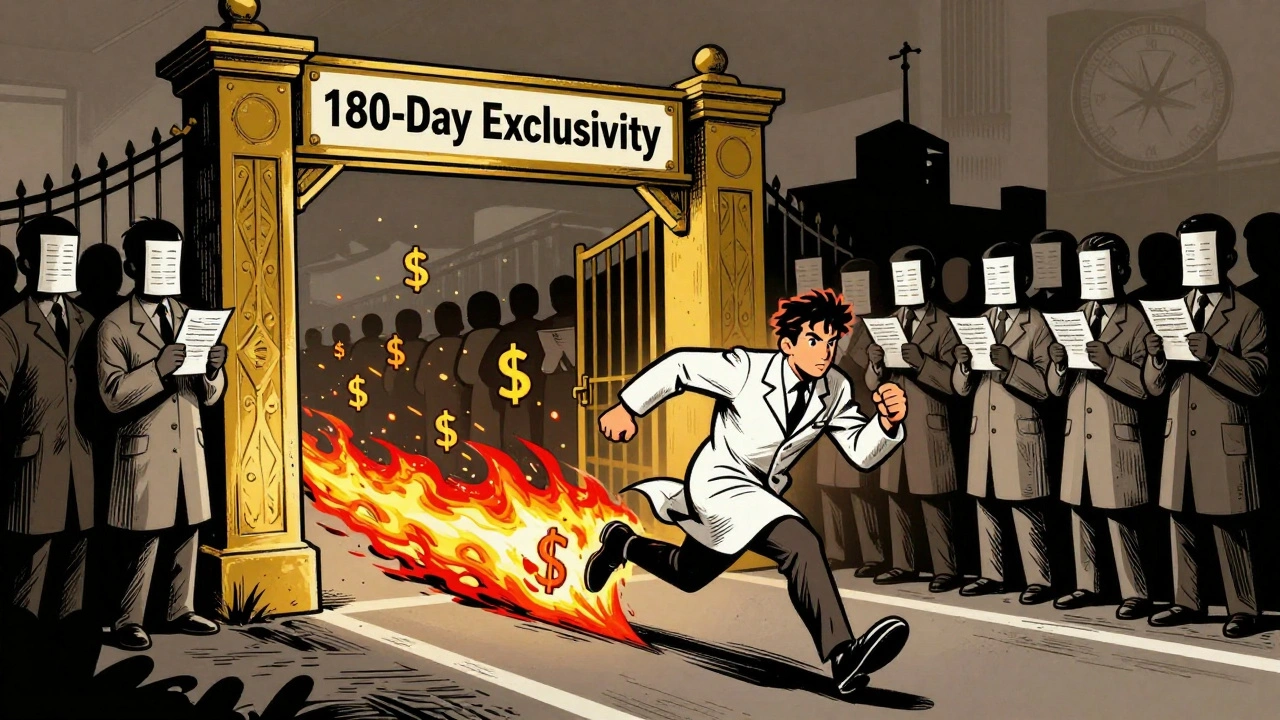
After the first generic enters the market, a cascade of competitors follows, triggering massive price drops. Learn how authorized generics, PBM contracts, and manufacturing bottlenecks shape the chaotic race to dominate generic drug markets.
View More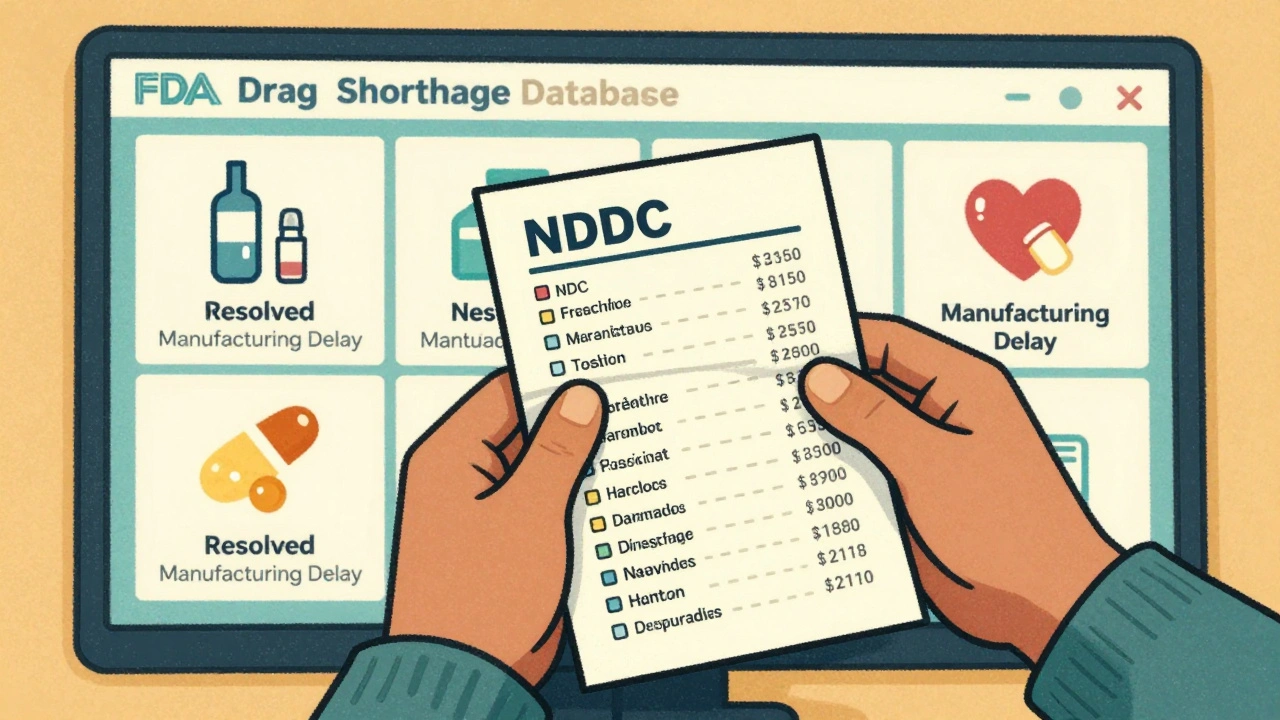
Learn how to use the FDA drug shortage database to check if your medication is in short supply, understand status codes, find alternatives, and report shortages. Essential for patients and caregivers.
View More
Learn how to search the FDA's FAERS database for side effect reports with practical tips on using the Public Dashboard, avoiding common misinterpretations, and understanding the limits of the data for real-world decisions.
View More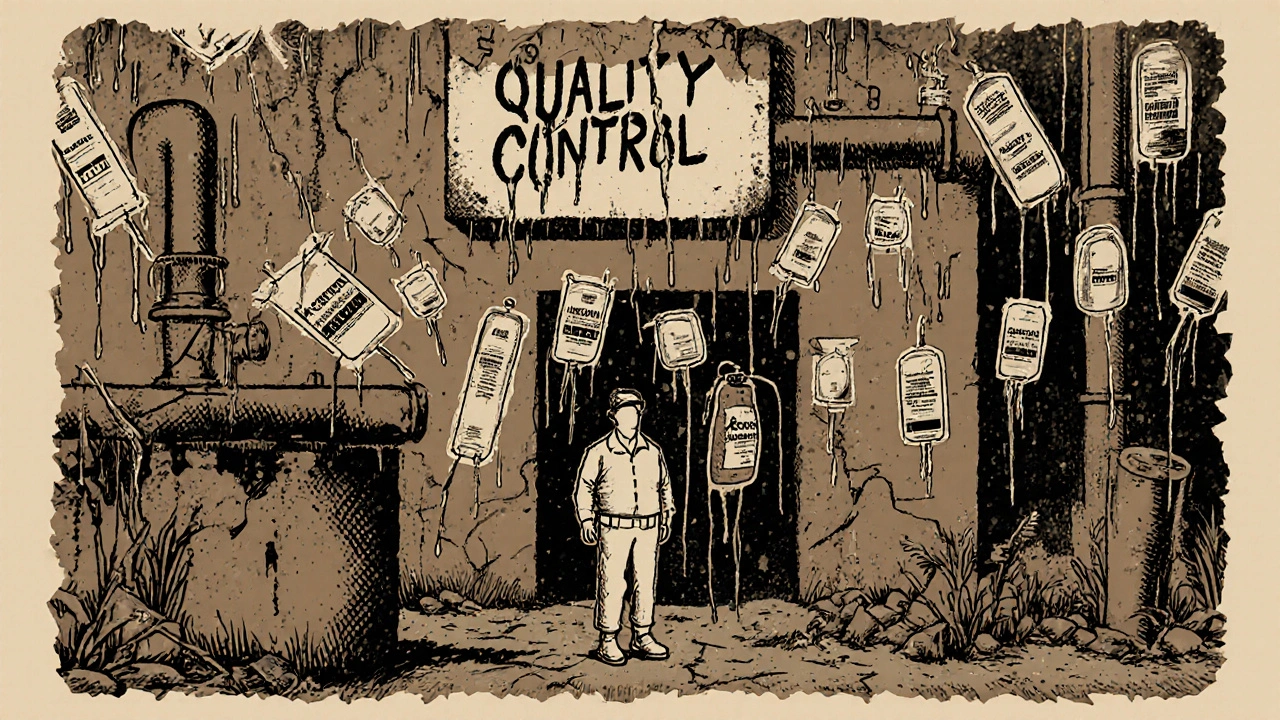
Generic drug shortages are caused by manufacturing failures, global supply chain concentration, and unprofitable pricing. Over 60% of shortages stem from production issues, with most active ingredients made in just two countries. Low margins drive manufacturers out, leaving no backup when things go wrong.
View More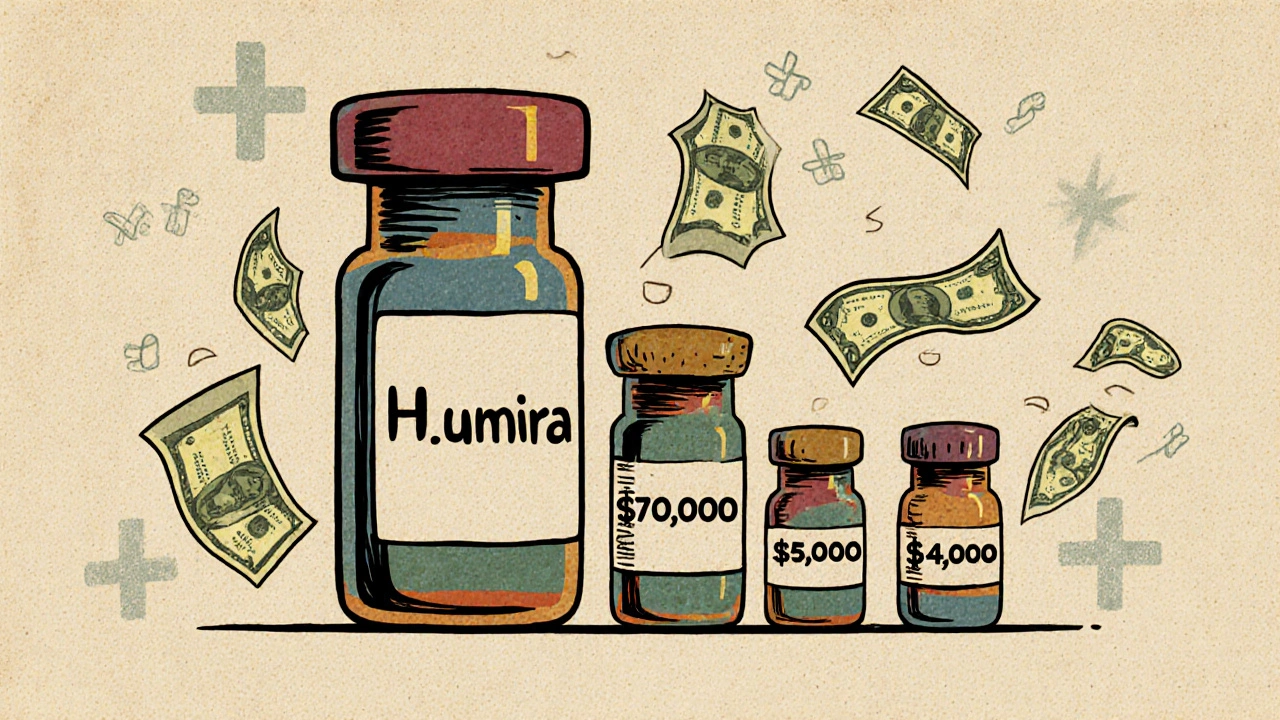
Biosimilars offer real cost savings on expensive biologic drugs, with up to 85% discounts on list prices. Yet most spending still goes to originators due to rebate systems and slow adoption. Learn how much you could save and why competition isn’t moving faster.
View More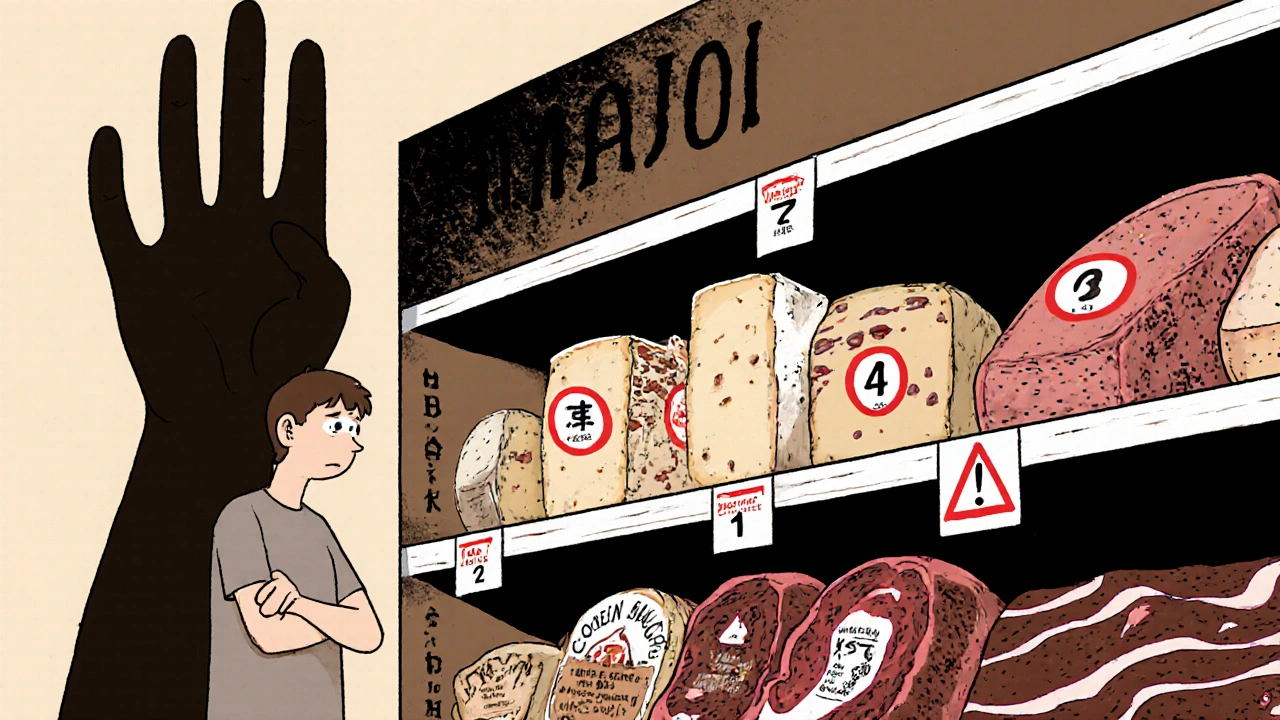
MAOIs are powerful antidepressants for treatment-resistant depression, but they come with strict dietary rules and dangerous drug interactions. Learn what you need to know before considering them.
View More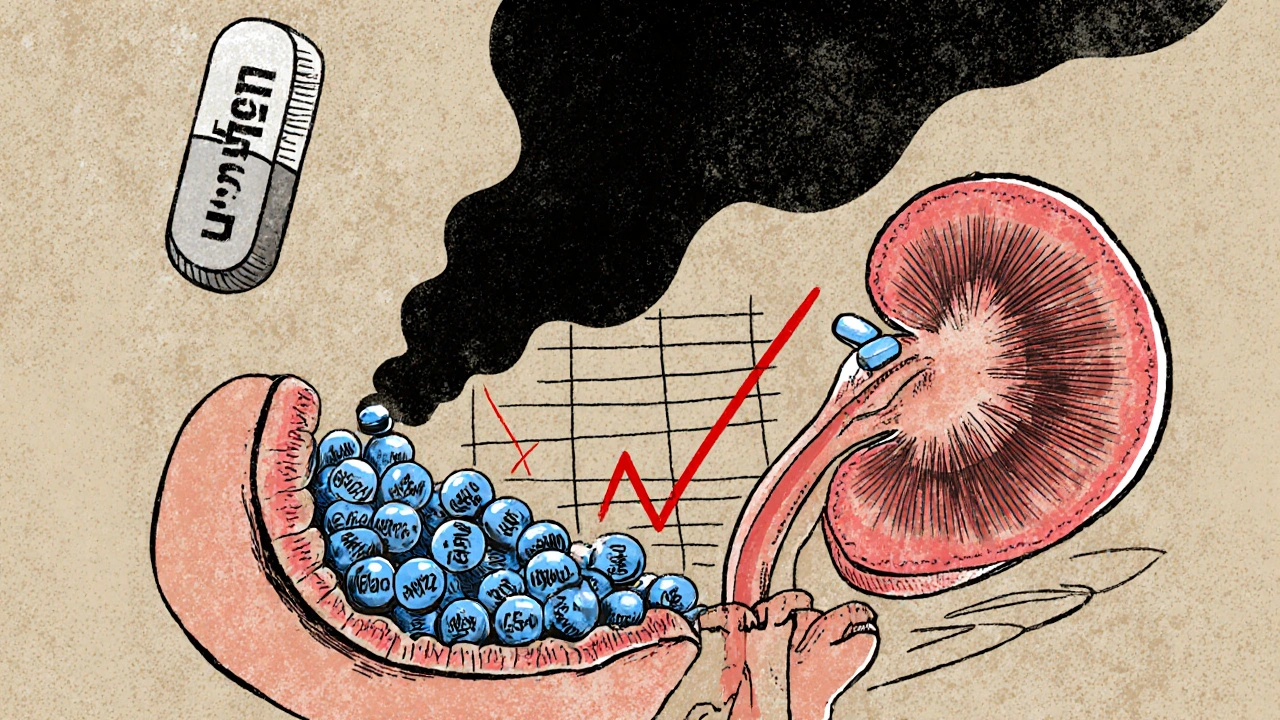
Lithium is effective for bipolar disorder but dangerous when combined with common drugs like diuretics and NSAIDs. Learn how these interactions raise toxicity risk and what steps to take to stay safe.
View More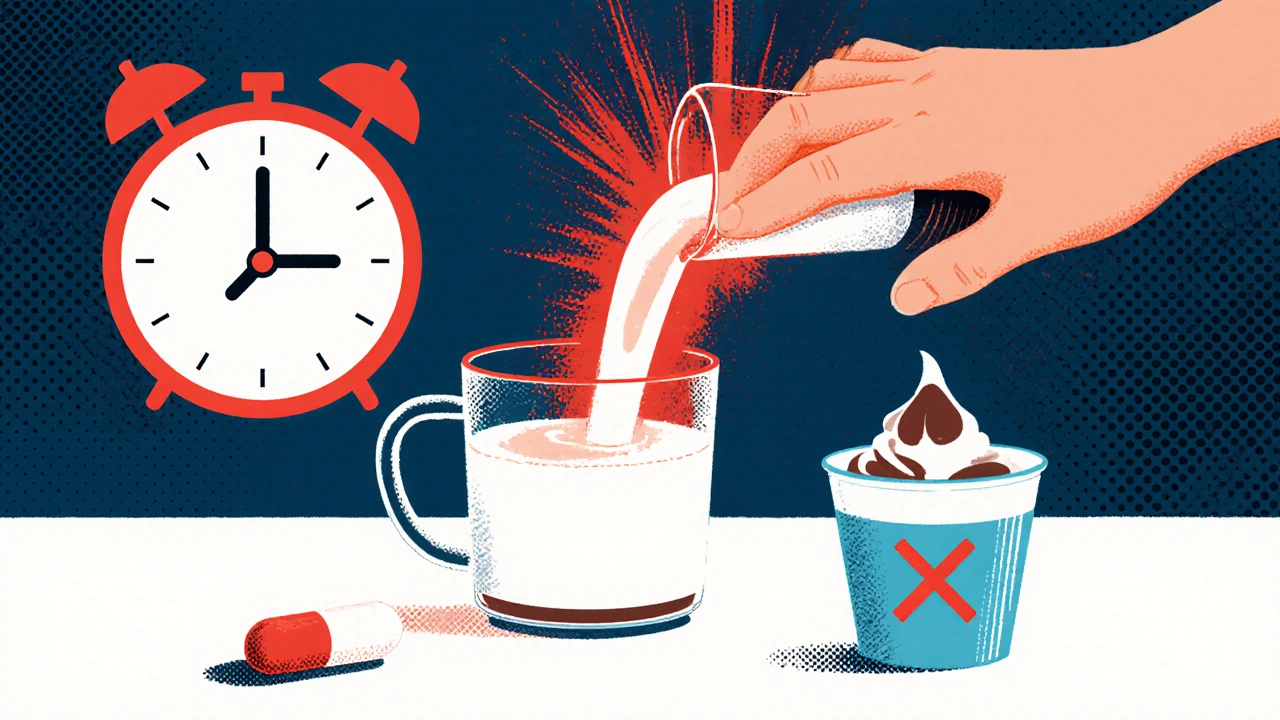
Dairy can block up to 92% of certain antibiotics from being absorbed. Learn which ones are affected, how long to wait, and what to avoid to make sure your treatment works.
View More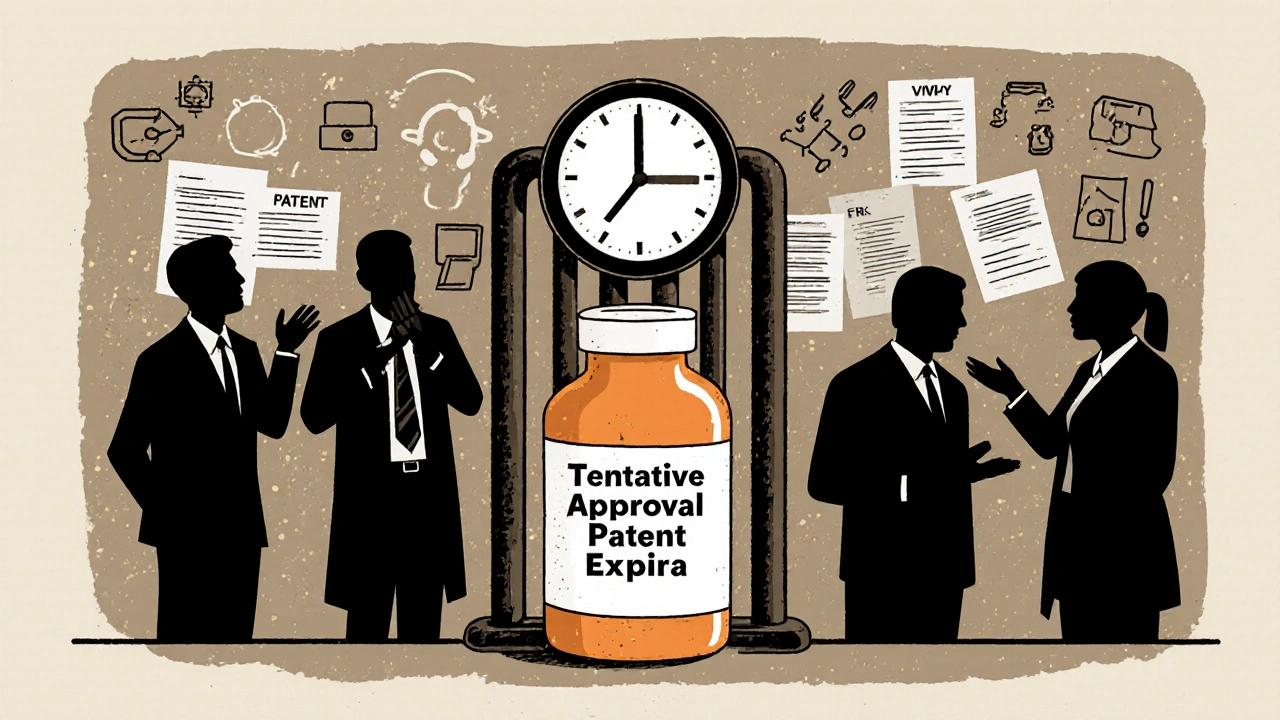
Tentative approval from the FDA means a generic drug is scientifically ready-but not legally allowed to sell. Common delays include patent lawsuits, slow paperwork, manufacturing issues, and profit-driven market decisions. Here’s why these drugs sit on the shelf.
View More