

Learn about common medication side effects, when they’re normal, and which ones require urgent medical attention. Know what to watch for and how to report reactions to keep yourself and others safe.
View More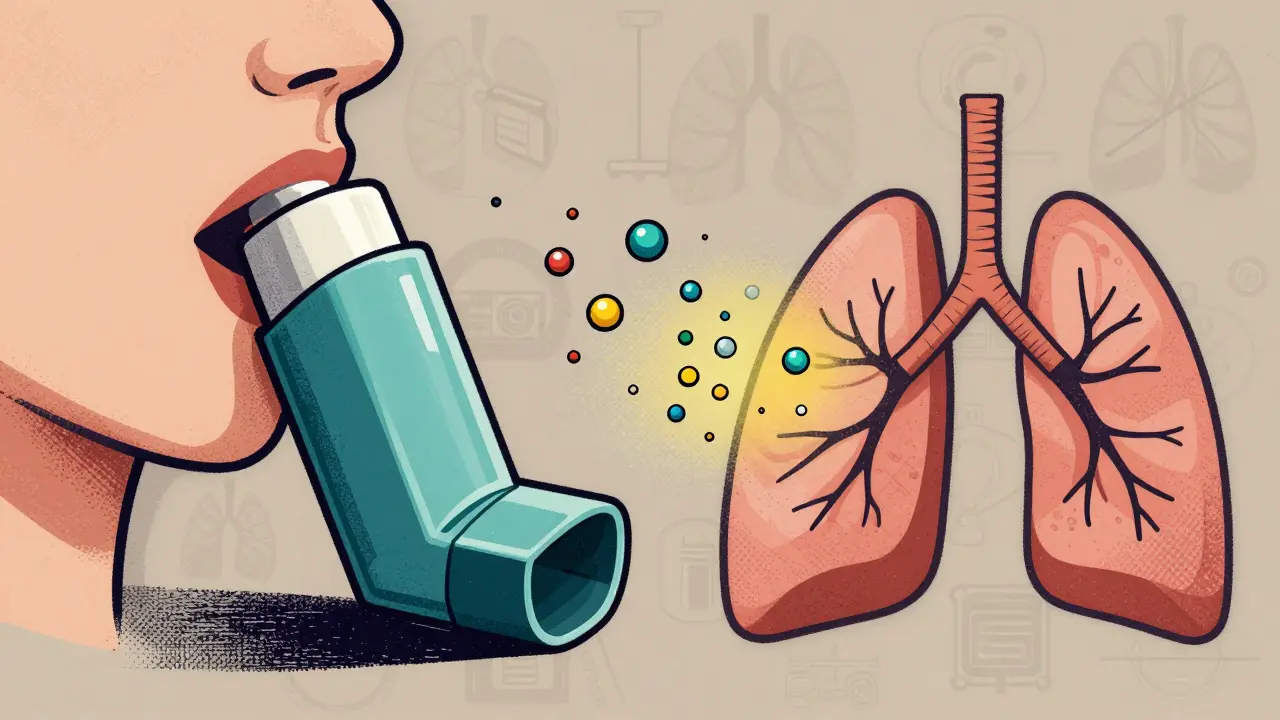
Bioequivalence for inhalers, patches, and injections ensures generic drugs work as well as brand-name versions. Unlike pills, these systems require complex testing to prove they deliver medicine correctly to the lungs, skin, or bloodstream.
View More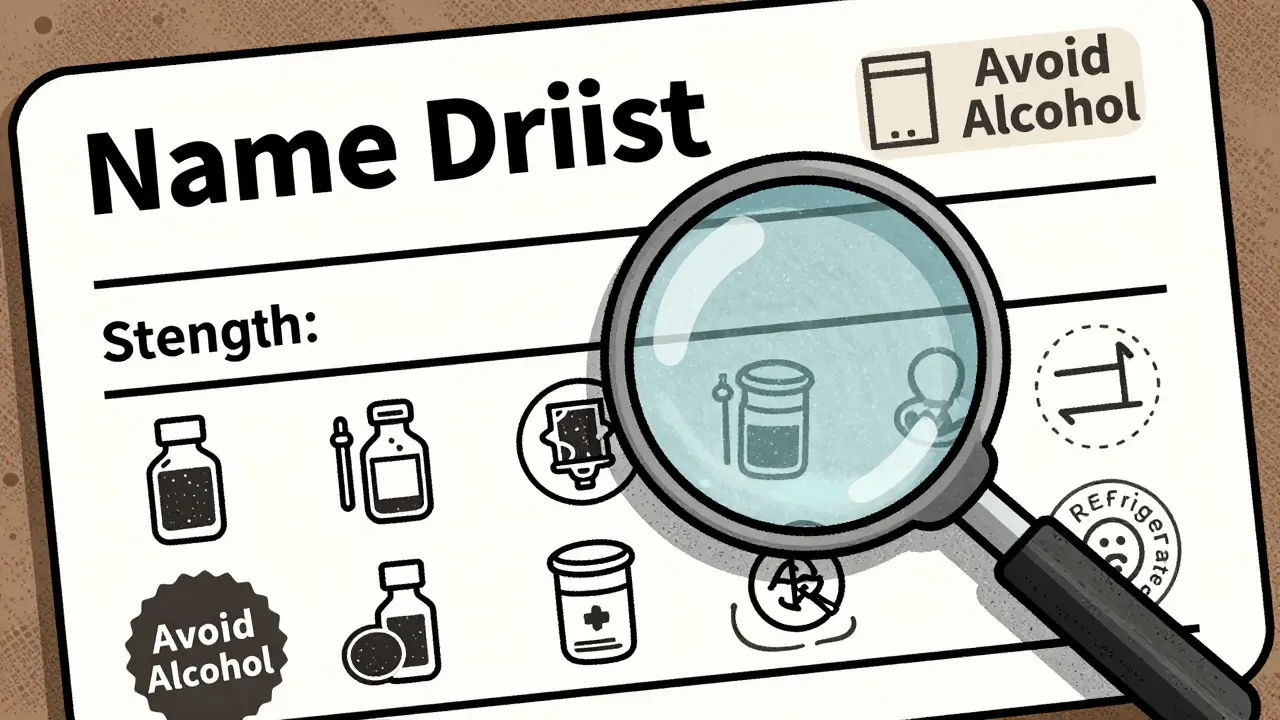
Learn how to read your prescription label step by step to avoid dangerous mistakes. Understand each section, spot common errors, and know when to ask your pharmacist for help.
View More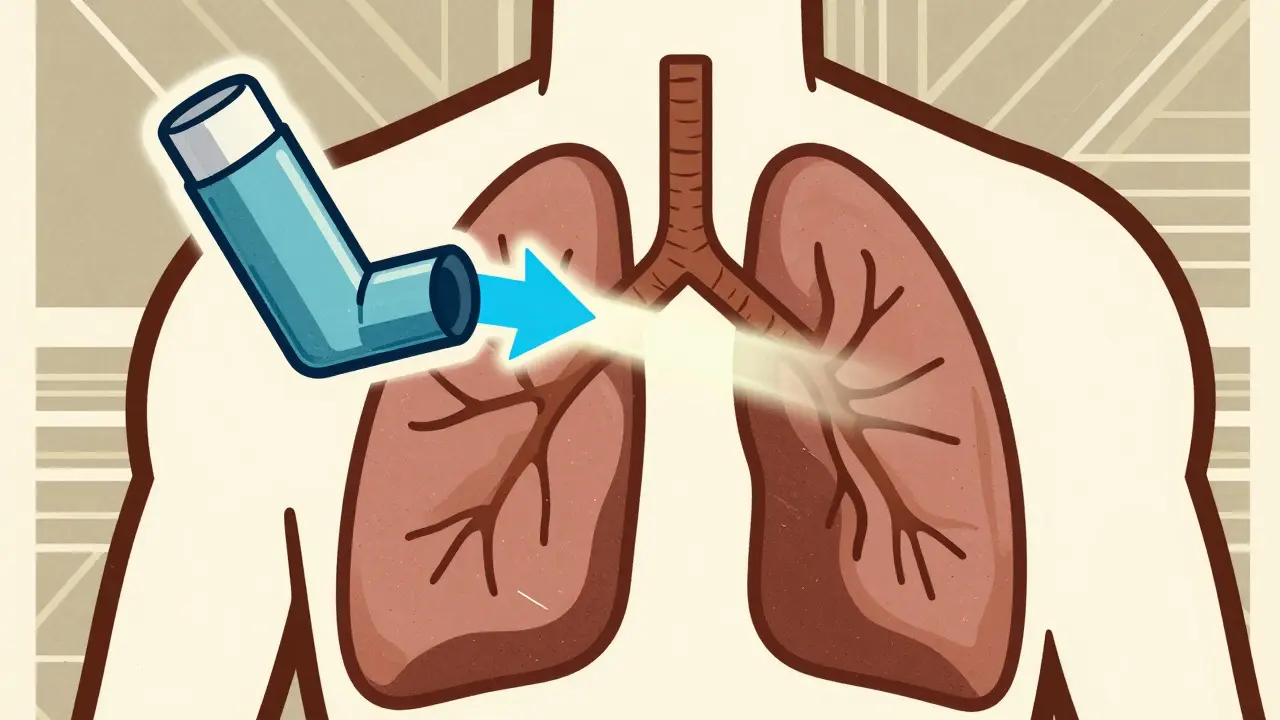
Bronchodilators open tight airways fast, while corticosteroids reduce long-term inflammation. Used together correctly, they’re the most effective way to manage asthma and COPD. Learn how they work-and why timing matters.
View More
FDA safety alerts for generic drugs often lag behind brand-name drugs because manufacturers can't update labels on their own. Learn how the system works, why it's flawed, and what you can do to protect yourself.
View More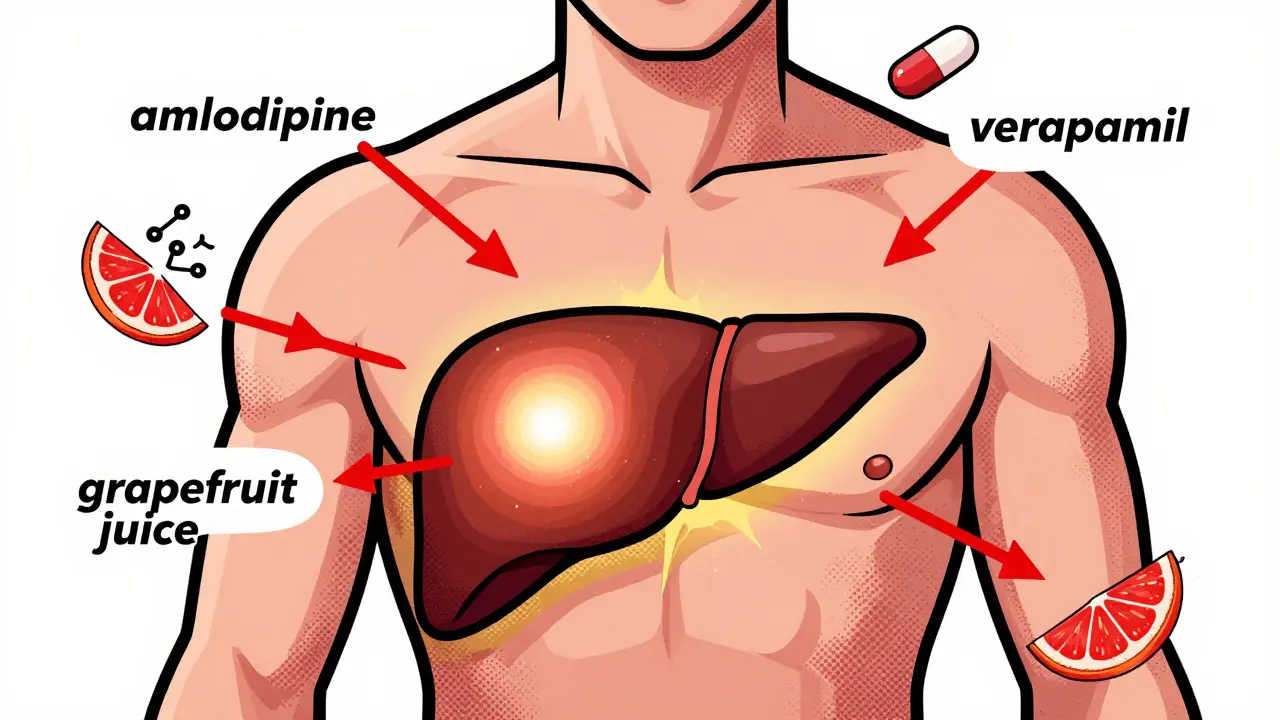
Calcium channel blockers are widely used for high blood pressure and heart conditions, but their safety depends heavily on how they interact with other drugs. Learn how CYP3A4 metabolism, grapefruit juice, and kidney function affect clearance and risk.
View More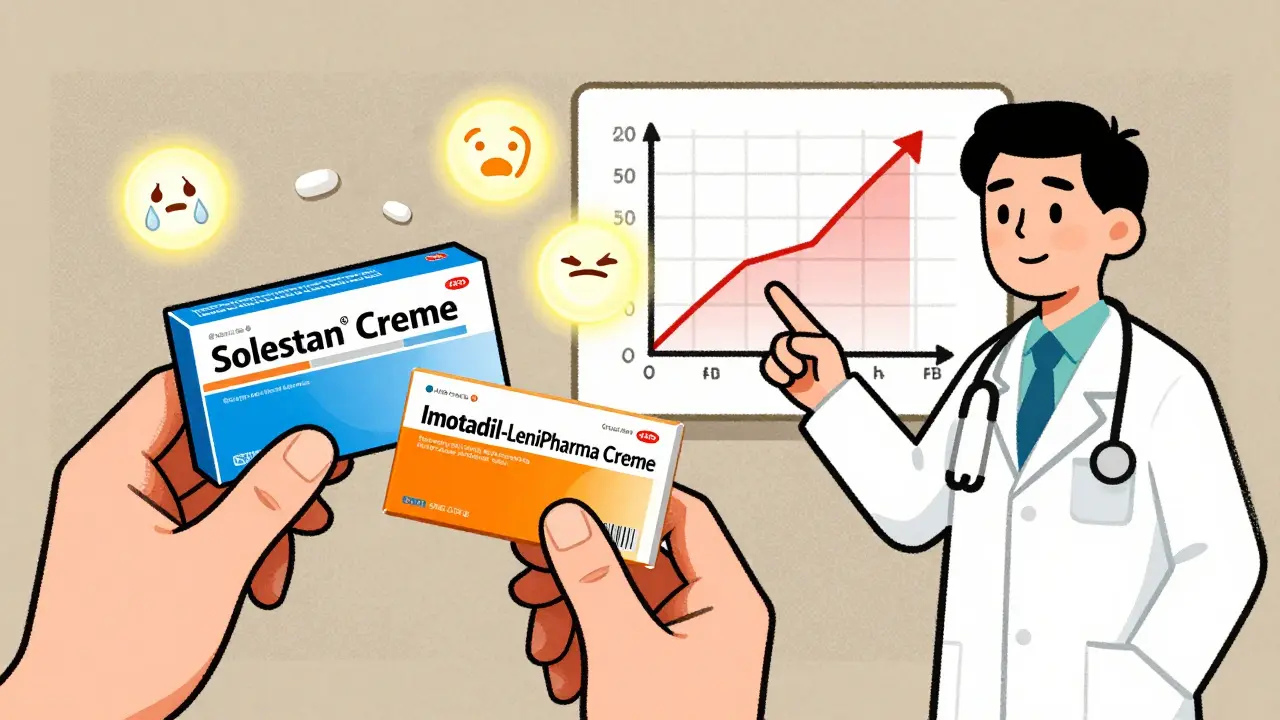
Learn how patient perceptions and the nocebo effect can make generics feel less effective-even when they're chemically identical to brand-name drugs. Discover practical strategies for healthcare providers to reduce fear, build trust, and improve outcomes.
View More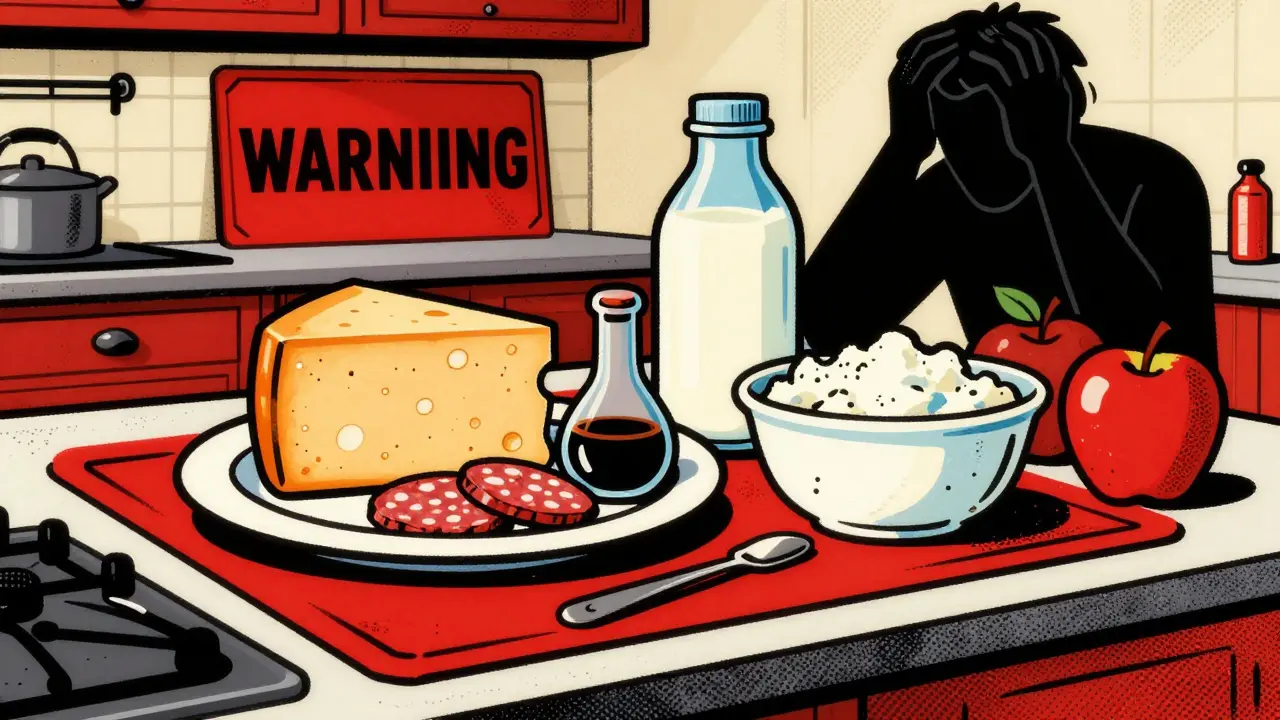
MAOIs are effective antidepressants but require strict dietary restrictions to avoid dangerous tyramine interactions. Learn which foods to avoid, safe alternatives, and how to stay protected while taking these powerful medications.
View More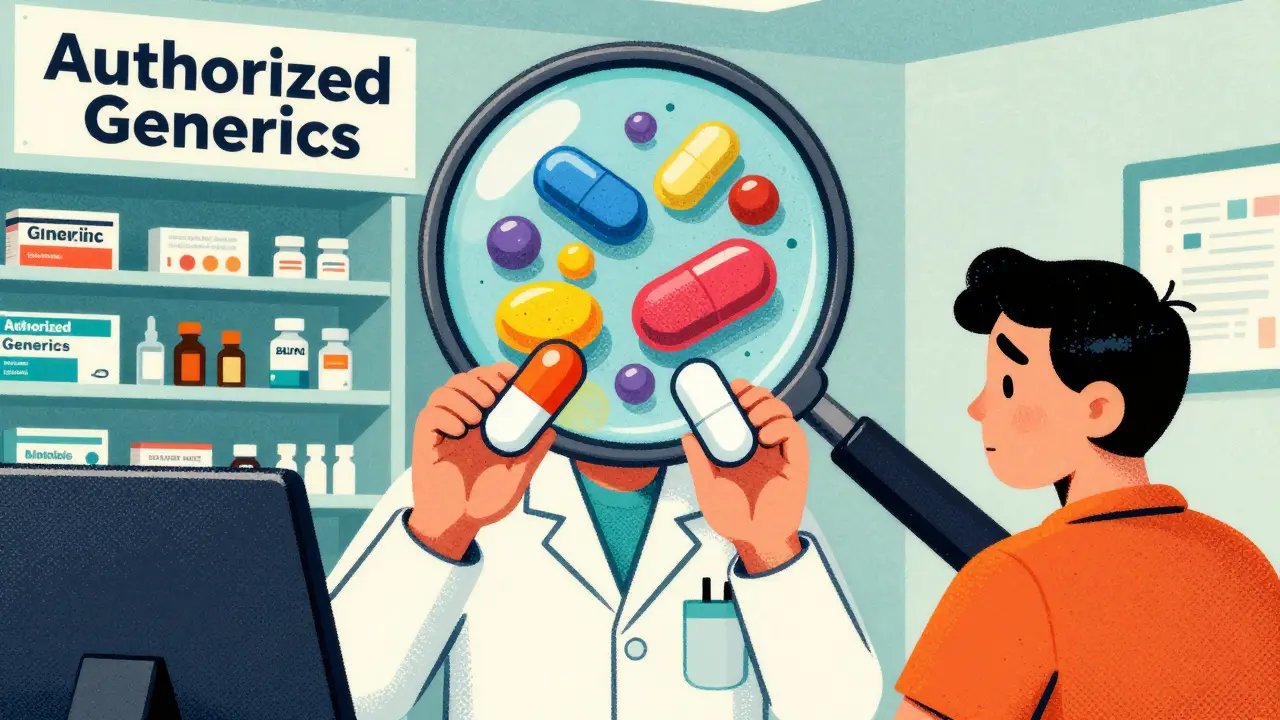
Pharmacists should recommend authorized generics for patients with allergies to inactive ingredients, those on narrow therapeutic index drugs, or those using complex dosage forms. These are exact copies of brand-name drugs with major cost savings.
View More
Therapeutic drug monitoring helps ensure generic antiretrovirals with narrow therapeutic indexes work safely and effectively. It's not for all HIV drugs, but for key ones, it prevents toxicity and treatment failure when standard dosing fails.
View More