
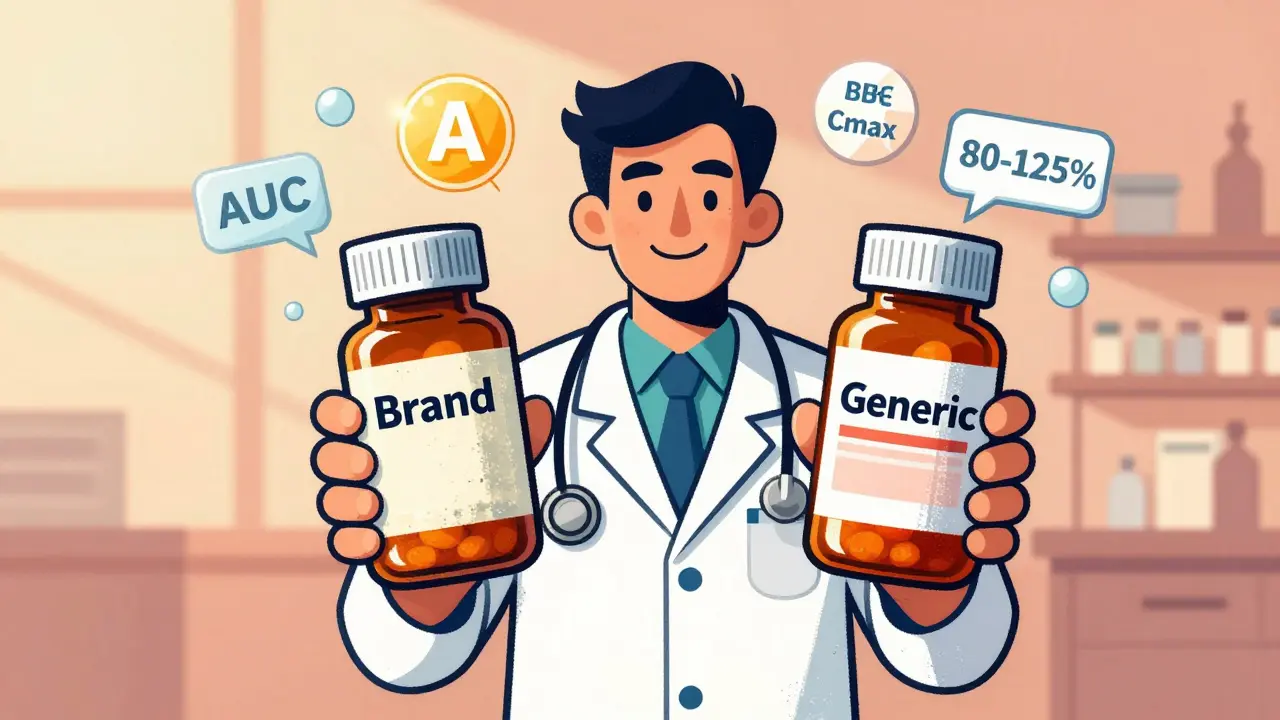
Provider education on generics improves clinician confidence, reduces patient skepticism, and boosts medication adherence. With generics making up 90% of U.S. prescriptions, better education means better health and lower costs.
View More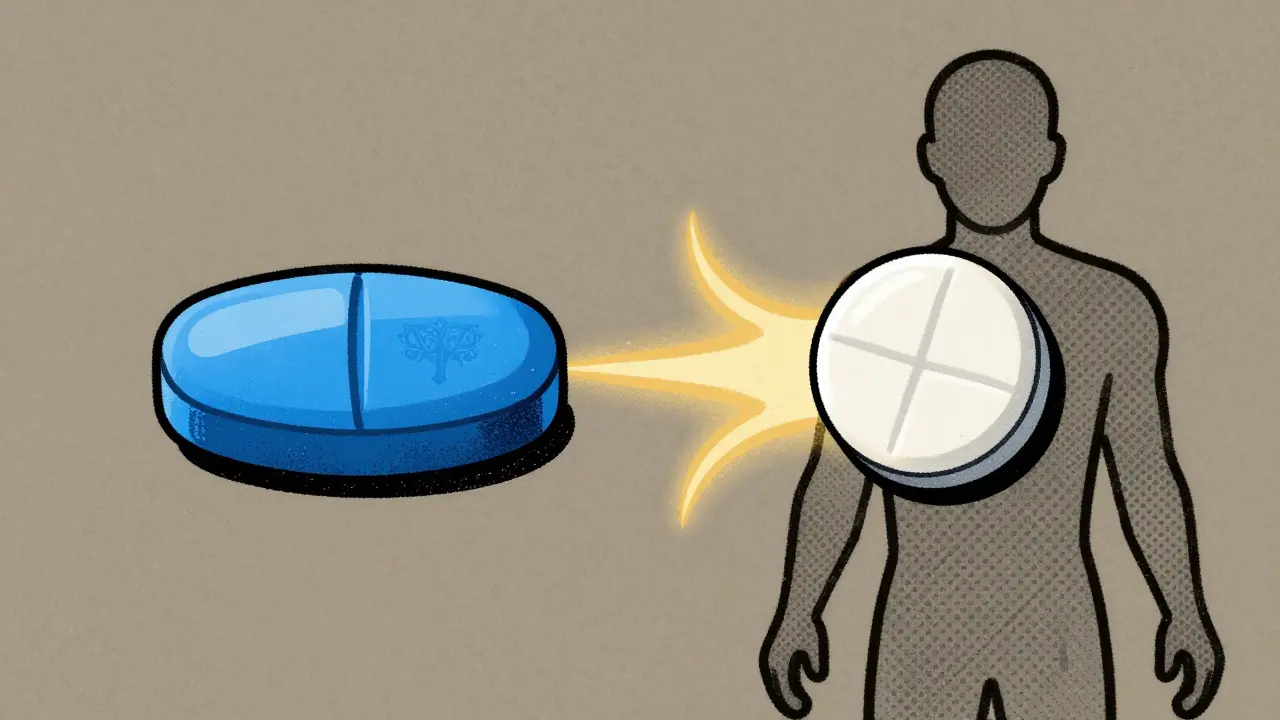
Generic drugs contain the same active ingredients as brand-name medications and are held to the same FDA standards for safety and effectiveness. They save billions annually and work just as well for most people - with rare exceptions for sensitive conditions.
View More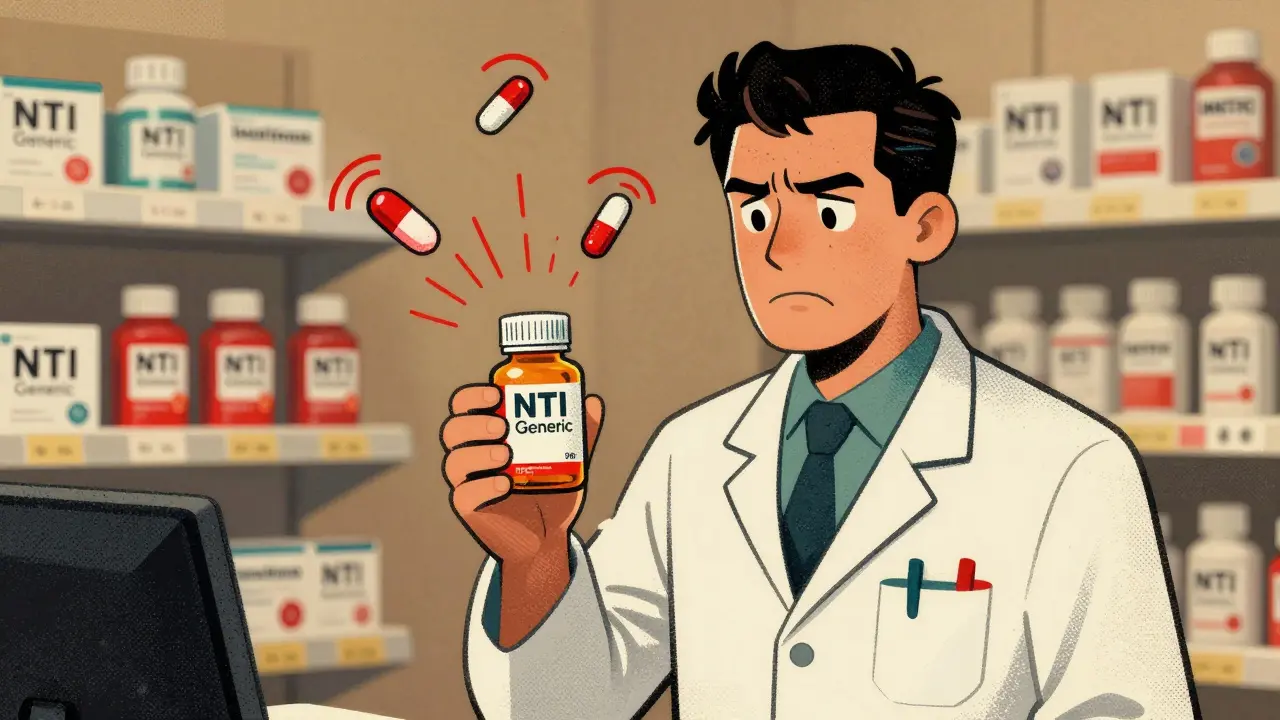
Pharmacists are raising alarms about NTI generics-medications like warfarin and levothyroxine where tiny changes in dosage can cause serious harm. Learn why substitution risks are higher, how state laws vary, and what you can do to stay safe.
View More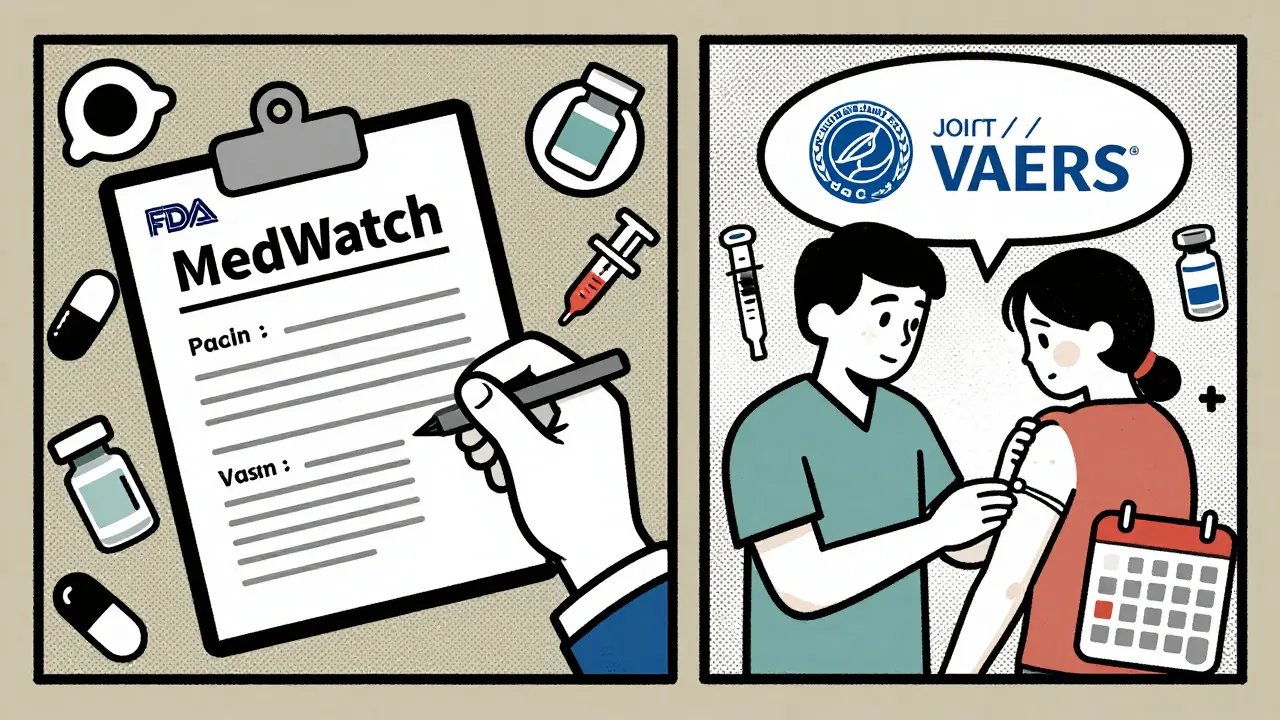
MedWatch and VAERS are two separate FDA systems for tracking side effects: MedWatch for drugs and devices, VAERS for vaccines. Learn how they work, their limitations, and how to report correctly.
View More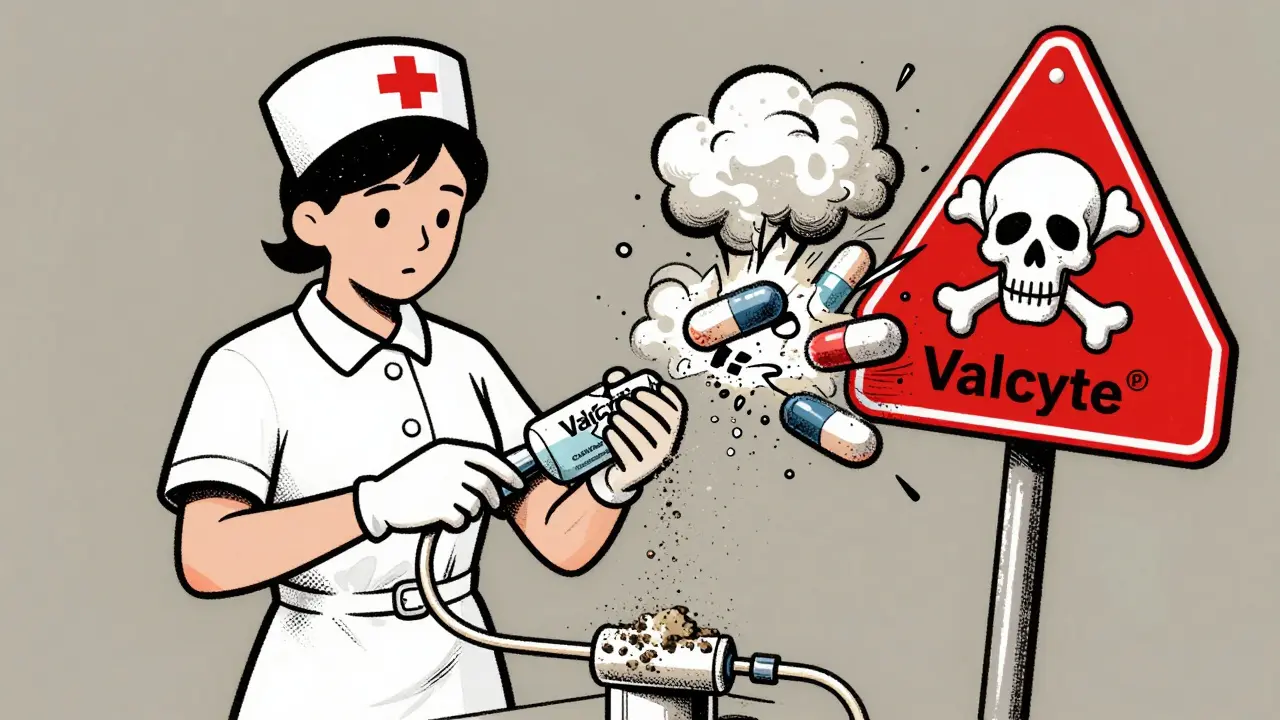
Learn how to safely administer medications through feeding tubes with proper flushing, tube compatibility checks, and dosing protocols. Avoid blockages, drug failures, and life-threatening errors with evidence-based practices.
View More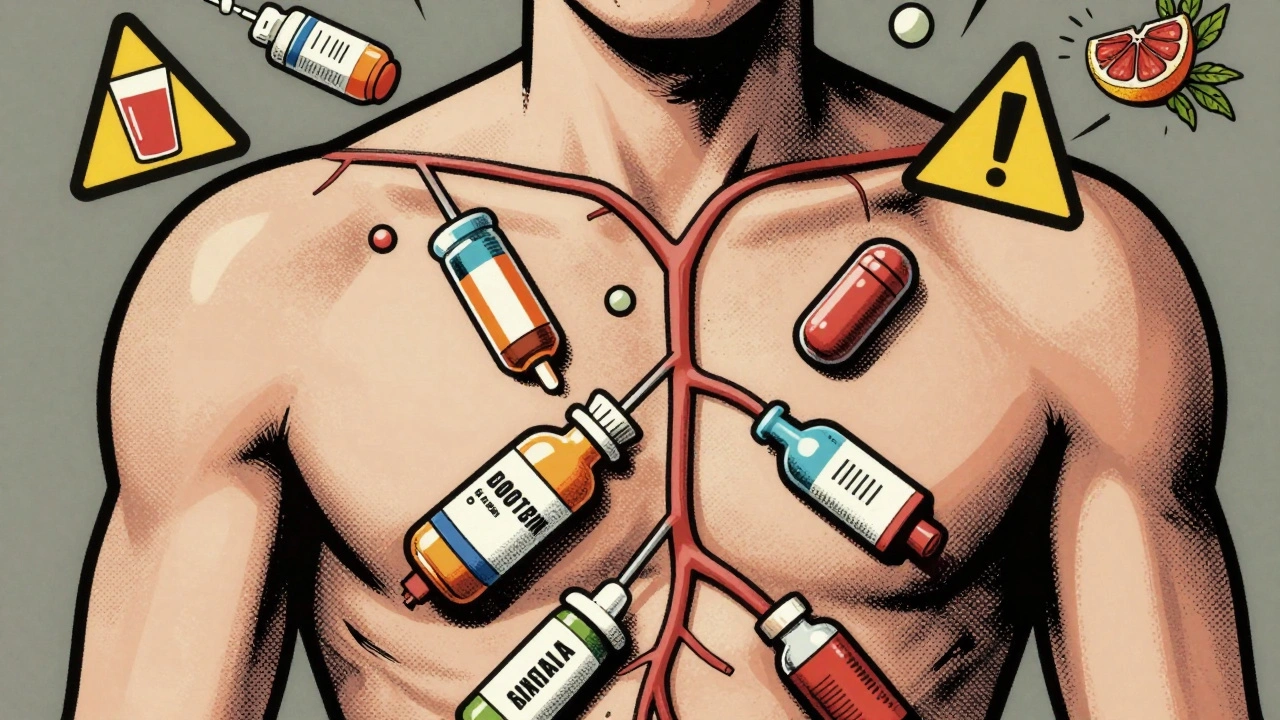
Chemotherapy remains a cornerstone of cancer treatment, but drug interactions can be dangerous. Learn how common medications, supplements, and foods affect chemo safety and effectiveness-and what you must do to protect your treatment.
View More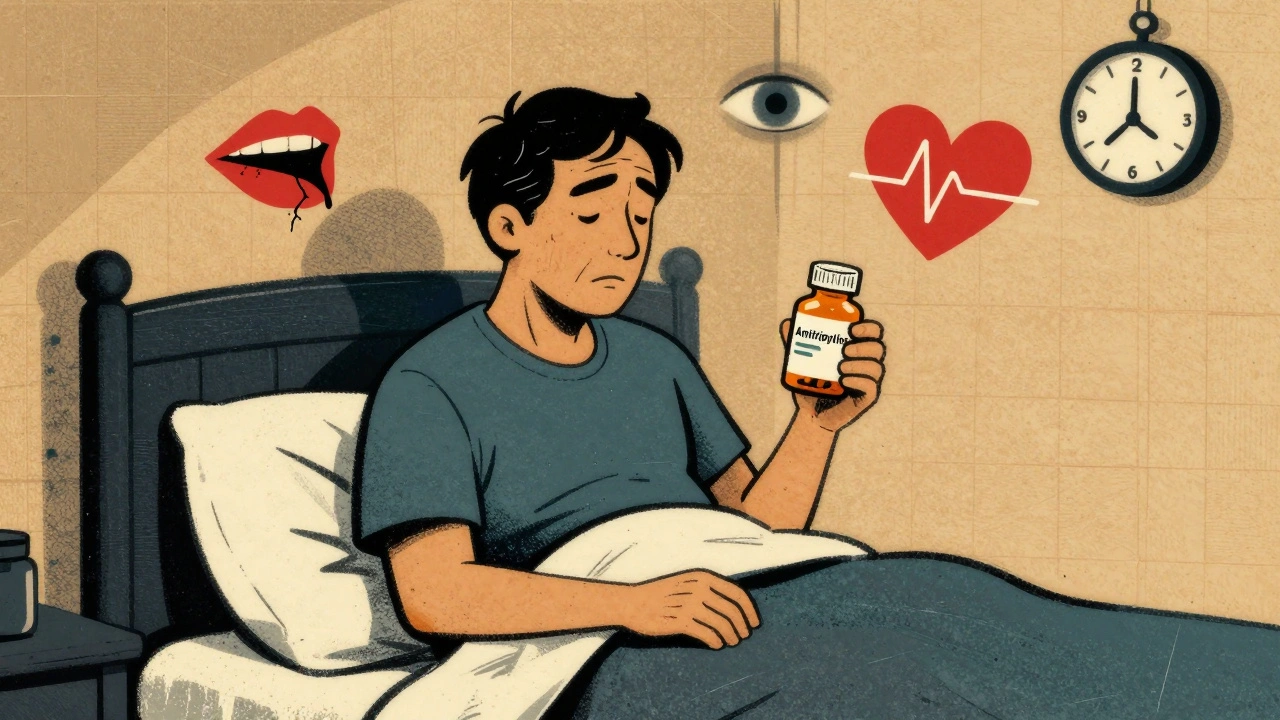
Amitriptyline and nortriptyline are still used for depression and nerve pain, but they come with serious side effects like dry mouth, dizziness, heart risks, and cognitive issues. Learn how they work, who should avoid them, and how to use them safely.
View More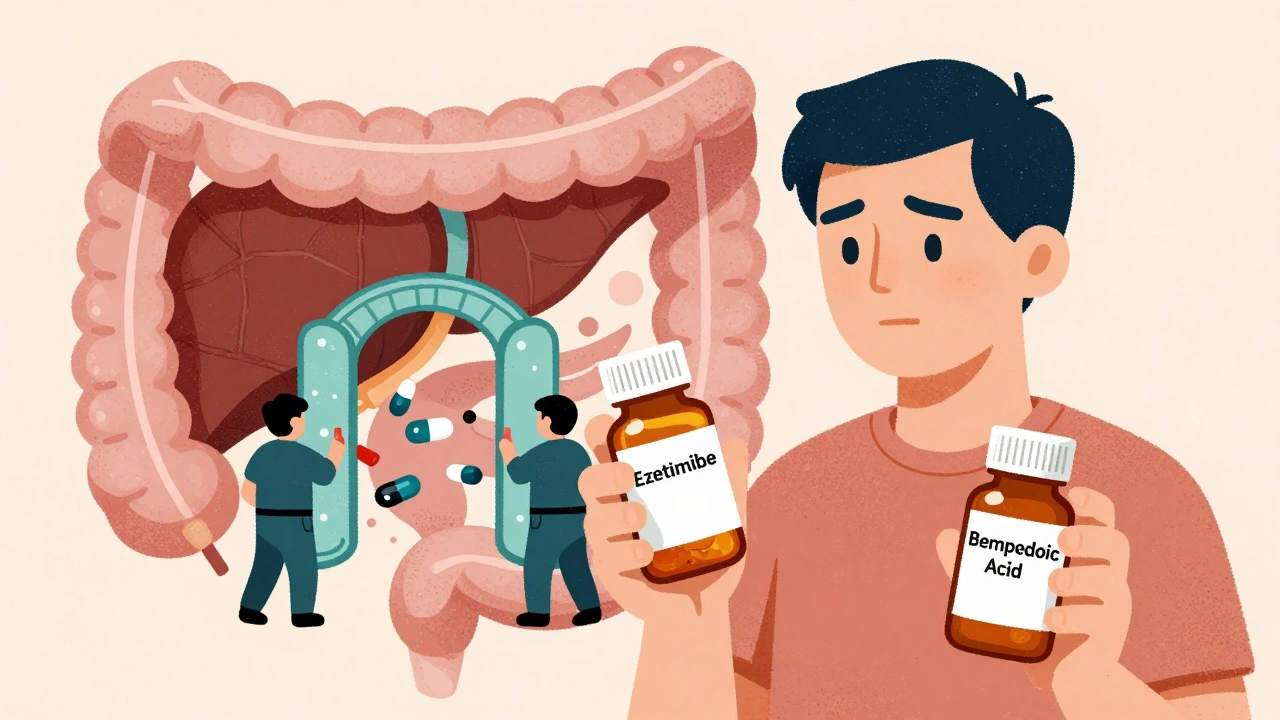
Ezetimibe and bempedoic acid are proven, non-statin options for lowering LDL cholesterol in people who can't tolerate statins. Both reduce heart risk, with ezetimibe being affordable and bempedoic acid offering proven cardiovascular benefits.
View More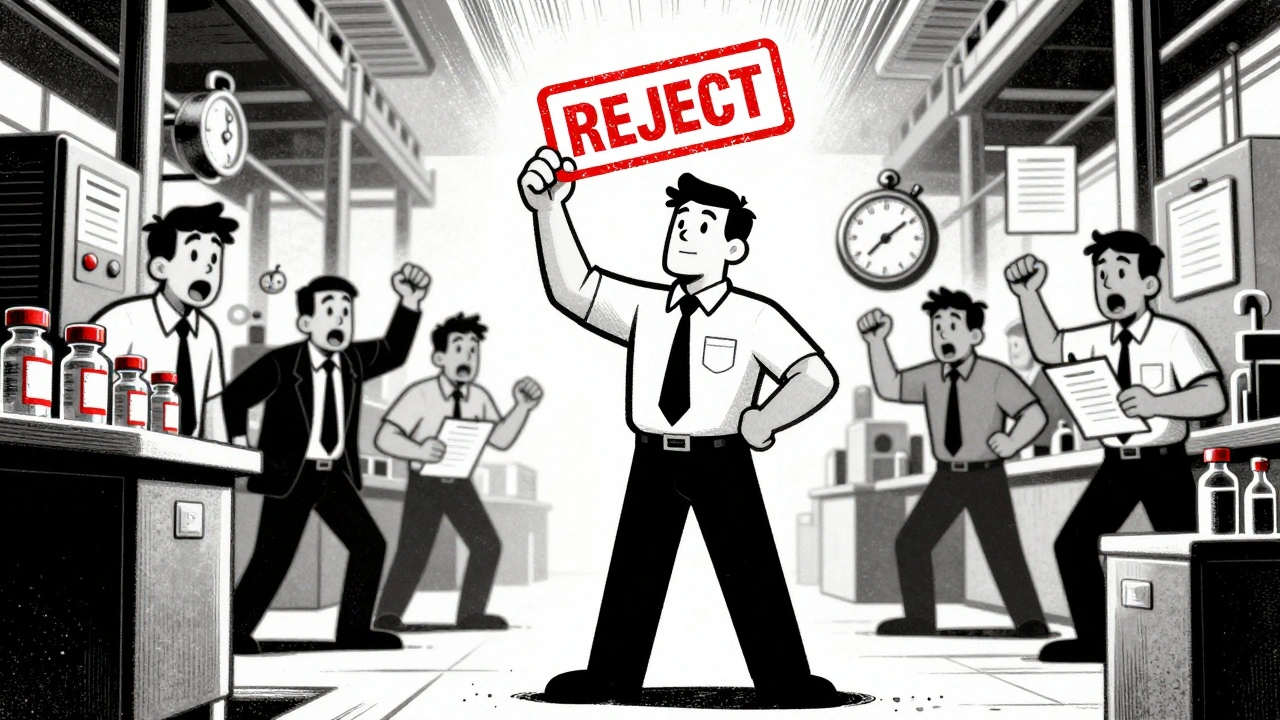
Quality assurance units must operate independently from production to ensure product safety and regulatory compliance. Learn why separation is legally required, how failures lead to recalls, and what it takes to build a truly independent quality system.
View More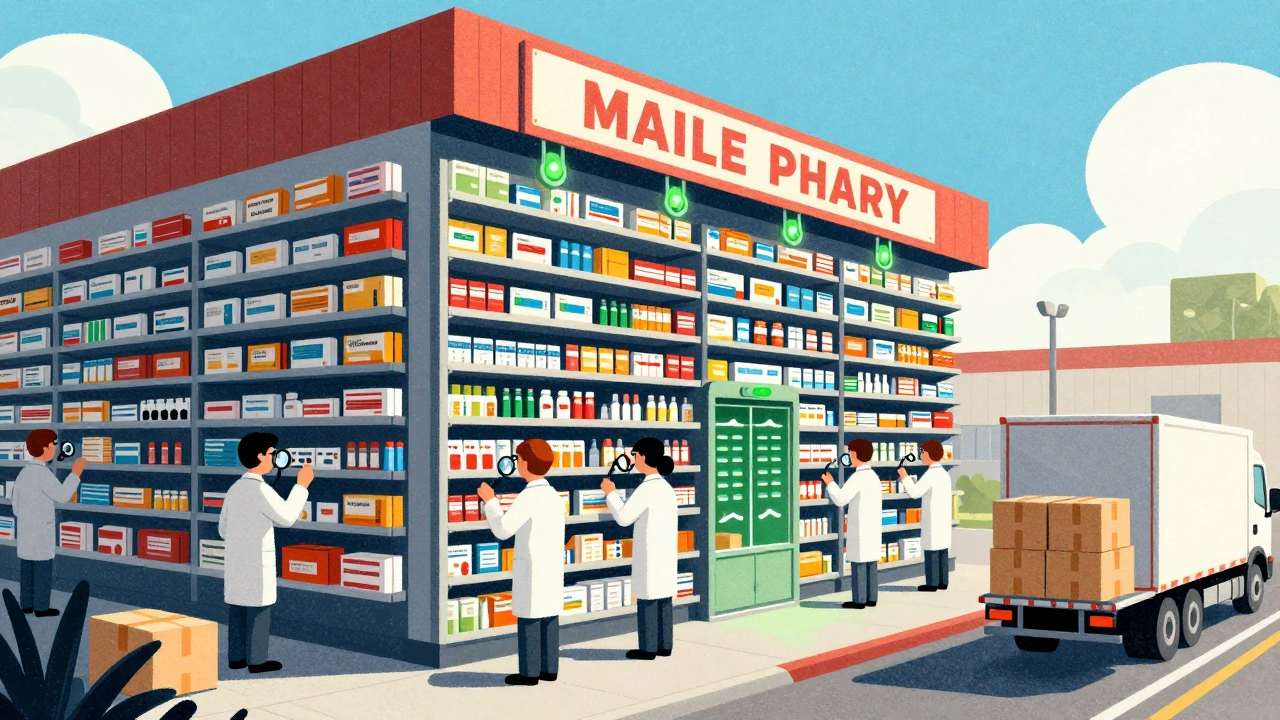
Mail-order pharmacies dispense 90% of all generic prescriptions in the U.S. with strict quality controls that often exceed retail standards. Learn how temperature tracking, packaging, and accreditation keep your meds safe-no matter how far they travel.
View More